Nasser Al-Adaili: Artificial intelligence provides information but is incapable of creating stories, narratives, and poetry.
Ahwal Al-Ma’rifa: Special
Writer and short-story author Nasser Mohammed Al-Adili emphasized that artificial intelligence has many fields and diverse applications in certain areas of life, such as food, travel, entertainment, and sports, but it remains limited when it comes to creating language, value, and content.
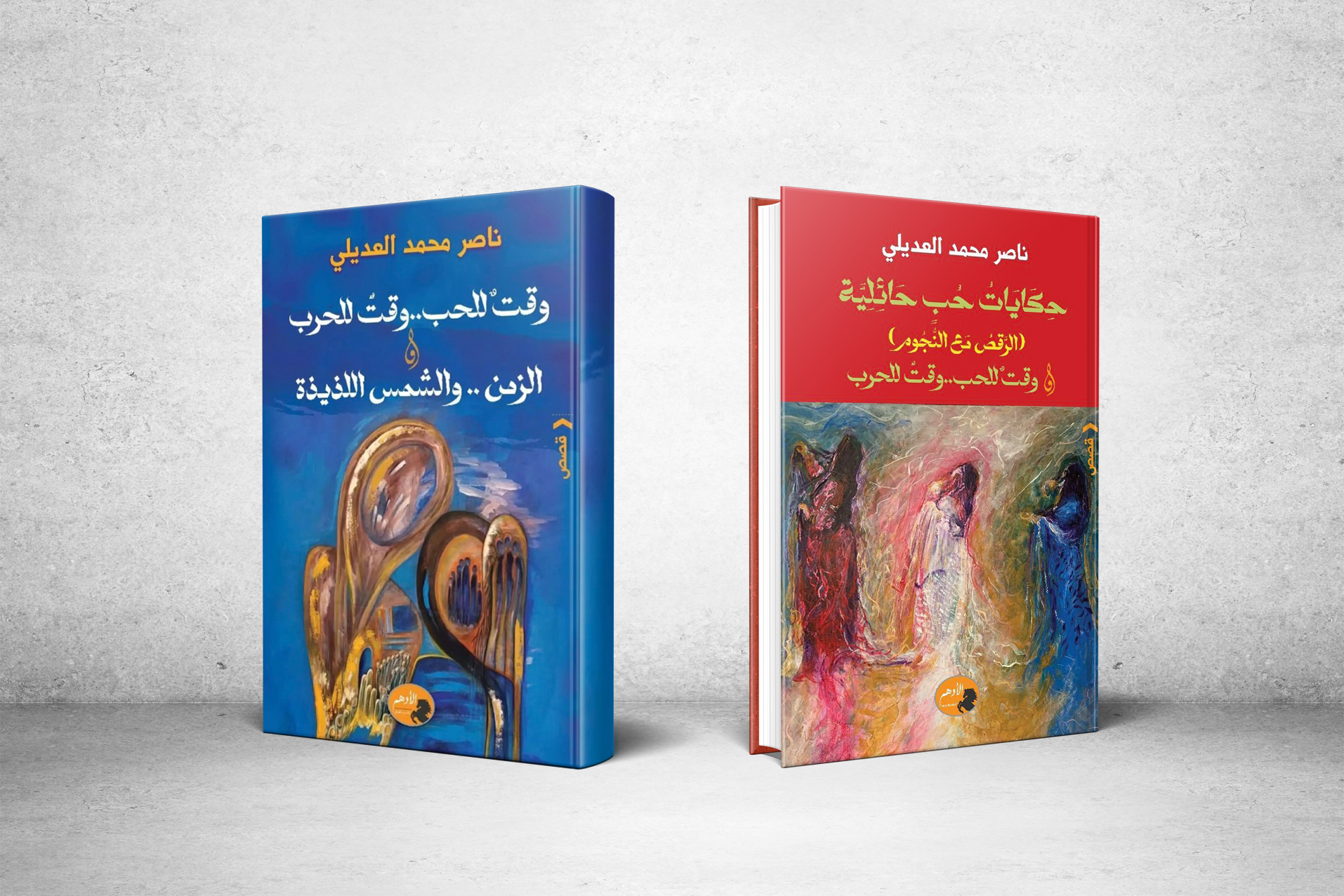
In an interview with “Ahwal Al-Ma’rifa” focusing on artificial intelligence and the writing experience, Al-Adili explained that, so far, artificial intelligence can provide us with information and globally available open databases, but he questions its ability to create, whether in articles, stories, narratives, or poetry. The author of the collections “Time and the Delicious Sun,” “A Time for Love… A Time for War,” and “Hail Love Stories” discussed several topics concerning the importance of artificial intelligence and the relationship between writers and creative professionals and this technology. Here is the interview:
What is your opinion of artificial intelligence technology and its relationship with creative writing?
Artificial intelligence is a new technological guest that has entered our devices and our lives through every door and window, with confidence and an obvious sense of challenge. It is an expected stage of technological development in light of the rapid technological changes. Like other writers, I welcomed it with both enthusiasm and caution, viewing it as an assisting technological companion in accomplishing certain tasks related to information and knowledge.
I once tried using it to write a short article for a study of three contemporary novels, and I found that it mixed up facts and information about these writers. Since then, I have become cautious about relying on it when it comes to important matters.
As for creative writing, I do not believe it can be relied upon because of its limited ability to innovate in language and content. However, it can help provide information easily, abundantly, diversely, and quickly, though not necessarily accurately or critically, so its information must be checked.
Despite the rapid access to information that characterizes artificial intelligence, why do you avoid it as a writer?
So far, artificial intelligence can provide us with information about what we need in certain areas of life, such as food, travel, entertainment, and sports. However, I doubt its ability to create, whether in articles, stories, narratives, or poetry. It is capable of providing diverse information from globally available open databases, but it remains limited in creating language, value, and content.
Artificial intelligence is a technology that lacks the language of literature, literary style, and the human capacity for innovation. It is rich in data and information and in building comprehensive knowledge for researchers, but it remains limited in intellectual, literary, and scientific creativity. It lacks creative vision and poetic language, at least at its current stage.
Could artificial intelligence eventually surpass the creative writer at some stage of the writing process?
In my estimation, when it comes to the creative imprint, a creative writer writes from his experiences, memories, emotions, positions, and worldview. Artificial intelligence, on the other hand, has no personal experience, life memories, or individual emotional response to events. Rather, it generates texts based on the linguistic patterns it has learned.
As for creative vision, a creative person offers a new lens through which to see the world or develops an unconventional style or idea, whereas artificial intelligence is generally skilled at recombining existing ideas and formulations. However, it does not live the experience that gives rise to an authentic artistic vision.
In terms of style, an accomplished writer possesses a style shaped over years of reading, experience, and intellectual development, until it becomes possible to recognize the writer through their lines. Artificial intelligence, by contrast, imitates multiple styles and will not be able to produce sound and convincing texts.
Does the same apply to the language of writing and its grammatical and morphological correctness?
When it comes to language, its correctness, and the strength of its composition, artificial intelligence is unable to fully achieve them. At times, it produces some good texts, but literary language is not merely grammatical correctness or superficial eloquence; rather, it involves the precise selection of words in a way that reflects the writer’s personality, emotional state, and aesthetic purpose.
As for artistic boldness and risk-taking, many enduring creative works have emerged from breaking with convention, experimentation, and taking risks. Artificial intelligence, on the other hand, naturally tends to produce relatively balanced and predictable texts because it relies on common patterns found in the data on which it was trained.