The Aesthetics of Heritage, Folk, and Natural Settings on Saudi Novel Covers
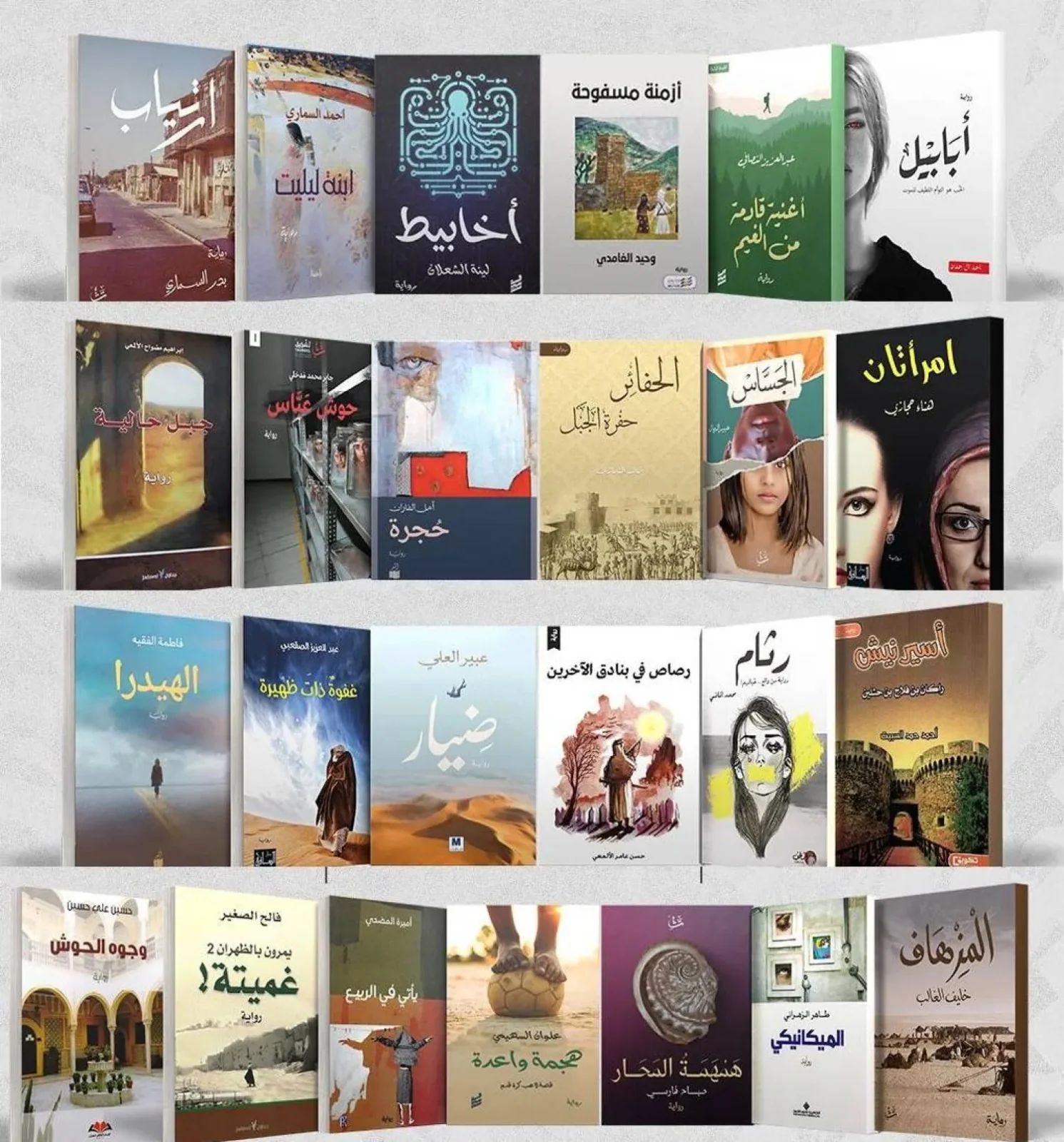
Even the most optimistic writers, critics, and novelists themselves did not anticipate the Saudi novel’s meteoric rise—both in terms of quantity and quality. In just thirty years, the number of Saudi novels surpassed the one-thousand mark, with authors from diverse generations taking up the craft. Some likened this surge to a "tsunami" at the dawn of the third millennium, as the publication rate exceeded fifty novels annually—an unprecedented figure in the history of Saudi literature—and this rate has increased significantly in recent years. Between 1930 and 2010, the total number of Saudi novels stood at 575; subsequently, the genre gave rise to numerous notable phenomena within the national, Arab, and global cultural landscapes. One such phenomenon is the artistic emphasis on utilizing locations in novel cover designs—incorporating fine art elements to transform the covers into distinctive textual thresholds that set Saudi novels apart, both domestically and internationally. Popular and Heritage Sites: In his novel *Saq al-Ghurab* (The Crow’s Leg), novelist Yahya Amqasim chose a mountainous landscape shaped like a crow’s leg—a vast mountainous region in southern Saudi Arabia extending from south of Taif, through the Asir Mountains (Dhahran, Abha, Khamis Mushait), to the Fayfa and Bani Malik mountains in the Jazan region—and adopted this name for the title, drawing inspiration from the unique, almost surreal nature of the location. Similarly, novelist Faleh Al-Saghir chose the name *Ghumayta* for the second part of his novel *Yamurrun bi-Dhahran* (They Pass Through Dhahran 2), while Abdullah Bakhit titled his novel *Shari’ al-Ataif* (Al-Ataif Street). Selecting specific locations to feature on Saudi novel covers has endowed them with distinct visual, temporal, and spatial identities; consequently, the artistic design of these covers has frequently relied on this phenomenon—incorporating not only the buildings themselves but also their diverse colors and tonal shades. Thus, Saudi landmarks—whether historical, traditional, or natural—serve as a fundamental element in the design of Saudi novel covers, as they document spatial identity and its evolution. Indeed, locations such as Makkah Al-Mukarramah, Al-Madinah Al-Munawwarah, Mada’in Salih, Al-Ula, the At-Turaif District in Diriyah, Historic Jeddah, Al-Masmak Palace, palm groves, mountains, the Al-Ahsa Oasis, the rock art of Hail, Dhi Ayn Fort, Tabuk Castle, and the old neighborhoods and traditional streets of Riyadh constitute a recurring artistic theme across a significant number of Saudi novel covers. Cover Design: The composition of a book cover typically comprises three distinct areas: the front cover, the spine, and the back cover. Until the early 20th century, writers and authors paid little attention to cover design, imagery, or artwork, often limiting the details to the author's name, the book title, and the name of the printing house. However, with the rise of publishing houses and the influence of Western literature, interest grew in incorporating illustrations, paintings, and photographs into cover designs. In Saudi fiction, this trend evolved into the use of evocative imagery that serves as an integral part of the novel’s narrative—both semantically and artistically. Consequently, expressive and artistic illustrations became widespread, highlighting the aesthetic appeal of cover design, while private publishing houses competed to produce distinctive covers. Saudi locations—particularly those reflecting traditional or folk heritage—became a key element of these designs; such settings might appear symbolically or serve as a backdrop for the cover art, aligning with novel titles such as *Al-Ataif Street*, *Specters of Abandoned Alleys*, *Romances of Al-Asha Street*, *Village Roof... City Bottom*, *Riyadh - November 90*, *Suspicion*, *Mount Haliyah*, *Al-Hafair: The Mountain Pit*, *Diyar*, *Al-Mazhaf*, *Faces of the Courtyard*, and others where place and its imagery define the artistic and visual character of the work. Notably, according to the *Dictionary of Saudi Writers* by Khalid Al-Yousef, there are 1,544 Saudi writers in total; of these, 400 are novelists—representing 25.9% of the group. This means that more than a quarter of the Kingdom's writers are novelists, a significant and remarkable proportion.