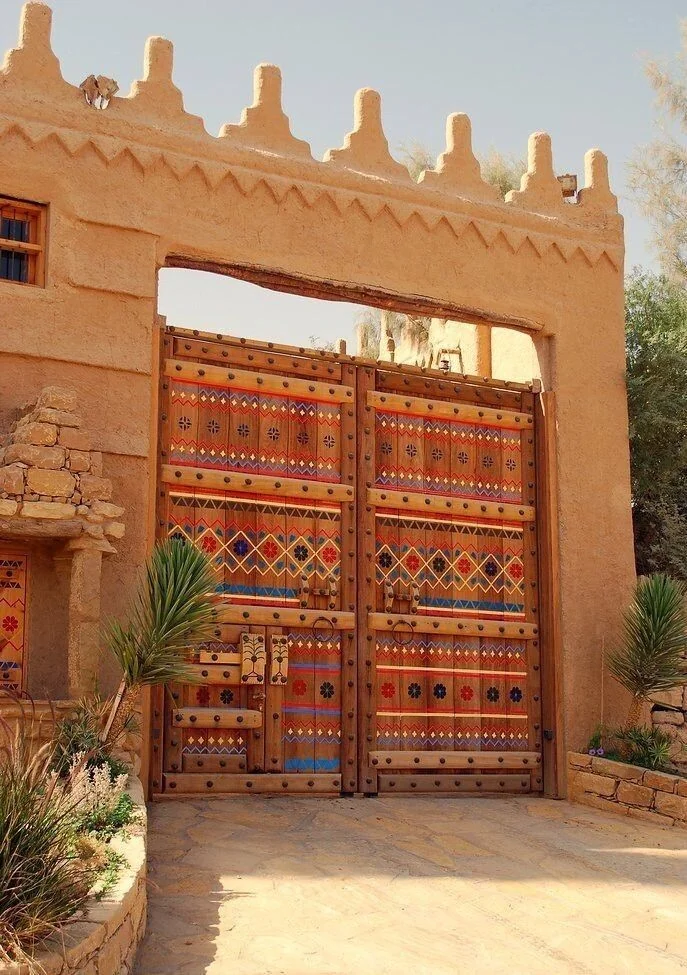
Encompassing elements of tangible and intangible heritage... transforming the cultural archive into the Saudi Cultural Memory Center.
Saudi Arabia’s cultural landscape is undergoing significant transformation and development at various levels, encompassing both contemporary culture and efforts to revisit, renew, and engage with the country’s heritage and its diverse elements. Since establishing its various cultural commissions and organizations covering literature, translation, cinema, theater, heritage, fashion, culinary arts, and other aspects of Saudi culture, the Saudi Ministry of Culture has undertaken extensive efforts through a wide range of publications and cultural events. These initiatives reaffirm Saudi cultural identity and are guided by the objectives of Saudi Vision 2030.
Saudi national memory represents the Kingdom’s historical and cultural heritage and has received broad institutional attention aimed at preserving it through scholarly, research-based, historical, and social efforts, ensuring its enduring place in collective memory. This heritage is reflected in traditional culture, folk arts, handicrafts, and traditional architectural styles, all of which continue to inspire efforts to preserve the country’s cultural heritage. Numerous institutions across the Kingdom are dedicated to this mission, including the King Abdulaziz Public Library, the King Abdulaziz Foundation, the King Fahd National Library, and Ithra.
These major cultural institutions serve as prominent historical references, providing documentary archives, research initiatives, and digital services for scholars and researchers. Saudi national memory is also closely connected to the country's observance of Founding Day on February 22 each year, commemorating the establishment of the First Saudi State in 1139 AH / 1727 CE. The occasion has become a central pillar of Saudi identity and historical memory, as well as an important means of preserving cultural heritage. This memory encompasses both tangible and intangible heritage, including folk traditions, poetry, and proverbs that embody authentic Saudi identity. It also includes the celebration of Saudi National Day on September 23 each year, commemorating the unification and establishment of the Kingdom of Saudi Arabia in 1932.
Renewing Cultural Memory:
As part of efforts to strengthen national memory in practical terms, the Saudi Council of Ministers approved the transformation of the organizational unit within the Ministry of Culture formerly known as the "Cultural Archive" into a non-independent center called the "Saudi Cultural Memory Center," in accordance with its organizational arrangements. His Highness Prince Badr bin Abdullah bin Farhan, Minister of Culture, expressed his gratitude and appreciation to the Custodian of the Two Holy Mosques, King Salman bin Abdulaziz, and to Crown Prince Mohammed bin Salman, Prime Minister, following the Council's approval of the transformation. He praised the leadership's unwavering support for the cultural sector and its efforts to preserve the nation's heritage.
The Minister of Culture emphasized that this step represents a major milestone in the center’s development. The center will oversee a range of key cultural mechanisms and functions, including organizing and supervising the inventory and documentation sector; managing the unified National Cultural Memory Platform; advancing digital archiving; building institutional and professional capacities; and ensuring the long-term sustainability of preservation and digital access. It will also connect the center and its services with relevant entities within the Kingdom’s cultural heritage ecosystem, providing stronger long-term protection for Saudi cultural heritage through a unified framework. These efforts are aligned with Saudi Vision 2030 and its focus on heritage, culture, and the arts. They also seek to strengthen public awareness of the value of cultural heritage, consolidate cultural data and information under a single umbrella, establish unified and clearly defined standards, and enable specialists to access reliable heritage information.
A Technological Ecosystem
The center forms part of the Ministry of Culture’s broader efforts to develop the cultural sector and preserve and protect cultural heritage. These efforts include developing innovative national models for preserving and presenting cultural content, diversifying and integrating sources of national memory, encouraging community participation, and building an advanced technological ecosystem capable of safeguarding Saudi cultural heritage and making it accessible to the public. These initiatives support the objectives of the National Culture Strategy, whose progress is monitored annually through the Cultural State Reports issued by the Ministry of Culture. The reports document a wide range of cultural activities, events, and programs designed, on the one hand, to showcase Saudi culture to the world and, on the other, to strengthen efforts to preserve the country's diverse heritage and ensure its enduring presence in the nation's collective memory.