
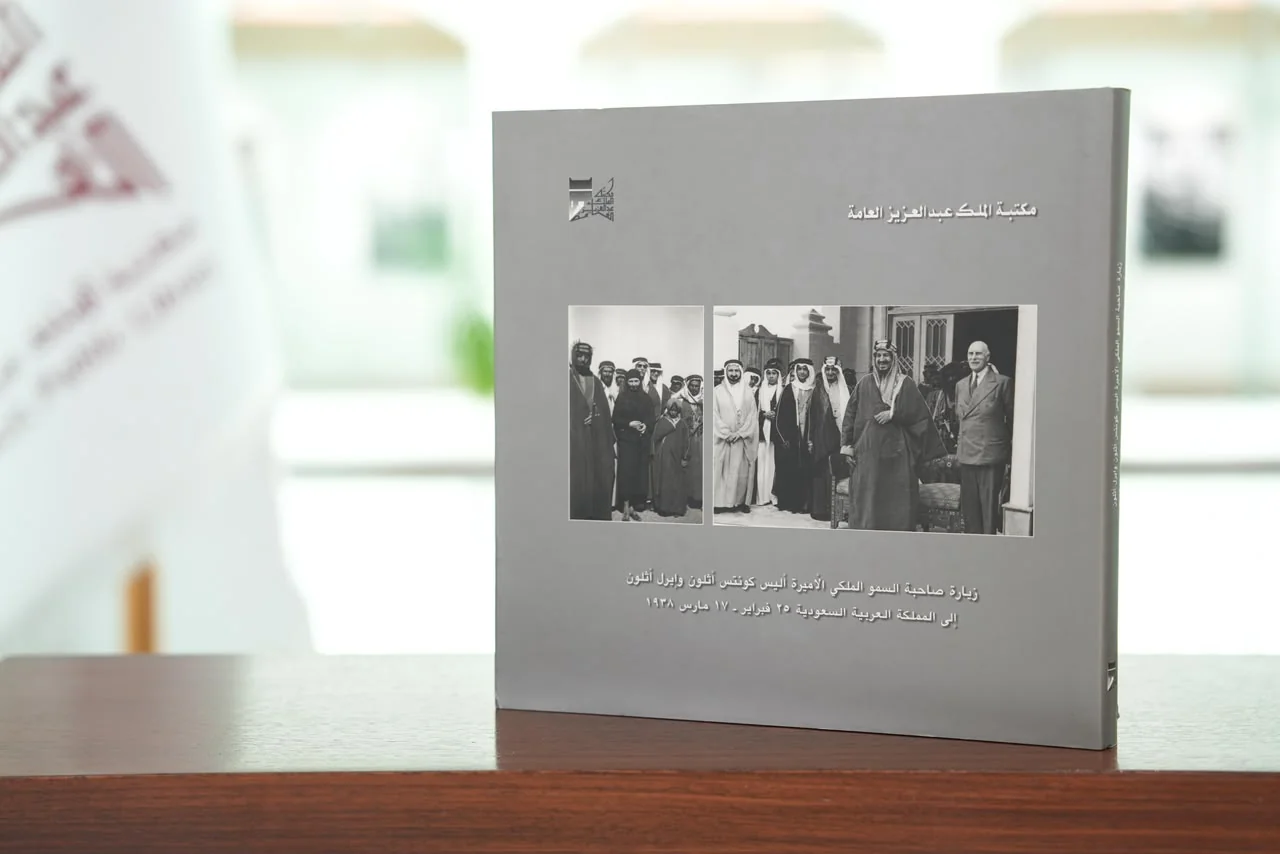
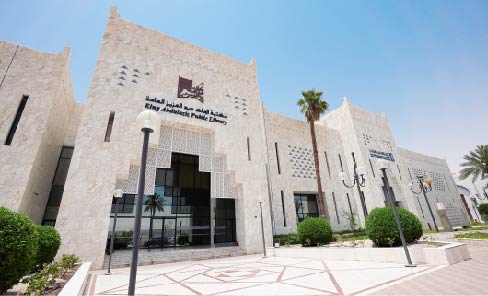
The King Abdulaziz Public Library leads the revival of travel literature and documents the history of the Arabian Peninsula and the Kingdom.
The numerous translations undertaken by the King Abdulaziz Public Library through its translated book publications over recent decades have created what may be described as a body of international travel literature about the Arabian Peninsula and the Kingdom of Saudi Arabia, both before the Kingdom’s unification in 1932 and after its establishment. Among the library’s notable cultural achievements is the translation of 20 books by Western, European, and American travelers, as well as travelers from India and Japan. These travelers documented their journeys to and visits throughout the Arabian Peninsula, exploring the cradle of the Arab and Islamic worlds in Makkah and Madinah. Their works have contributed to establishing a body of international travel literature that enables researchers and scholars to examine the writing styles of travelers and visitors, the literary and artistic techniques they employed in recording their diaries and journeys, and the prominent places they visited, explored, and were influenced by.
Among the travelers who journeyed through the Arabian Peninsula and the Kingdom were historians, archaeological researchers, and internationally renowned photographers. The library has translated their writings or works written about them, including William Facey (United Kingdom), R. E. Cheesman (United Kingdom), Yves Besson (Switzerland), Takeshi Suzuki (Japan), Prince A. G. Sherbatov and Count S. A. Stroganov (Russia), Leopold Weiss (Muhammad Asad) (Austria), Elizabeth Monroe (United Kingdom), Dr. Majid Khan (Pakistan), St. John Philby (United Kingdom), Masud Alam Nadwi (Pakistan), Thierry Mauger (France), George Rentz (United States), Heinz Gaube (Germany), Günter Schweizer (Germany), Umberto de Silveira (Brazil), Albrecht Zieme (Germany), Ahmad Mirza (India), Lady Evelyn Cobbold (United Kingdom), and Princess Alice, Countess of Athlone (United Kingdom).
Knowledge Horizons:
The translated books explore the history of the Kingdom and its stages of development, as well as the history, customs, and traditions of the Arabian Peninsula. These journeys span a period from the 16th to the 20th centuries CE, and their authors came from various European and Eastern countries. Among the most notable works translated by the library as part of its effort to establish an international body of travel literature on the Arabian Peninsula and the Kingdom is "Months in the Lands of the Arabs," written by the scholar Masud Alam and translated and annotated by Dr. Samir Nouh. The book sheds light on an important period in the history of the Kingdom of Saudi Arabia from cultural and economic perspectives. The author vividly recounts his days in Riyadh and his meetings with scholars and sheikhs, before describing his meeting with King Abdulaziz, may he rest in peace, as well as the city of Riyadh and its educational life. He also recounts King Abdulaziz’s meetings with scholars in Makkah. The author expresses his great admiration for King Abdulaziz’s personality and style of governance, his manner of treating members of his entourage and companions, and his concern for the welfare of those in need among his subjects.
The book "A Japanese in Makkah," written by Takeshi Suzuki and translated by Dr. Samir Nouh and Sara Takahashi, reveals lesser-known aspects of Japanese travel literature and presents a unique literary style. Its author, a Japanese Muslim, was able to express his feelings with precision. He wrote about Islam and its principles, then about the journey itself and the circumstances that prompted him to undertake it, focusing on geographical, social, cultural, economic, and urban aspects. He describes his journey to Makkah by sea, traveling from Japan to Egypt through the Suez Canal before arriving in the Kingdom of Saudi Arabia and performing the Hajj rituals. In a separate chapter, he also describes his meeting with King Abdulaziz, may he rest in peace.
In the book "The Road to Mecca," translated by Dr. Rifaat Al-Sayyid Ali, Muhammad Asad, the author, emerges as one of the most prominent Western figures to embrace Islam during the 20th century and leave a significant mark on Arab, Islamic, and European culture. The book presents his autobiographical journey, beginning when he left the Western world, proud of its customs and traditions, after being sent by a Western newspaper to the East to report on the region in general.
Journeys and Inscriptions:
Among the important books addressing aspects of Saudi history is "In Unknown Arabia," written by R. E. Cheesman, as well as "Philby of Arabia," written by Elizabeth Monroe.
The book "The Arabian Peninsula in the Writings of Western Travelers Over One Hundred Years," by Albrecht Zieme, provides a panoramic view of the journeys undertaken by Western travelers. It reviews what German and other travelers wrote about the Arabian Peninsula during the 17th and 18th centuries, including their descriptions of geographical locations and historical events. The author devotes a substantial portion of the book to the geography and history of central and northern Arabia, commenting on the most significant observations they recorded about the geography of the countries they visited, their social conditions, and prevailing customs and traditions.
The book "Pilgrimage to Mecca," published by the library in English by Lady Evelyn Cobbold before being translated into Arabic, includes an extensive introduction to the author’s life, Muslims in the United Kingdom, the reform movement in the Arabian Peninsula, and King Abdulaziz, may he rest in peace. It also recounts the journey of the first European Muslim woman to travel to Makkah to perform the Hajj pilgrimage in 1934. The book holds considerable scholarly, historical, and literary value as it documents an important period in the history of the Kingdom of Saudi Arabia.
The book "Arabia: Garden of Painters," by Thierry Mauger, presents a visual perspective on the journeys and experiences of Western travelers and visitors. The book embodies the true aesthetic and folkloric value of the environment of southern Saudi Arabia and highlights the region’s rich cultural diversity. It is filled with color photographs taken by a professional photographer who traveled throughout the regions and provinces of the Kingdom and lived among its people. Through these experiences, he formed strong relationships and friendships with local residents. The author highlights the remarkable tradition of colorful wall and floor paintings created by women and children in the Asir region. He devoted himself to introducing readers to this little-known and rare art form, particularly the art of wall painting known as "Al-Qatt," of which many readers outside the Kingdom had previously known very little.
Regarding the founding King, Abdulaziz Al Saud, may he rest in peace, the book "Ibn Saud: King of the Desert," written by Yves Besson, focuses on the personality of King Abdulaziz Al Saud, whose character has long captured the attention of Arab and foreign observers. The book examines his distinctive political thinking, military acumen, and foresight in anticipating future developments. The analytical approach adopted by the author is particularly notable for its depth. He discusses each decision made by King Abdulaziz, beginning with his entry into Riyadh and ending with the proclamation of the Kingdom of Saudi Arabia in 1351 AH / 1932 CE. The author emphasizes that through his civilizational achievements, King Abdulaziz was not merely a military leader whose battles ended with victory and then faded from history; rather, he represented a unique case of political thought and military wisdom.
Regarding the visit of Her Royal Highness Princess Alice, Countess of Athlone, to the Kingdom of Saudi Arabia, the library has published an illustrated book containing a rich collection of rare photographs taken by Princess Alice, the granddaughter of Queen Victoria, during her exploratory journey to the Kingdom with her husband at the end of 1357 AH. This was considered the first visit by a member of the British and European royal families to the Kingdom at that time. The book contains more than 320 black-and-white photographs, along with additional color photographs taken by another photographer, which are believed to be among the first color photographs ever taken in the Kingdom of Saudi Arabia. The library makes these photographs available to readers to highlight the remarkable civilizational progress witnessed by the Kingdom within a relatively short period.



Latest New's
View AllStay informed with the latest updates, announcements, and developments from KAPL.
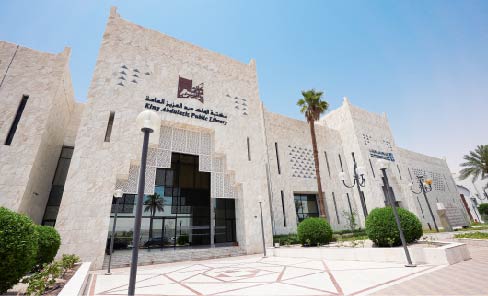
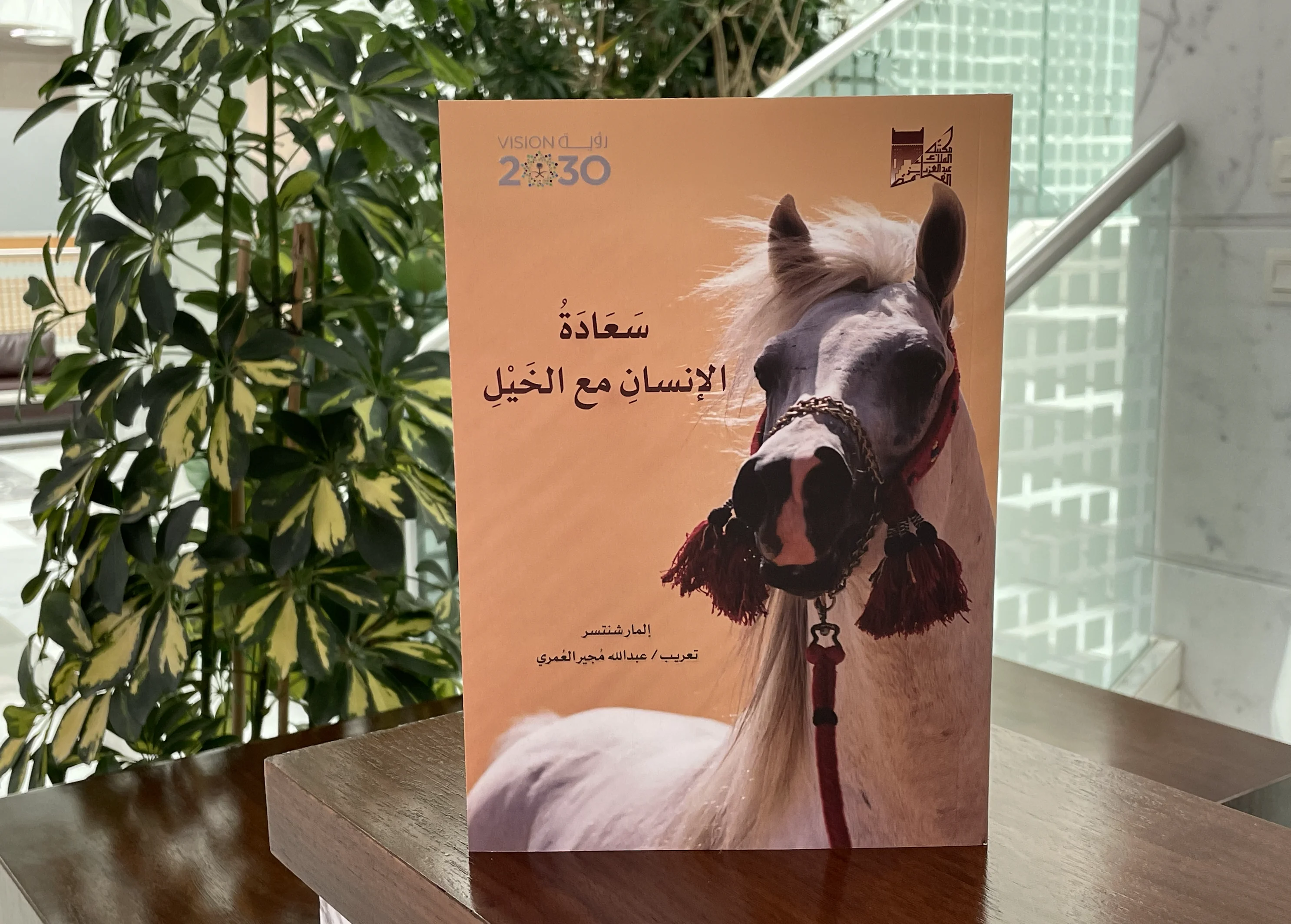
On World Horse Day, the King Abdulaziz Public Library highlights its efforts to document Arabian horse heritage.
On World Horse Day, the King Abdulaziz Public Library highlights its efforts to document Arabian horse heritage.
Read More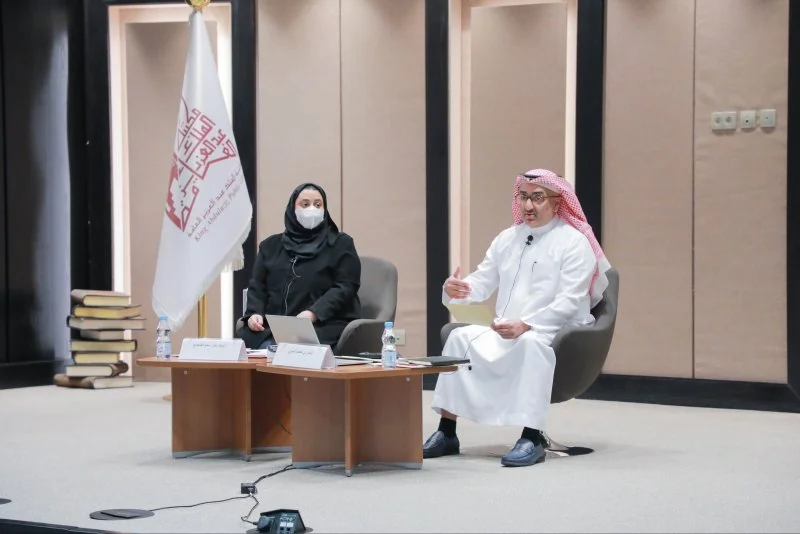
Bandar Al-Harbi discusses transforming events into a national story in a lecture at the King Abdulaziz Library.
Bandar Al-Harbi discusses transforming events into a national story in a lecture at the King Abdulaziz Library.
Read More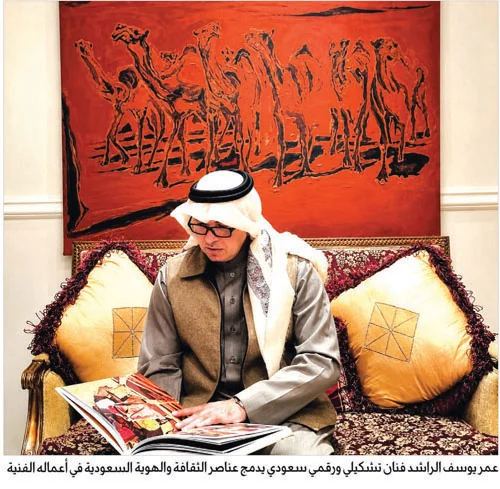
When Camels Become a Language of Beauty... King Abdulaziz Library Explores the Desert’s Memory Through Saudi Art
When Camels Become a Language of Beauty... King Abdulaziz Library Explores the Desert’s Memory Through Saudi Art
Read More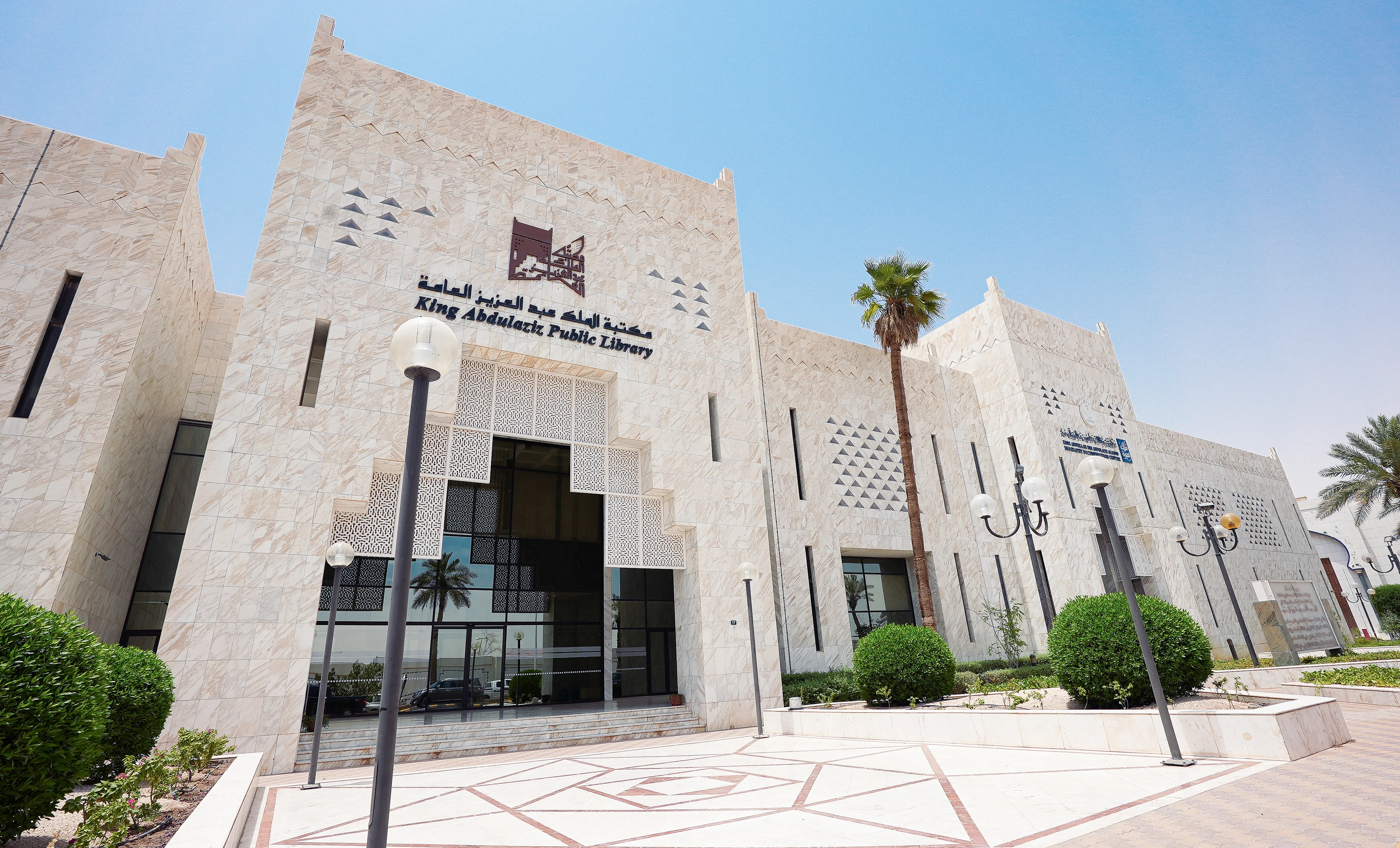
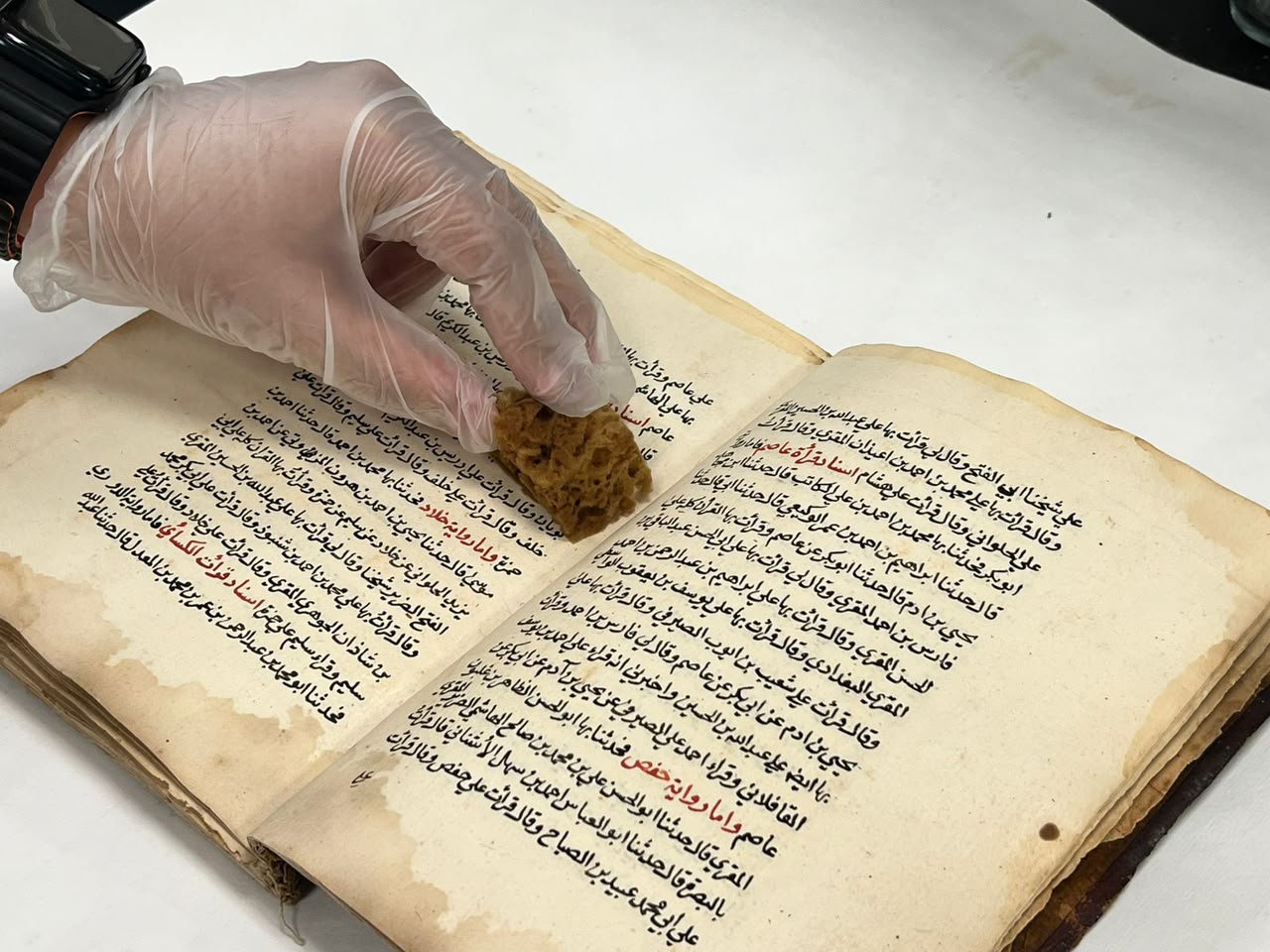
With over 218,000 diverse items, the King Abdulaziz Public Library preserves heritage and renews the national memory.
With over 218,000 diverse items, the King Abdulaziz Public Library preserves heritage and renews the national memory.
Read MoreThe King Abdulaziz Public Library leads the revival of travel literature and documents the history of the Arabian Peninsula and the Kingdom.
The King Abdulaziz Public Library leads the revival of travel literature and documents the history of the Arabian Peninsula and the Kingdom.
Read More
