
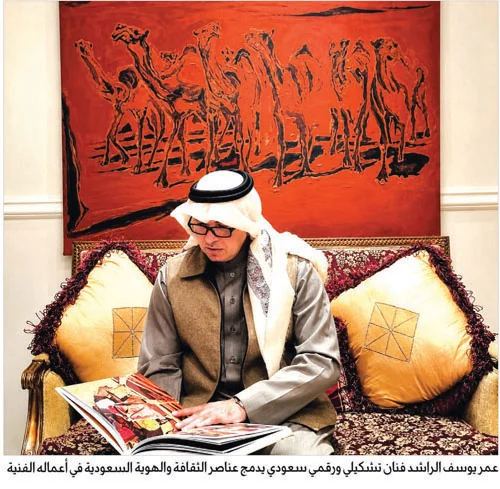
When Camels Become a Language of Beauty... King Abdulaziz Library Explores the Desert’s Memory Through Saudi Art
In Saudi culture, camels do not live only in the desert; they also reside in memory, poetry, and the collective consciousness. They are not merely creatures associated with the history of the Arabian Peninsula, but a civilizational symbol that has accompanied people throughout their long journey with the land, carrying with them stories of travel, patience, and survival. Over time, their image has become part of a cultural identity that continues to evolve across generations.
Drawing on this rich heritage, the King Abdulaziz Public Library, as part of its 2026 cultural program, is celebrating World Camel Day with a workshop titled "Camels in Art: Between Abstraction and Realism," presented by Saudi visual artist Omar Yousef Al-Rashed on the evening of Saturday, June 27, at the Services Branch and Reading Halls in Khurais.
The workshop seeks to examine camels beyond the framework of traditional heritage and explore them as one of the most significant visual symbols that have inspired artists, writers, and poets throughout history. Long known as the "ship of the desert," camels were not merely a means of transportation or a source of livelihood; over time, they evolved into a cultural and aesthetic symbol reflecting the Saudi people's relationship with their environment, values, and history.
The workshop explores the presence of camels in works of art as a source of inspiration and examines the philosophy of beauty associated with perspective, composition, and space within a painting. It also considers the relationship between color, light, and shadow, and how an artist can strike a balance between realism, which preserves the details of a scene, and abstraction, which opens the door to interpretation and imagination.
This perspective is presented by visual artist Omar Yousef Al-Rashed, whose artistic experience has been closely connected to interpreting the Saudi landscape and transforming its cultural elements into a contemporary visual language. His works repeatedly feature the vocabulary of the Najd desert, traditional Bedouin tents, camels, and historic architecture—not as static heritage subjects, but as living symbols that carry the memory of the place and the spirit of its people.
Al-Rashed believes that art does not begin with the eye alone, but with deep contemplation of meaning. Therefore, he does not approach a painting merely as an image to be viewed, but as a visual text that can be read like a novel or listened to like a piece of music. Every color in the painting has its own significance, every space has its own silence, and every line tells a story that extends beyond the boundaries of form into realms of emotion and memory.
From this perspective, camels appear in his works not merely as elements of the desert environment, but as symbols of beauty, patience, dignity, and connection to the land. In the Saudi imagination, they represent far more than a historical animal; they are a concentrated image of the relationship between people and place, and a witness to a culture shaped over centuries through interaction with the desert and its transformations.
This perspective aligns with the prominent place camels occupy in national culture, having long been present in Arabic poetry, popular proverbs, and oral narratives before moving into the realms of visual art, photography, and contemporary artistic expression. Camels have thus become one of the most powerful symbols for expressing Saudi identity and evoking its cultural characteristics through modern visual discourse. The organization of this workshop takes on particular significance as it coincides with World Camel Day, observed annually on June 22, as an international occasion celebrating the civilizational, cultural, and economic role camels have played in the lives of peoples. In Saudi Arabia, camels represent one of the pillars of national memory and remain an integral part of efforts to preserve heritage, shape cultural identity, and raise awareness of local traditions.
At its core, this workshop appears to be less a lesson in painting than an invitation to reflect on one of the symbols most deeply embedded in the Saudi narrative. When camels move from the space of the desert into the space of the canvas, they do not lose their original meaning; rather, they acquire new meanings that enable them to transcend time—from the lives of ancestors to the imagination of artists, and from collective memory to contemporary creative expression.
In this way, camels transform from creatures that once accompanied caravans on their ancient journeys into an evolving aesthetic and cultural idea, reaffirming that a living identity is not merely what is preserved in museums, but what continues to inspire art, generate meaning, and create beauty.



Latest New's
View AllStay informed with the latest updates, announcements, and developments from KAPL.
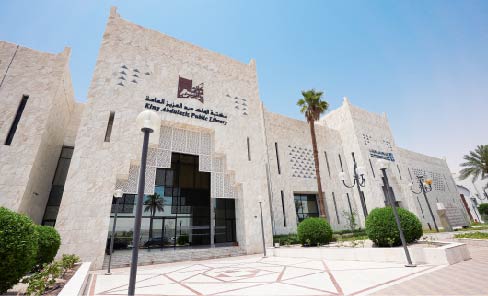
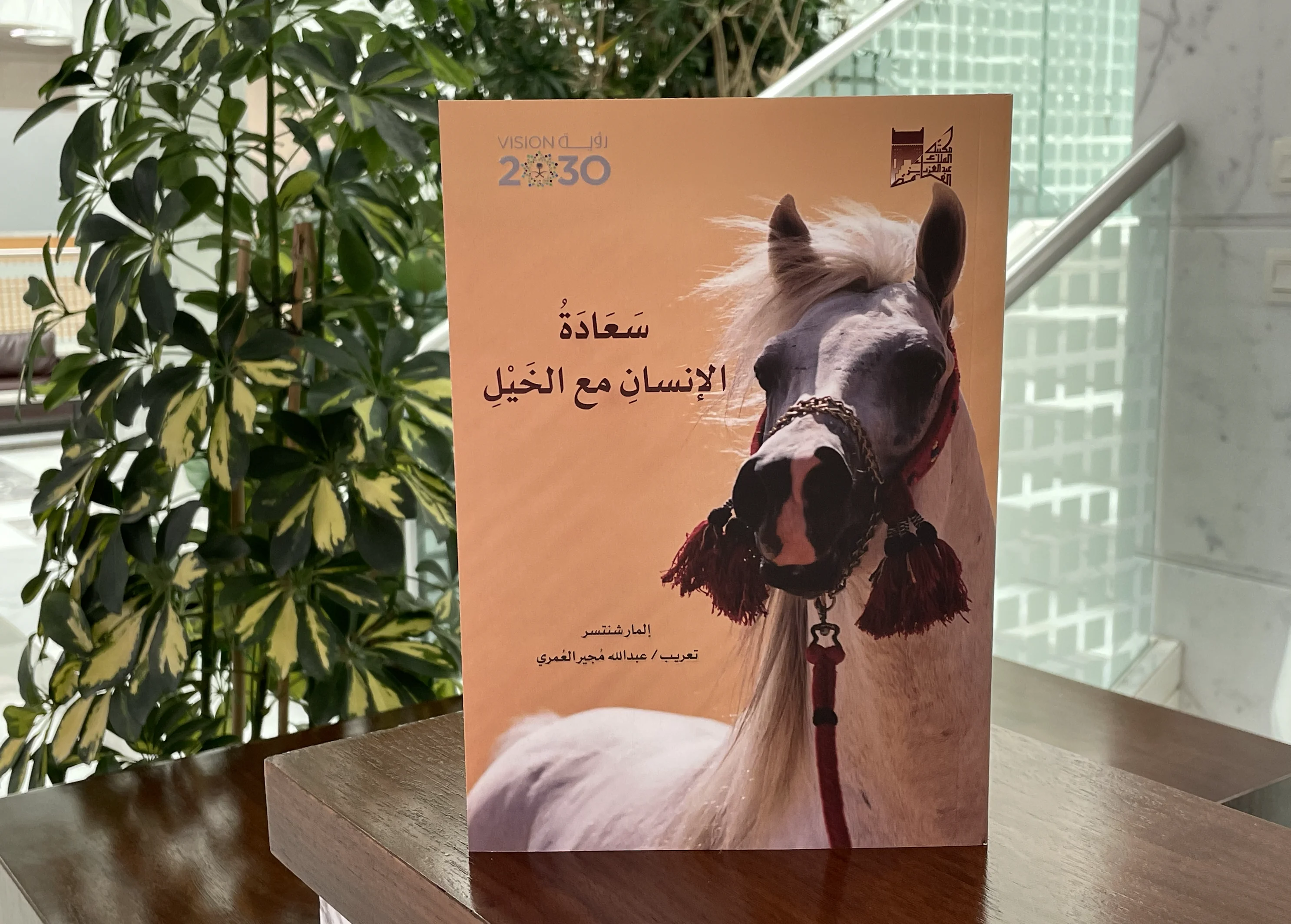
On World Horse Day, the King Abdulaziz Public Library highlights its efforts to document Arabian horse heritage.
On World Horse Day, the King Abdulaziz Public Library highlights its efforts to document Arabian horse heritage.
Read More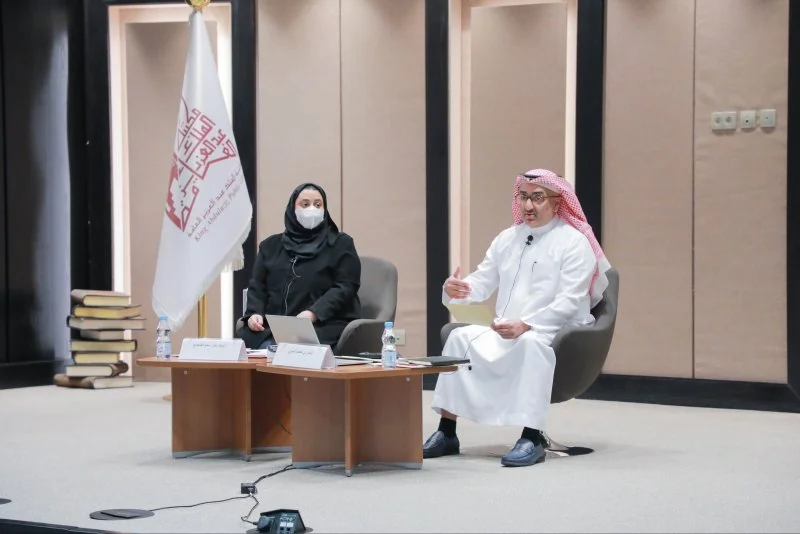
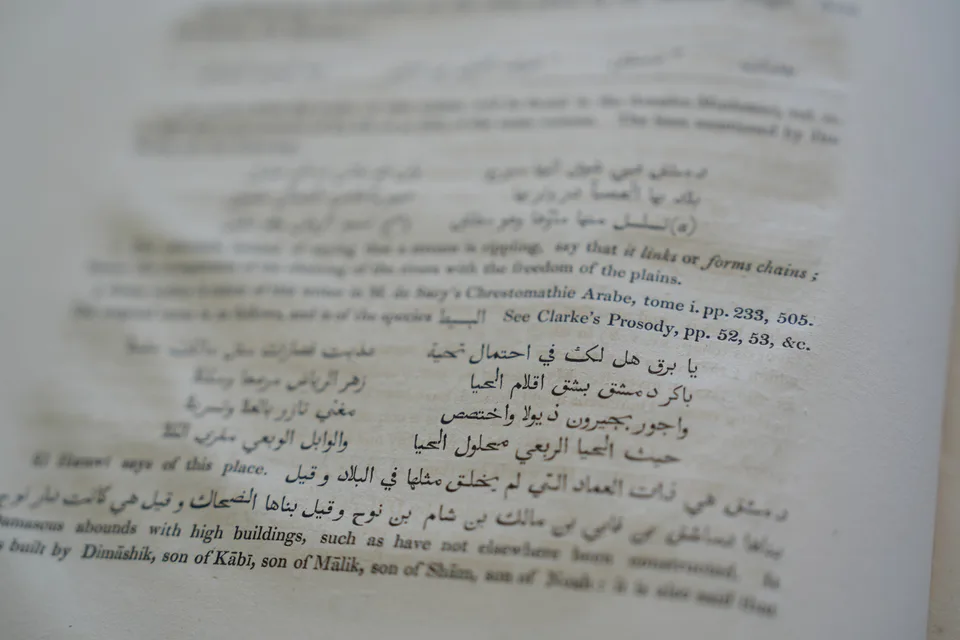
Bandar Al-Harbi discusses transforming events into a national story in a lecture at the King Abdulaziz Library.
Bandar Al-Harbi discusses transforming events into a national story in a lecture at the King Abdulaziz Library.
Read MoreWhen Camels Become a Language of Beauty... King Abdulaziz Library Explores the Desert’s Memory Through Saudi Art
When Camels Become a Language of Beauty... King Abdulaziz Library Explores the Desert’s Memory Through Saudi Art
Read More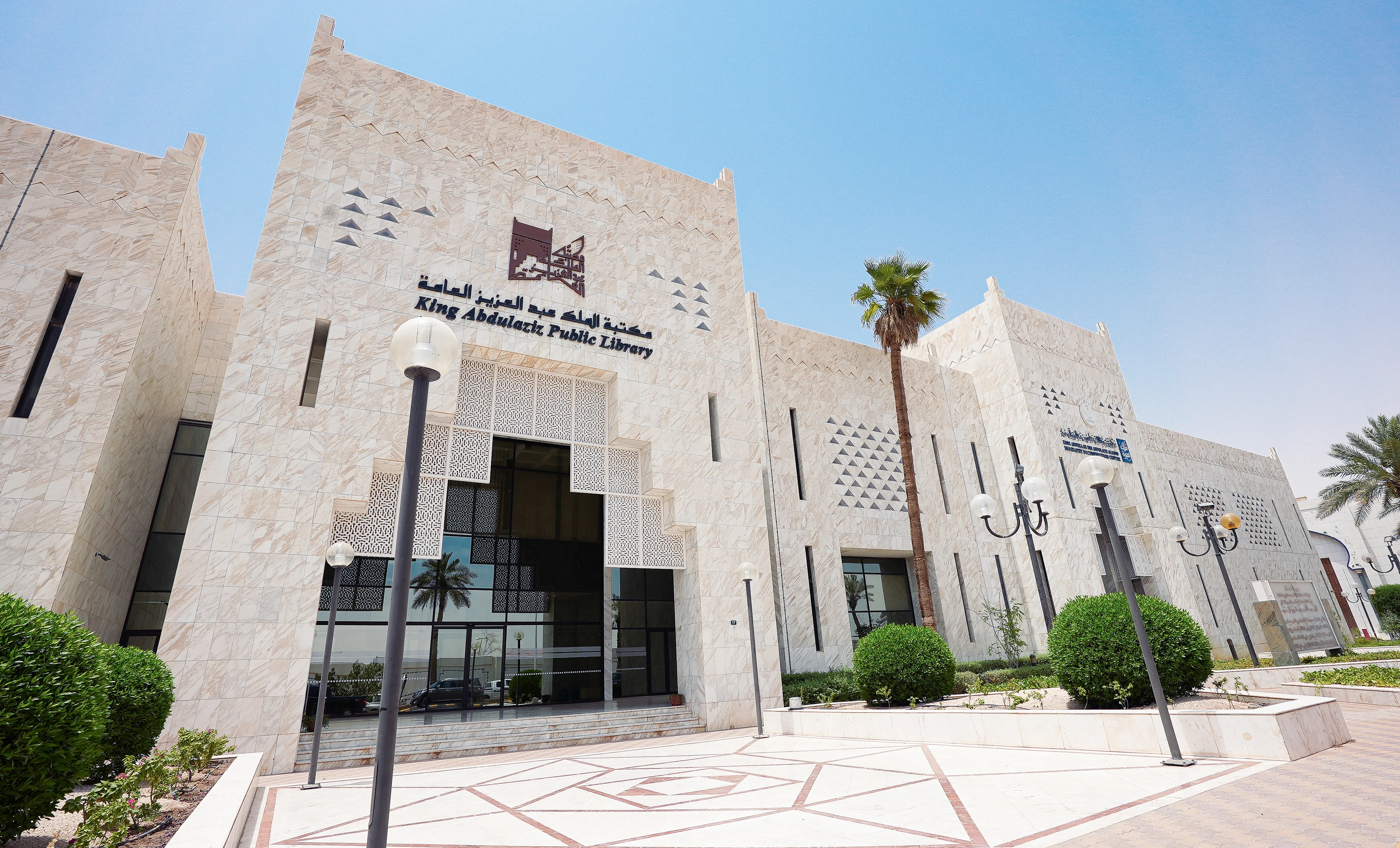
With over 218,000 diverse items, the King Abdulaziz Public Library preserves heritage and renews the national memory.
With over 218,000 diverse items, the King Abdulaziz Public Library preserves heritage and renews the national memory.
Read More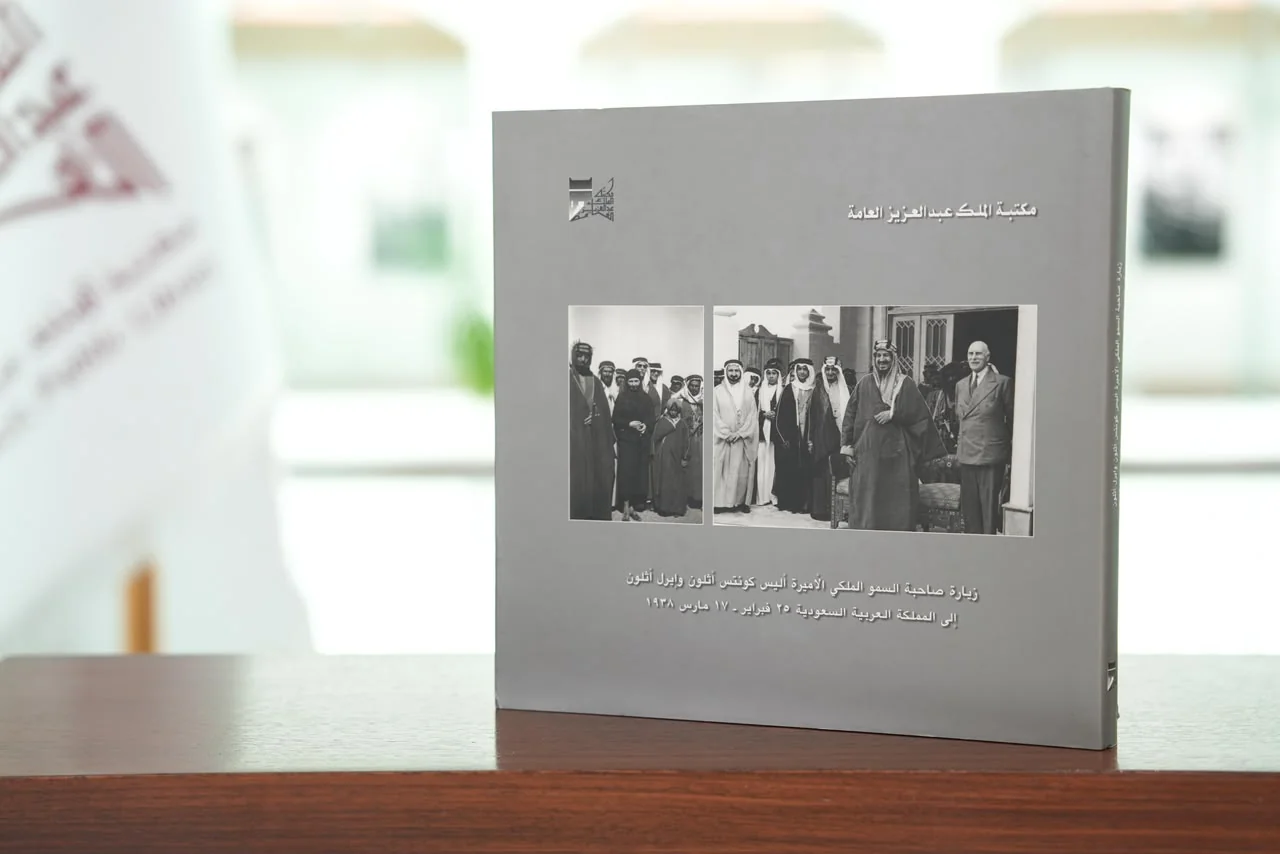
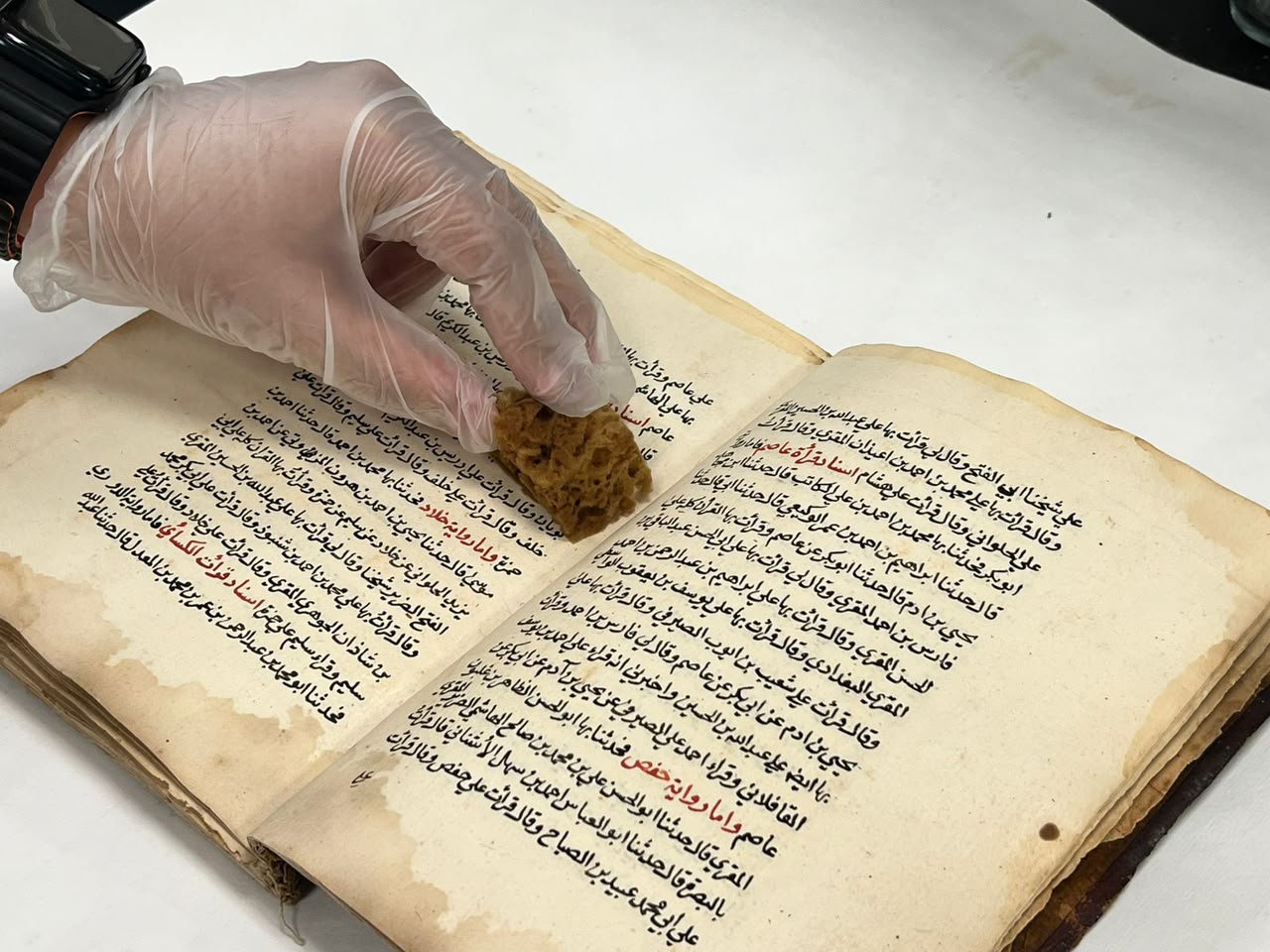
The King Abdulaziz Public Library leads the revival of travel literature and documents the history of the Arabian Peninsula and the Kingdom.
The King Abdulaziz Public Library leads the revival of travel literature and documents the history of the Arabian Peninsula and the Kingdom.
Read More
