
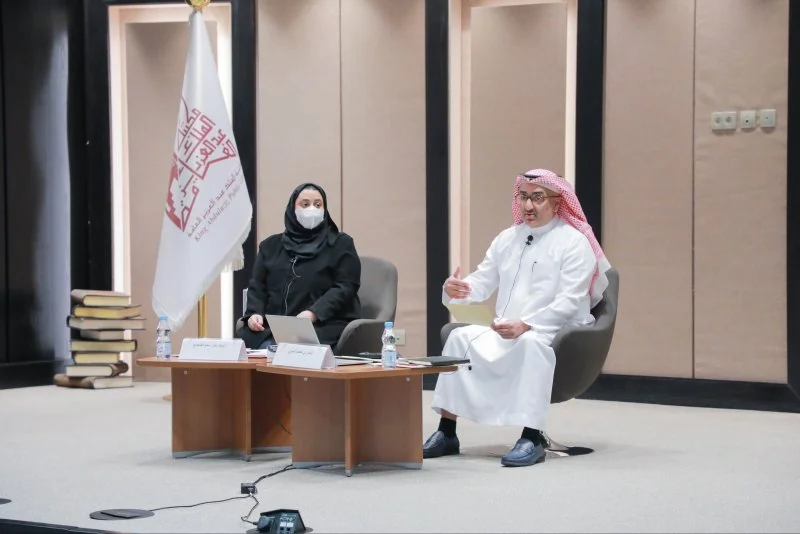
Bandar Al-Harbi discusses transforming events into a national story in a lecture at the King Abdulaziz Library.
As part of its diverse cultural program, the King Abdulaziz Public Library hosted a lecture titled "Historical Institutional Narrative: Transforming Events into a National Story." The lecture was delivered by writer and translator Bandar Al-Harbi, Head of the Publications and Reports Department at the Ministry of Energy, and moderated by Ms. Iman Al-Ghamdi, Head of the Review and Sources Department at Saudipedia. The lecture focused on how institutions can leverage their past not merely as material to be preserved, but as a living story that builds a sense of belonging, lends legitimacy, and opens pathways to the future.
At the outset of his presentation, the speaker explained the subtle distinction between documentation and storytelling. While documentation is primarily concerned with answering the question, "What happened?", storytelling goes beyond this to address the deeper question, "What does it mean to us?" He explained that transforming historical facts into an institutional narrative involves three steps: selecting meaningful moments, framing them within a coherent storyline, and connecting them to a present-day purpose that reinforces trust and belonging.
Al-Harbi highlighted three Saudi examples that illustrate the evolution of this concept in practice: the Military History Forum, organized under the supervision of the Ministry of Defense in partnership with the King Abdulaziz Foundation for Research and Archives and Taif University, as an example of academic and documentary storytelling; the Black Gold Museum in Riyadh, which retells the story of the discovery of oil through an artistic and human-centered approach rather than a technical one; and Diriyah Gate, which represents a model of place-based storytelling that brings together cultural significance and economic returns.
The speaker also addressed the importance of storytelling in engaging generations that did not experience the period of transformation firsthand. He noted that more than two-thirds of the Kingdom's population is under the age of 35, a demographic that lacks direct memories of that era. This makes it essential for institutions to transform inherited oral memories into an established cultural memory through museums, exhibitions, and national occasions. He also referred to the experience of SABIC in adopting an integrated reporting model that combines numerical data with storytelling.
At the conclusion of the lecture, a discussion was held on the media momentum surrounding major national occasions as an effective tool for transferring memory between generations, along with a number of practical recommendations. The key recommendations included developing a single core story that reflects the institution's vision and mission, using occasions and events as a dynamic means of storytelling, and distinguishing between the archive as a static resource and memory as a living asset that can be leveraged.
This lecture is part of the series of cultural activities presented by the King Abdulaziz Public Library to raise awareness of the role of history in shaping national identity, in support of the objectives of Saudi Vision 2030 to strengthen national identity and invest in the cultural and heritage sectors.



Latest New's
View AllStay informed with the latest updates, announcements, and developments from KAPL.
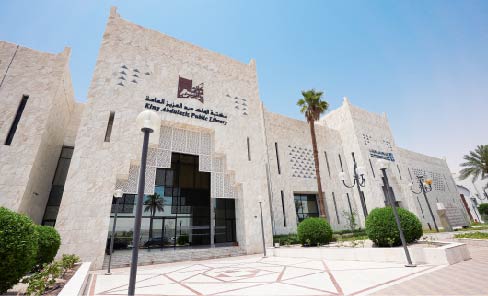
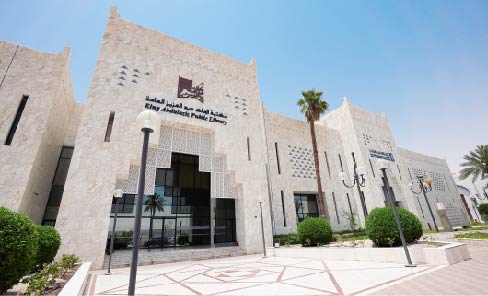
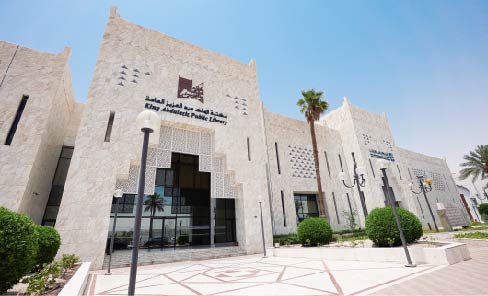
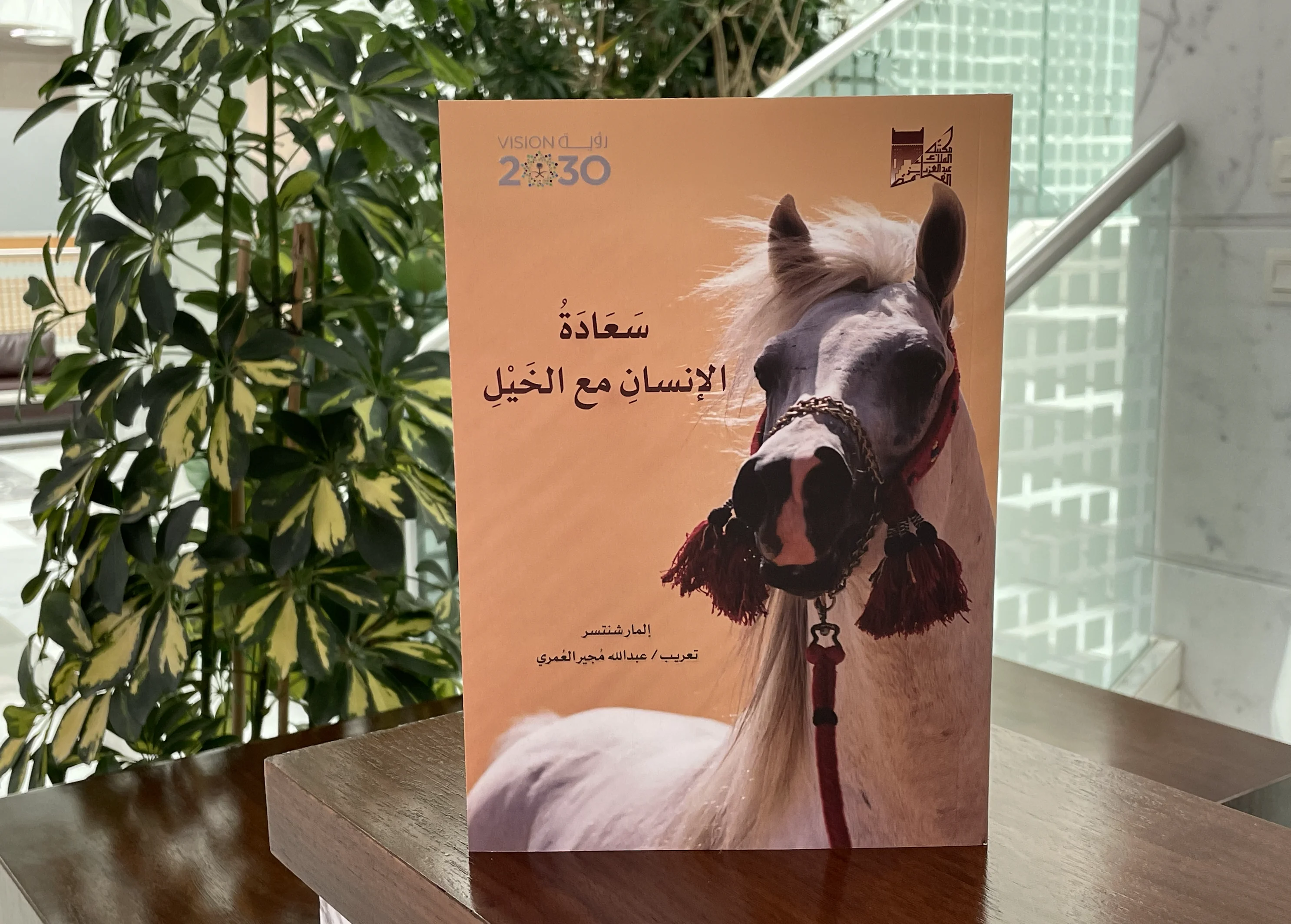
On World Horse Day, the King Abdulaziz Public Library highlights its efforts to document Arabian horse heritage.
On World Horse Day, the King Abdulaziz Public Library highlights its efforts to document Arabian horse heritage.
Read MoreBandar Al-Harbi discusses transforming events into a national story in a lecture at the King Abdulaziz Library.
Bandar Al-Harbi discusses transforming events into a national story in a lecture at the King Abdulaziz Library.
Read More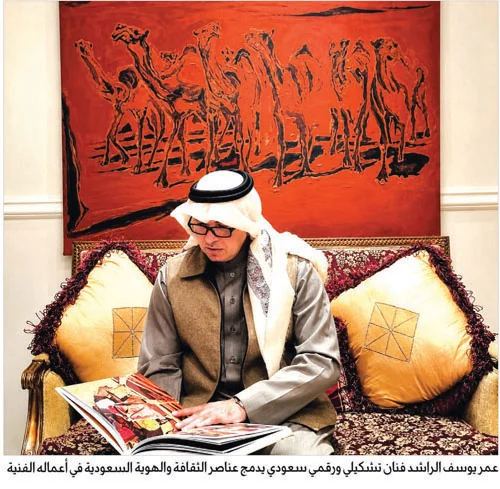
When Camels Become a Language of Beauty... King Abdulaziz Library Explores the Desert’s Memory Through Saudi Art
When Camels Become a Language of Beauty... King Abdulaziz Library Explores the Desert’s Memory Through Saudi Art
Read More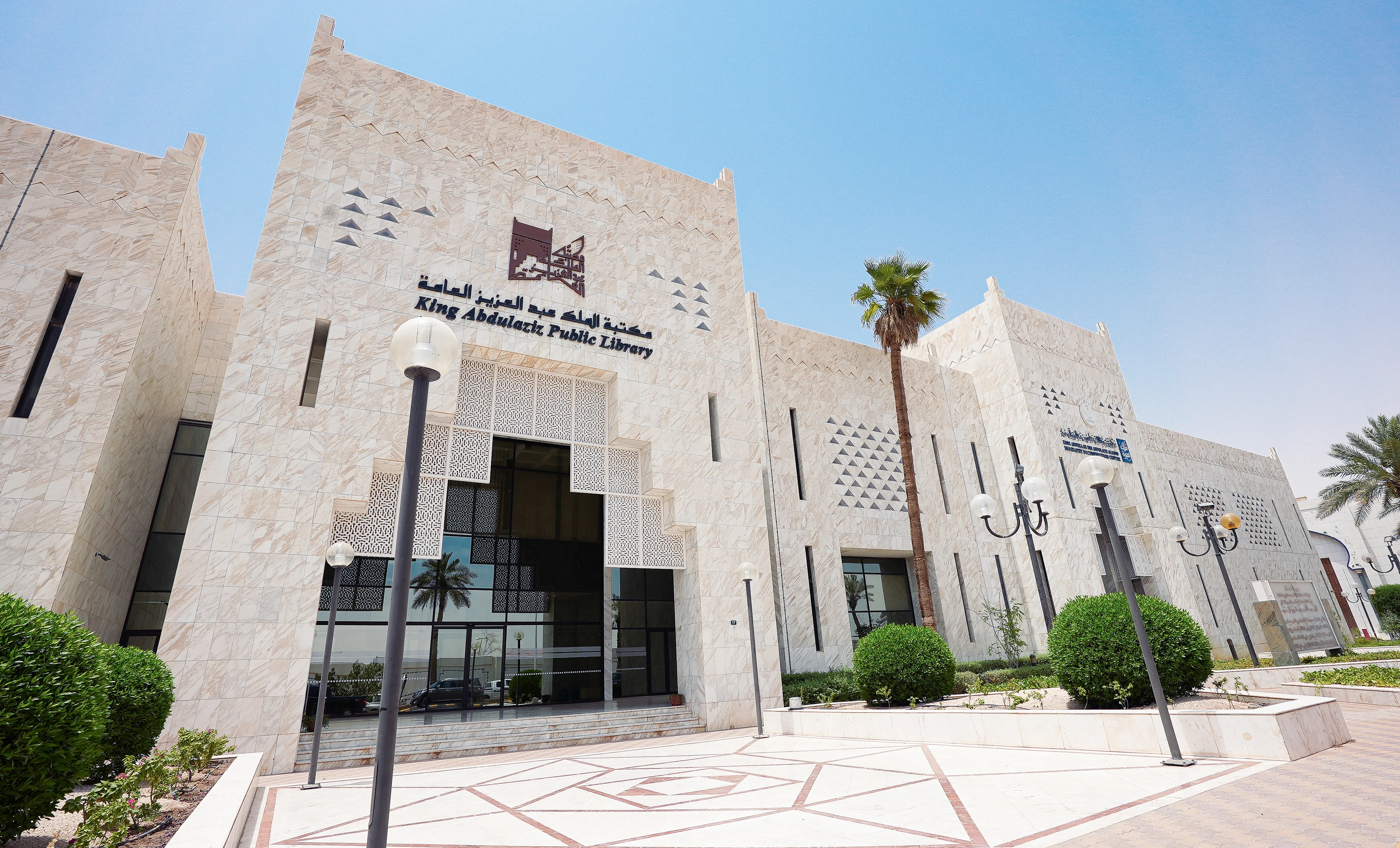
With over 218,000 diverse items, the King Abdulaziz Public Library preserves heritage and renews the national memory.
With over 218,000 diverse items, the King Abdulaziz Public Library preserves heritage and renews the national memory.
Read More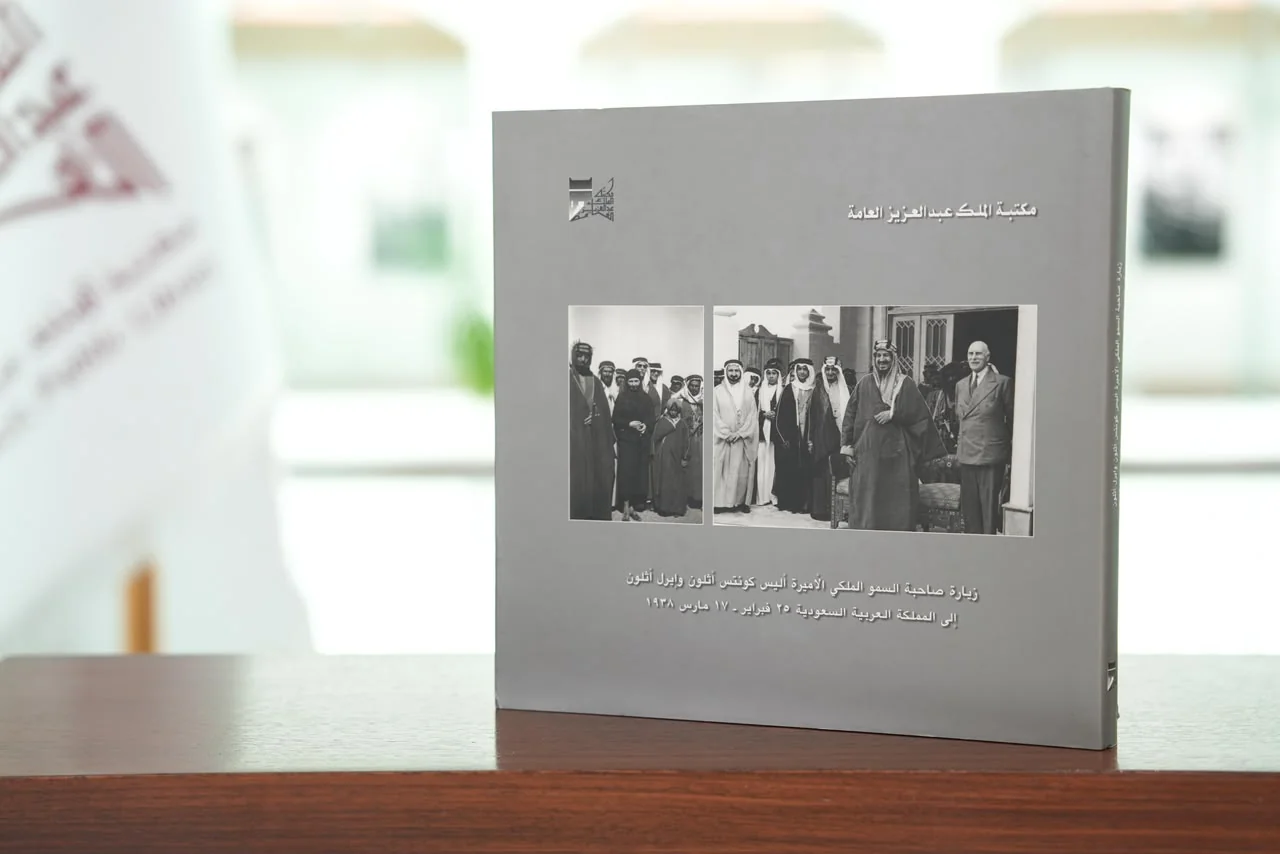
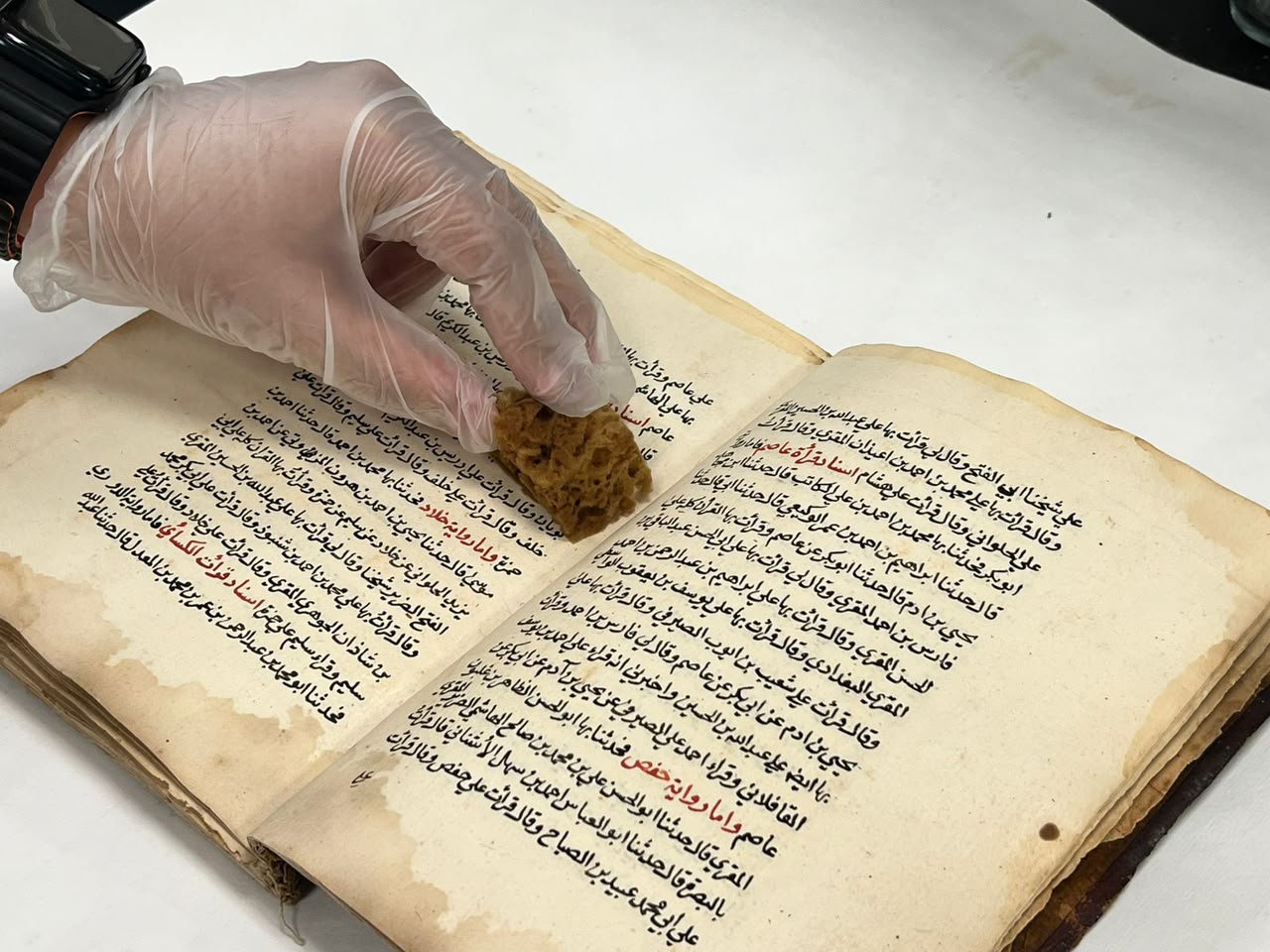
The King Abdulaziz Public Library leads the revival of travel literature and documents the history of the Arabian Peninsula and the Kingdom.
The King Abdulaziz Public Library leads the revival of travel literature and documents the history of the Arabian Peninsula and the Kingdom.
Read More
