
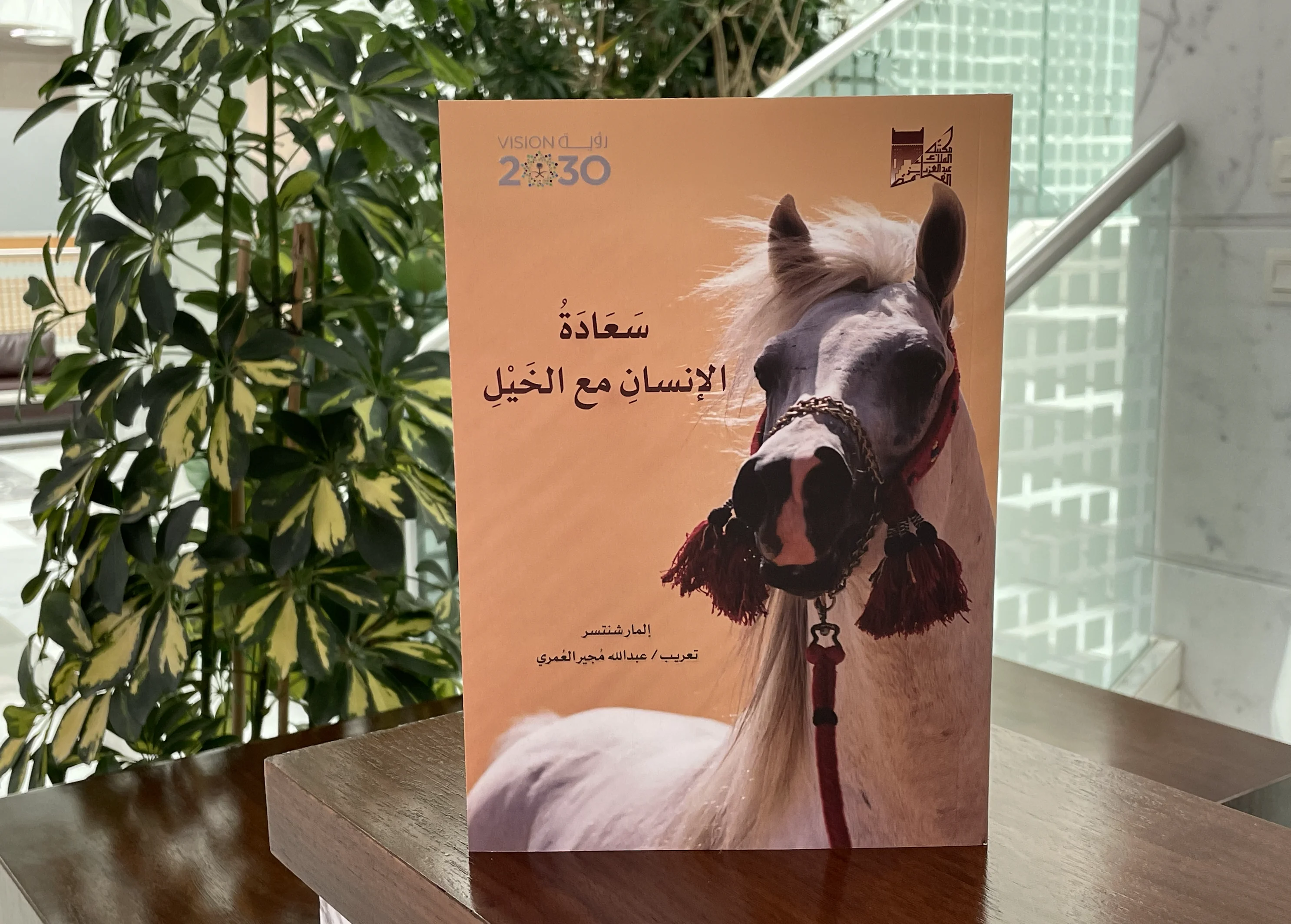
On World Horse Day, the King Abdulaziz Public Library highlights its efforts to document Arabian horse heritage.
On the occasion of World Horse Day, the King Abdulaziz Public Library has highlighted its efforts to document the heritage of Arabian horses through an integrated collection of scholarly publications, rare manuscripts, and research materials. These resources have contributed to enriching historical, linguistic, and cultural studies related to horses and horsemanship, while providing specialized knowledge sources for researchers and enthusiasts.
Among the library’s most notable efforts is its publication of the manuscript "Origins of Horses" by Abbas Pasha I, considered one of the rarest manuscripts specializing in the history of Arabian horses. Work on the manuscript began in 1848, when Abbas Pasha dispatched a scholarly delegation to the Arabian Peninsula to document the pedigrees, bloodlines, breeding centers, and the names of owners, breeders, and traders of purebred horses. It also contains historical and social information documenting the status of Arabian horses among the tribes of the Arabian Peninsula, making it an important scholarly reference in this field.
The library’s interest has also extended to establishing a specialized knowledge base in horsemanship through the creation of a Center for Equestrian Studies, which houses more than 12,000 cultural and scholarly materials, including books, manuscripts, research studies, historical photographs, and works of art. The center has also produced the world’s first printed bibliographic inventory dedicated to horses and horsemanship, strengthening the preservation and accessibility of specialized scholarly output for researchers.
Among the library’s prominent publications is the book "Horsemanship," published in both Arabic and English and authored by David Alexander and Dr. Shihab Al-Sarraf. The first volume contains 29 scholarly studies prepared by specialists from various countries around the world, while the second volume features an illustrated index containing rare historical documents and photographs that chronicle the history of Arabian horses and their civilizational significance.
The library has also published the book "Horses in Arab Poetry" by Dr. Hassan Mohammed Al-Nasih, as well as the book "Horses and Horsemanship: A Bibliographic Study," in Arabic and English. The latter contains 2,262 titles, including 838 titles in Arabic and 1,424 titles in other languages, making it the first specialized printed statistical work to document intellectual and scholarly production in the field of horses and horsemanship.
As part of its efforts to enhance specialized scholarly content, the library published a translation of the book "Purebred Arabian Horses" from Russian. The book examines Western literature on Arabian horses and methods of breeding them, documenting their bloodlines and characteristics based on field visits undertaken by its author to the Arabian Peninsula and several Arab countries.
The library has also enriched its knowledge holdings with the publication of the books "General Principles of the Arab Horseman" and "History of the Arabian Horse" in French. Both works explore the history of horses and the arts of horsemanship from the earliest civilizations, further strengthening the presence of this cultural heritage in multilingual knowledge sources.
In the linguistic field, the library published the book "The Dictionary of Horses in Lisan al-Arab," compiled by Sulaiman Al-Nghaimshi. The work brings together the vocabulary and terminology related to horses found in the Lisan al-Arab lexicon, covering horse names, descriptions, diseases, and equipment, in addition to a collection of Arabic proverbs associated with horses. It reflects the rich presence of horses in the Arabic language.
Another specialized publication is the book "Those Knowledgeable in Arabian Horses" by Abdulaziz Al-Qurashi. The book examines the descriptions and characteristics of purebred Arabian horses and presents the views of scholars and horse enthusiasts regarding the criteria used to identify them, their traits, and the transmission of their characteristics across generations.
In highlighting the historical and cultural relationship between humans and horses, the library has also published the book "The Happiness of Man with Horses" by German author Elmar Schenzer, translated by Abdullah Mujeer Al-Omari. The book explores the human and cultural dimensions of this relationship and highlights the presence of horses in literature and the arts as symbols of nobility, courage, and loyalty.
The library’s holdings also include the illustrated and illuminated book "Oriental Horses" by Wacław Rzewuski, published in 1821 in Arabic and French. It is considered one of the earliest Western works devoted to Arabian horses and contains more than 400 images documenting the desert environment and methods of caring for purebred Arabian horses.
These publications and holdings embody the King Abdulaziz Public Library’s commitment to preserving and documenting the heritage of Arabian horses and strengthening its presence in historical, linguistic, and scholarly studies. They contribute to providing reliable academic references for researchers and enthusiasts while highlighting the civilizational significance that Arabian horses have held throughout the history of the Arabian Peninsula and within Arab and Islamic culture.
It is worth noting that in 2025, the United Nations General Assembly approved the observance of World Horse Day on July 11 each year, in recognition of the role of horses in the development of civilizations and sustainable development. February 19 is observed annually as World Arabian Horse Day, reaffirming the horse’s authentic historical and cultural significance in the Arabian Peninsula.



Latest New's
View AllStay informed with the latest updates, announcements, and developments from KAPL.
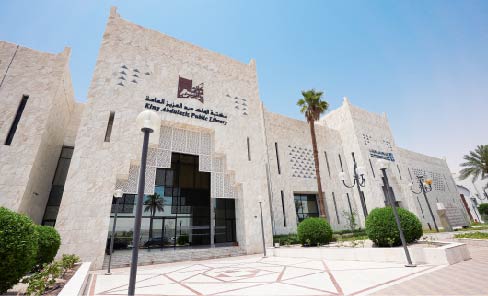
King Abdulaziz Public Library Participates in the International Federation of Library Associations (IFLA 2026) Conference and Exhibition in South Korea
The King Abdulaziz Public Library is participating in the International Federation of Library Associations and Institutions (IFLA) 2026 conference and exhibition—hosted by the city of Busan, South Korea, from August 10 to 13, 2026—as part of its ongoing international presence and its commitment to exchanging expertise and building partnerships with library and knowledge institutions worldwide.
Read More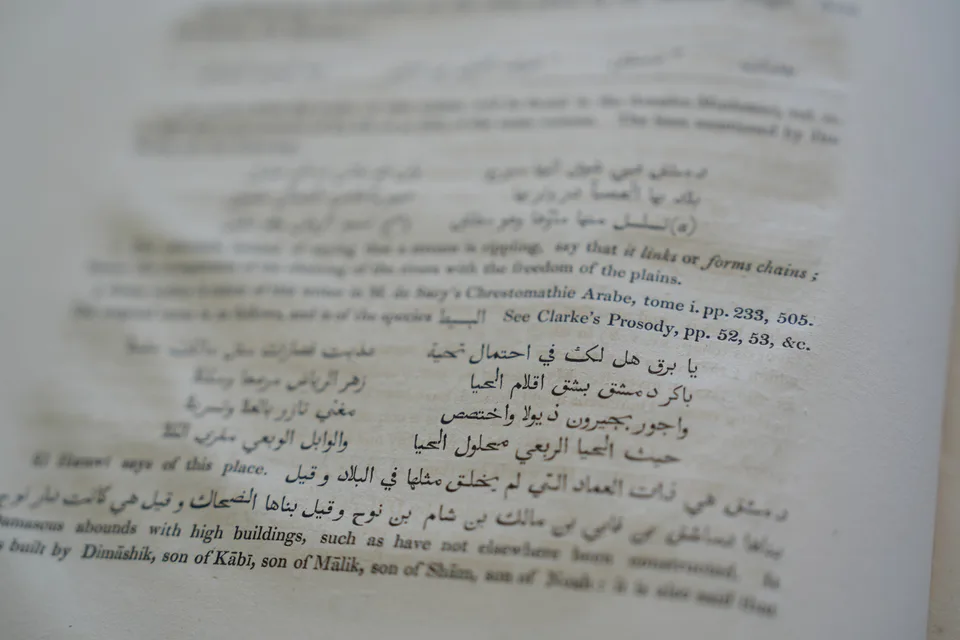
King Abdulaziz Public Library Unveils First Translation of Ibn Battuta’s Travels
King Abdulaziz Public Library in Riyadh has revealed that it has acquired a rare copy of the first printed and widely known English translation of Ibn Battuta’s travels, published 197 years ago, specifically on April 27, 1829.
Read More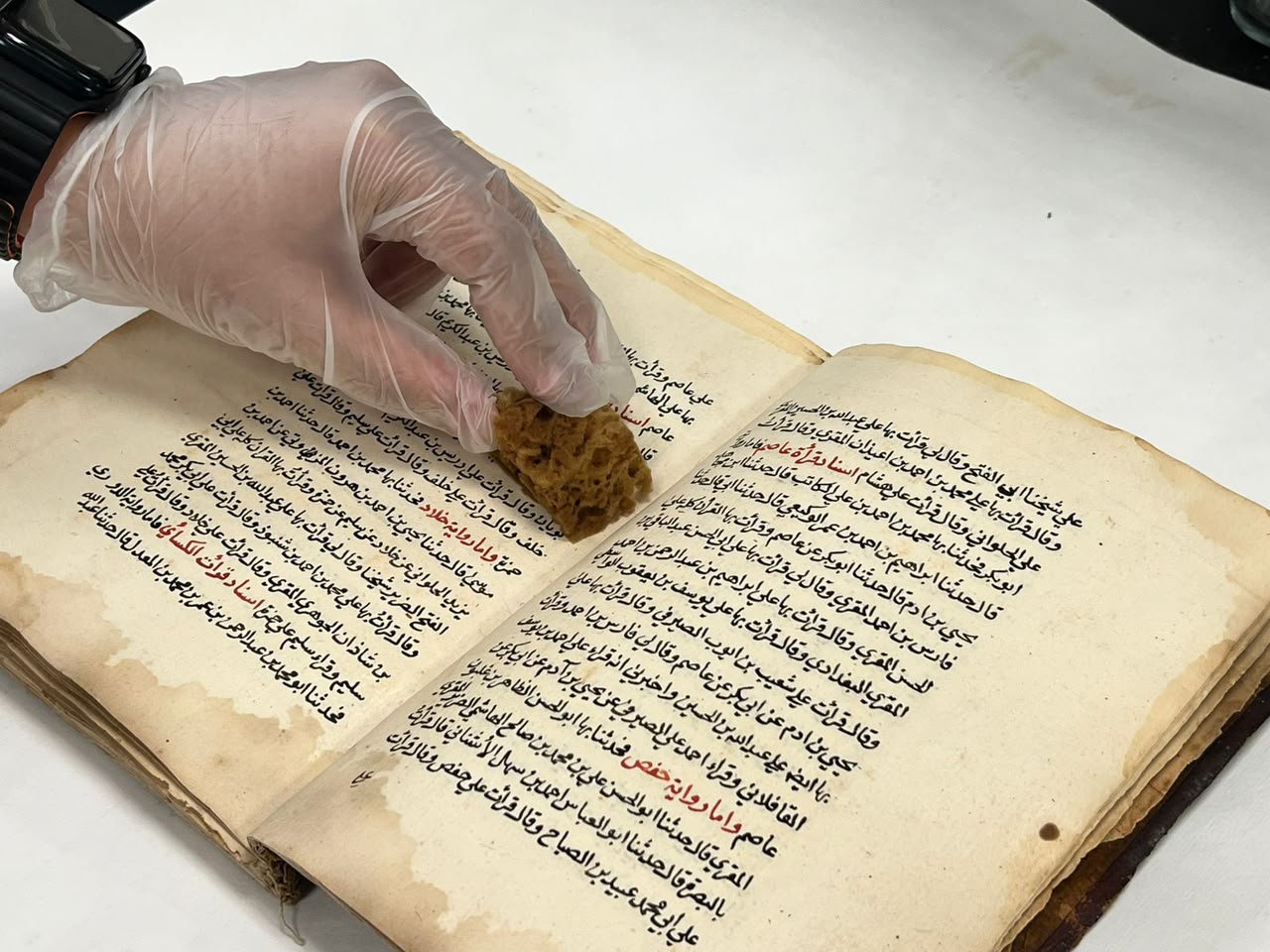
The Restoration Center at the King Abdulaziz Public Library treats over 10,000 cultural heritage items.
The Restoration and Treatment Center at the King Abdulaziz Public Library has achieved a new milestone by restoring and treating over 10,861 items from the library’s collections—including historical photographs, documents, maps, rare books, manuscripts, newspapers, and periodicals. This work was carried out using the latest scientific and professional methods for restoration, treatment, sterilization, and preventive maintenance, thereby helping to preserve these holdings, extend their lifespan, and ensure their sustainability for future generations.
Read More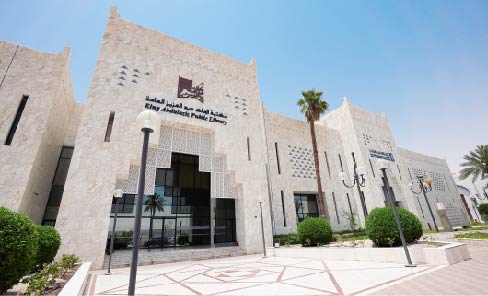
The King Abdulaziz Public Library hosts cultural gatherings and publishes novels for young adults.
The King Abdulaziz Public Library continues to offer diverse cultural and intellectual programs aimed at fostering cultural awareness within the Kingdom, strengthening the cultural elements that bridge heritage and modernity, and showcasing the Kingdom’s cultural identity through activities that promote the presence of national, Arab, Islamic, and global cultures.
Read More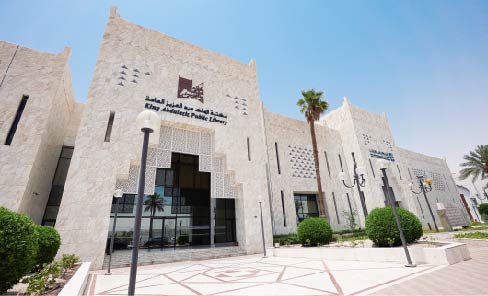
King Abdulaziz Public Library Launches "AI Generation" Summer Camp
The King Abdulaziz Public Library, represented by its General Department for Children, has launched the "AI Generation" summer camp. This distinctive initiative aims to develop the skills of children and youth in the fields of technology, artificial intelligence, and innovation through an educational experience that combines technical, cultural, and recreational elements.
Read MoreOn World Horse Day, the King Abdulaziz Public Library highlights its efforts to document Arabian horse heritage.
On World Horse Day, the King Abdulaziz Public Library highlights its efforts to document Arabian horse heritage.
Read More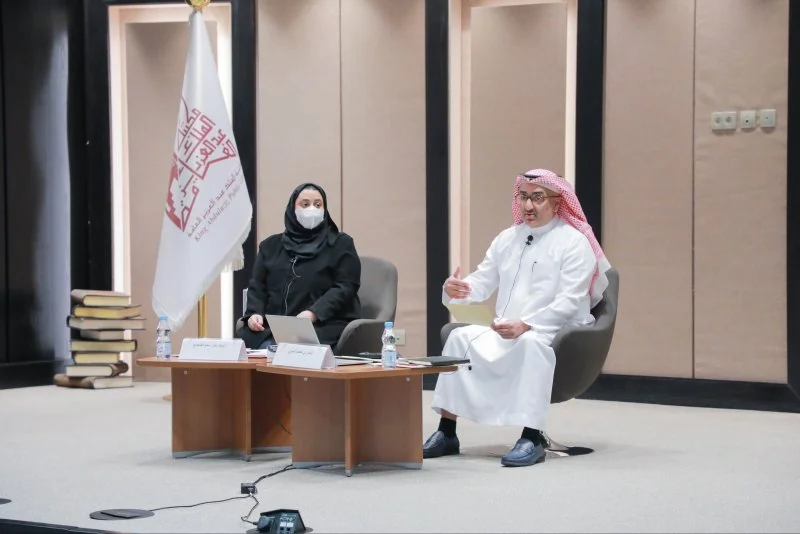
Bandar Al-Harbi discusses transforming events into a national story in a lecture at the King Abdulaziz Library.
Bandar Al-Harbi discusses transforming events into a national story in a lecture at the King Abdulaziz Library.
Read More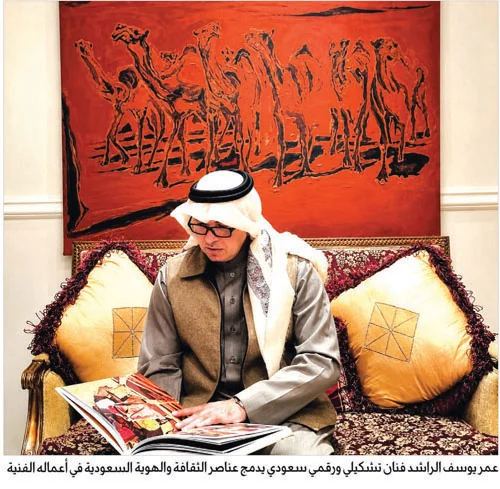
When Camels Become a Language of Beauty... King Abdulaziz Library Explores the Desert’s Memory Through Saudi Art
When Camels Become a Language of Beauty... King Abdulaziz Library Explores the Desert’s Memory Through Saudi Art
Read More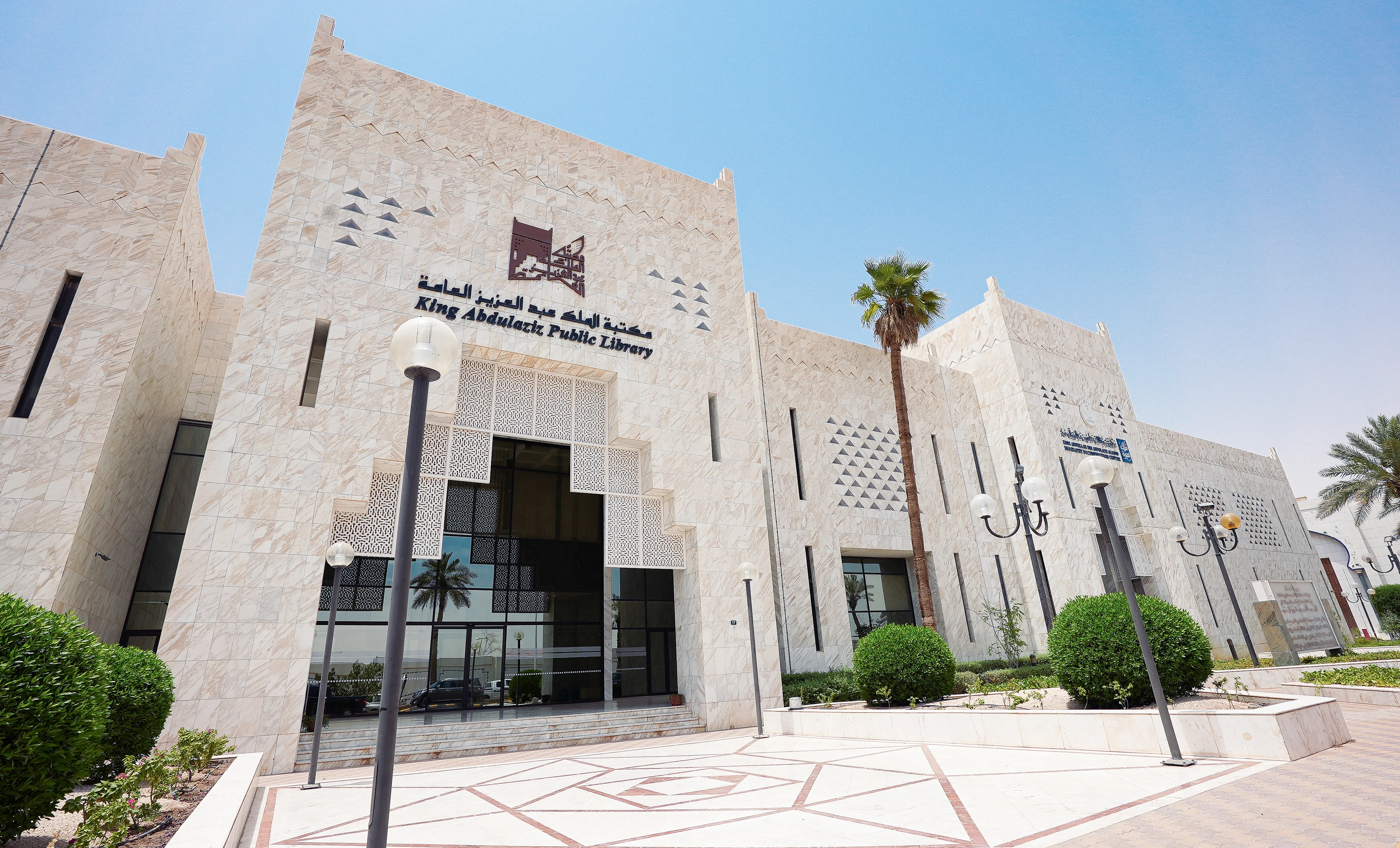
With over 218,000 diverse items, the King Abdulaziz Public Library preserves heritage and renews the national memory.
With over 218,000 diverse items, the King Abdulaziz Public Library preserves heritage and renews the national memory.
Read More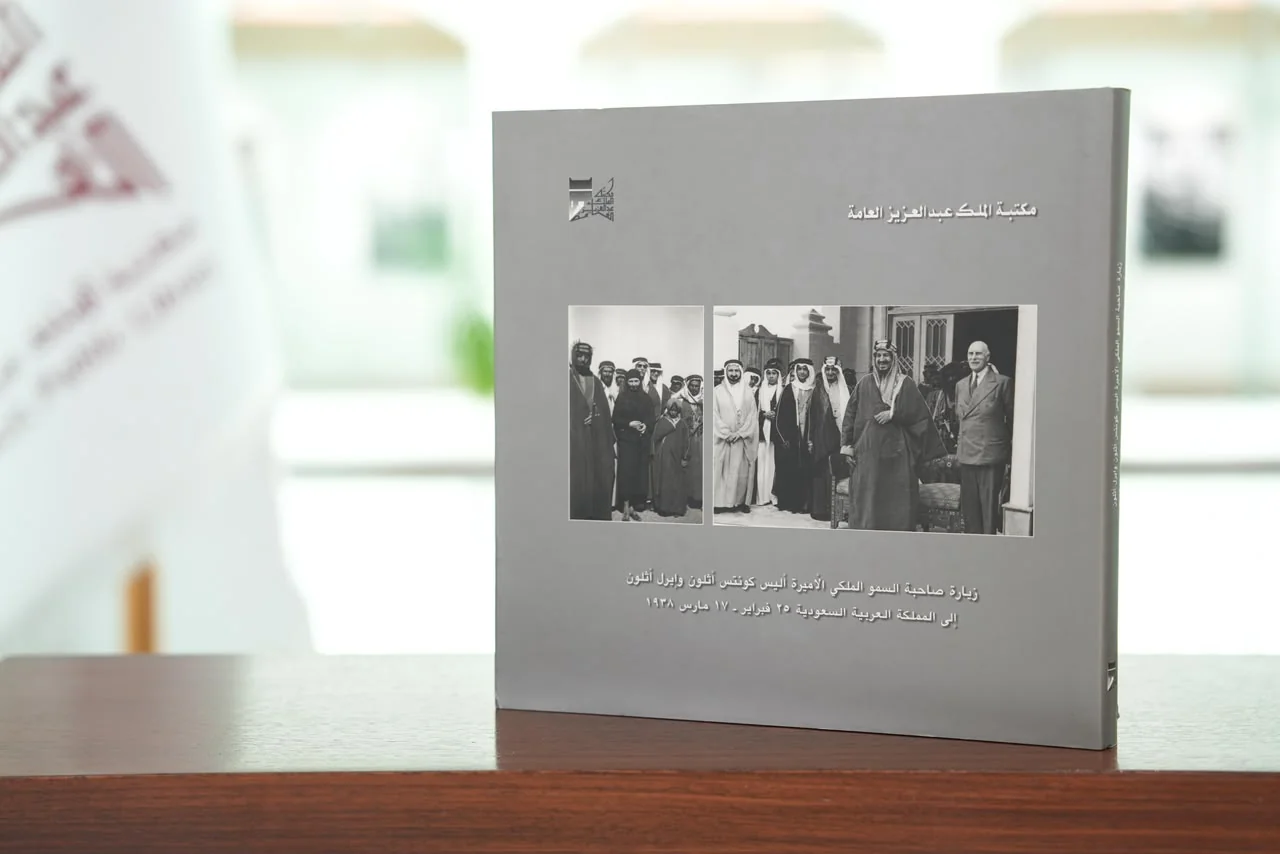
The King Abdulaziz Public Library leads the revival of travel literature and documents the history of the Arabian Peninsula and the Kingdom.
The King Abdulaziz Public Library leads the revival of travel literature and documents the history of the Arabian Peninsula and the Kingdom.
Read More
