

General Supervisor of the King Abdulaziz Public Library: A new cultural trajectory in the Kingdom redefines the position of local culture.
His Excellency the General Supervisor of the King Abdulaziz Public Library, Mr. Faisal bin Abdulrahman bin Muammar, affirmed that during the reign of the Custodian of the Two Holy Mosques, King Salman bin Abdulaziz Al Saud, and His Royal Highness the Crown Prince, may Allah protect them, a new direction for culture emerged in the Kingdom as an integral part of the state’s development project. This direction has redefined the role of local culture within a national project that simultaneously strengthens the economy, society, and national identity. Saudi Vision 2030 clearly established this direction by linking culture to quality of life, the economy, and the Kingdom’s international image, through a transition from supporting cultural activities to building a fully developed cultural sector.
This came in a statement by His Excellency following the announcement by His Highness Prince Badr bin Abdullah bin Farhan, Minister of Culture, of an initiative to support local communities in restoring heritage towns, aimed at strengthening community contributions to preserving and rehabilitating their valuable heritage assets. The announcement was made at the conclusion of the Non-Profit Cultural Sector Forum organized by the Ministry at the King Fahd Cultural Center in Riyadh.
He said: “Within this framework, the Ministry of Culture, under the leadership of His Highness the Minister of Culture, has successfully moved this field from general discussion to systematic implementation. Specialized commissions have been established for each sector, from libraries and literature to music, film, and heritage. This division was not merely organizational, but professional, with each commission following a clear path, possessing its own tools, and operating according to performance indicators. Through this step, culture moved from a broad and general discourse to clearly defined productive sectors.”
He added: “The achievements did not come separately, but as an interconnected series: establishing the regulatory framework, launching sector-specific strategies, empowering investors, and expanding international partnerships. Each step built upon the previous one, and this may be what gave the project its coherence. In the cultural industries, the transformation has been particularly clear: publishing, cinema, fashion, design, and music have become economic activities with clearly defined value chains. Licenses have been issued, companies have entered the market, and the market itself has begun to take shape. In the film sector, for example, local production has doubled within just a few years, cinemas have opened, and revenues have increased. These are market indicators, not merely celebratory displays.”
He continued: “As for heritage, it has moved from preservation to activation. Initiatives such as the restoration of heritage towns have given historic places new functions in Historic Jeddah, AlUla, and the villages of Asir. More recently, and certainly not lastly, the promising Sados Historic Village project was launched, God willing, with the aim of bringing economic activity back to old neighborhoods. Hospitality projects have opened and will continue to open, important traditional crafts have flourished, visitor numbers have increased, and heritage has become a productive asset. This transformation achieves a clear equation: protecting identity while generating income.”
Faisal bin Muammar concluded: “The relationship between the state and society has changed. The state has established the direction, put regulations in place, and provided the necessary enablers, paving the way for society to become a partner in production. The private sector invests, while the non-profit sector expands social impact. This distribution will create an operational balance, reduce the burden on the state, and improve implementation efficiency. As a result, the prevailing language within the cultural sector today has become clear: figures, indicators, returns, and sustainability.”



Latest New's
View AllStay informed with the latest updates, announcements, and developments from KAPL.
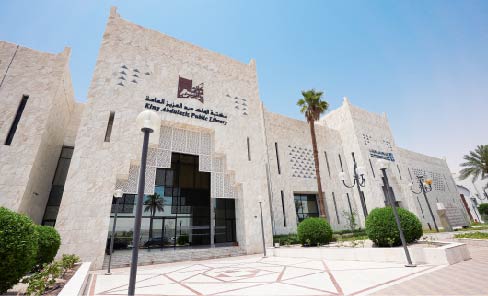
King Abdulaziz Public Library Participates in the International Federation of Library Associations (IFLA 2026) Conference and Exhibition in South Korea
The King Abdulaziz Public Library is participating in the International Federation of Library Associations and Institutions (IFLA) 2026 conference and exhibition—hosted by the city of Busan, South Korea, from August 10 to 13, 2026—as part of its ongoing international presence and its commitment to exchanging expertise and building partnerships with library and knowledge institutions worldwide.
Read More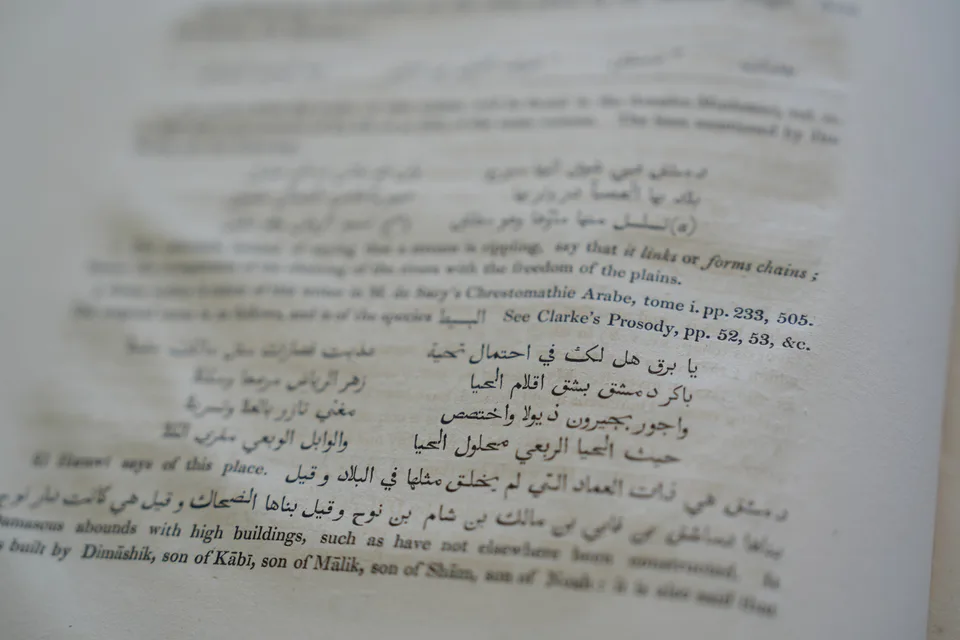
King Abdulaziz Public Library Unveils First Translation of Ibn Battuta’s Travels
King Abdulaziz Public Library in Riyadh has revealed that it has acquired a rare copy of the first printed and widely known English translation of Ibn Battuta’s travels, published 197 years ago, specifically on April 27, 1829.
Read More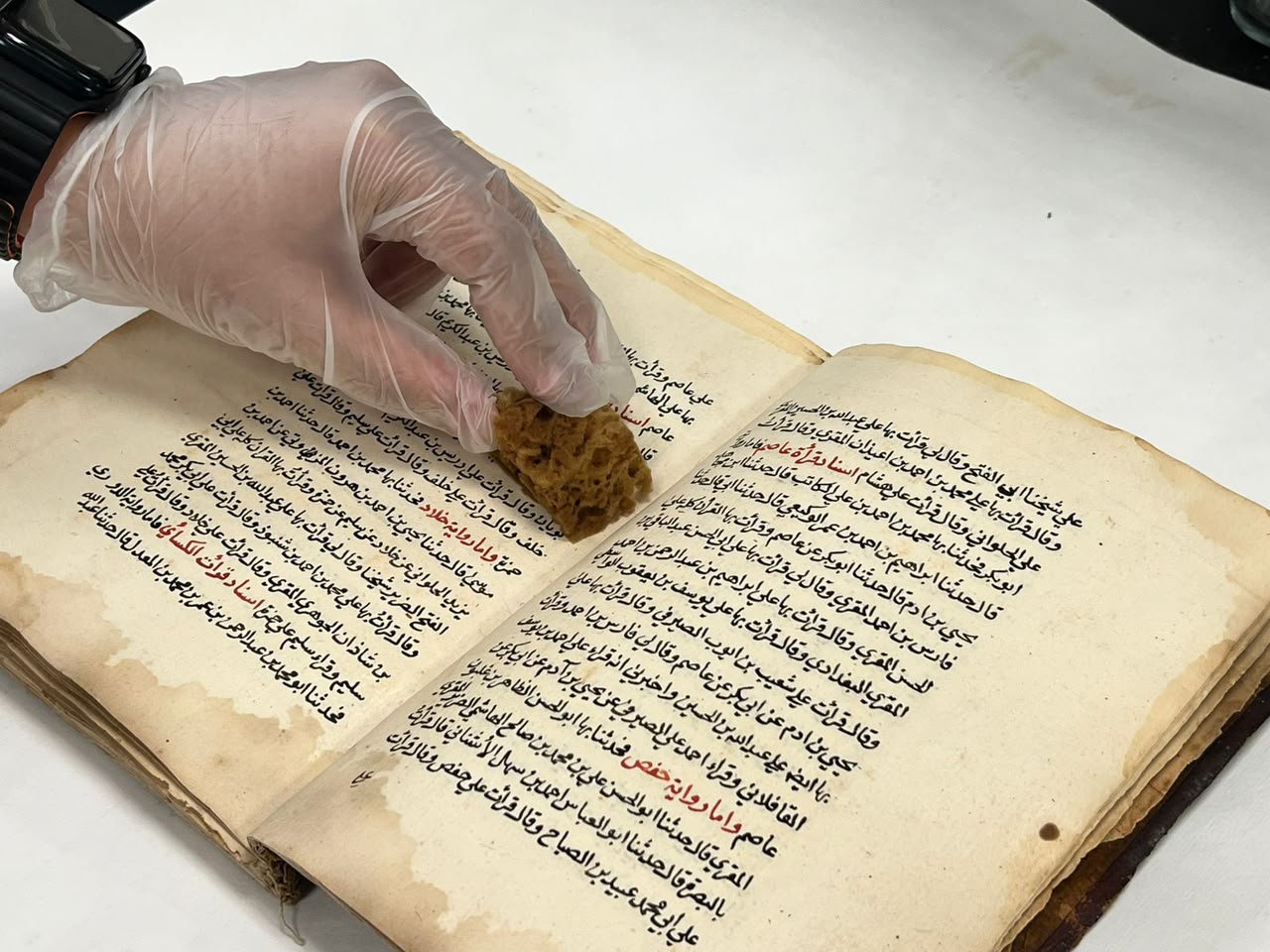
The Restoration Center at the King Abdulaziz Public Library treats over 10,000 cultural heritage items.
The Restoration and Treatment Center at the King Abdulaziz Public Library has achieved a new milestone by restoring and treating over 10,861 items from the library’s collections—including historical photographs, documents, maps, rare books, manuscripts, newspapers, and periodicals. This work was carried out using the latest scientific and professional methods for restoration, treatment, sterilization, and preventive maintenance, thereby helping to preserve these holdings, extend their lifespan, and ensure their sustainability for future generations.
Read More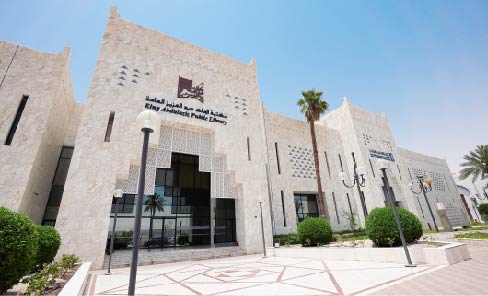
The King Abdulaziz Public Library hosts cultural gatherings and publishes novels for young adults.
The King Abdulaziz Public Library continues to offer diverse cultural and intellectual programs aimed at fostering cultural awareness within the Kingdom, strengthening the cultural elements that bridge heritage and modernity, and showcasing the Kingdom’s cultural identity through activities that promote the presence of national, Arab, Islamic, and global cultures.
Read More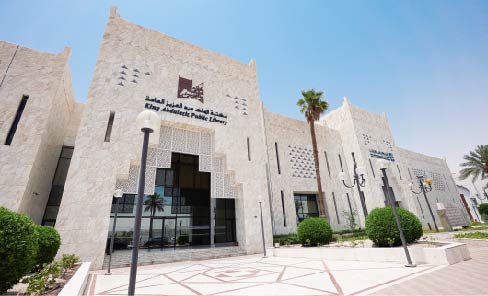
King Abdulaziz Public Library Launches "AI Generation" Summer Camp
The King Abdulaziz Public Library, represented by its General Department for Children, has launched the "AI Generation" summer camp. This distinctive initiative aims to develop the skills of children and youth in the fields of technology, artificial intelligence, and innovation through an educational experience that combines technical, cultural, and recreational elements.
Read More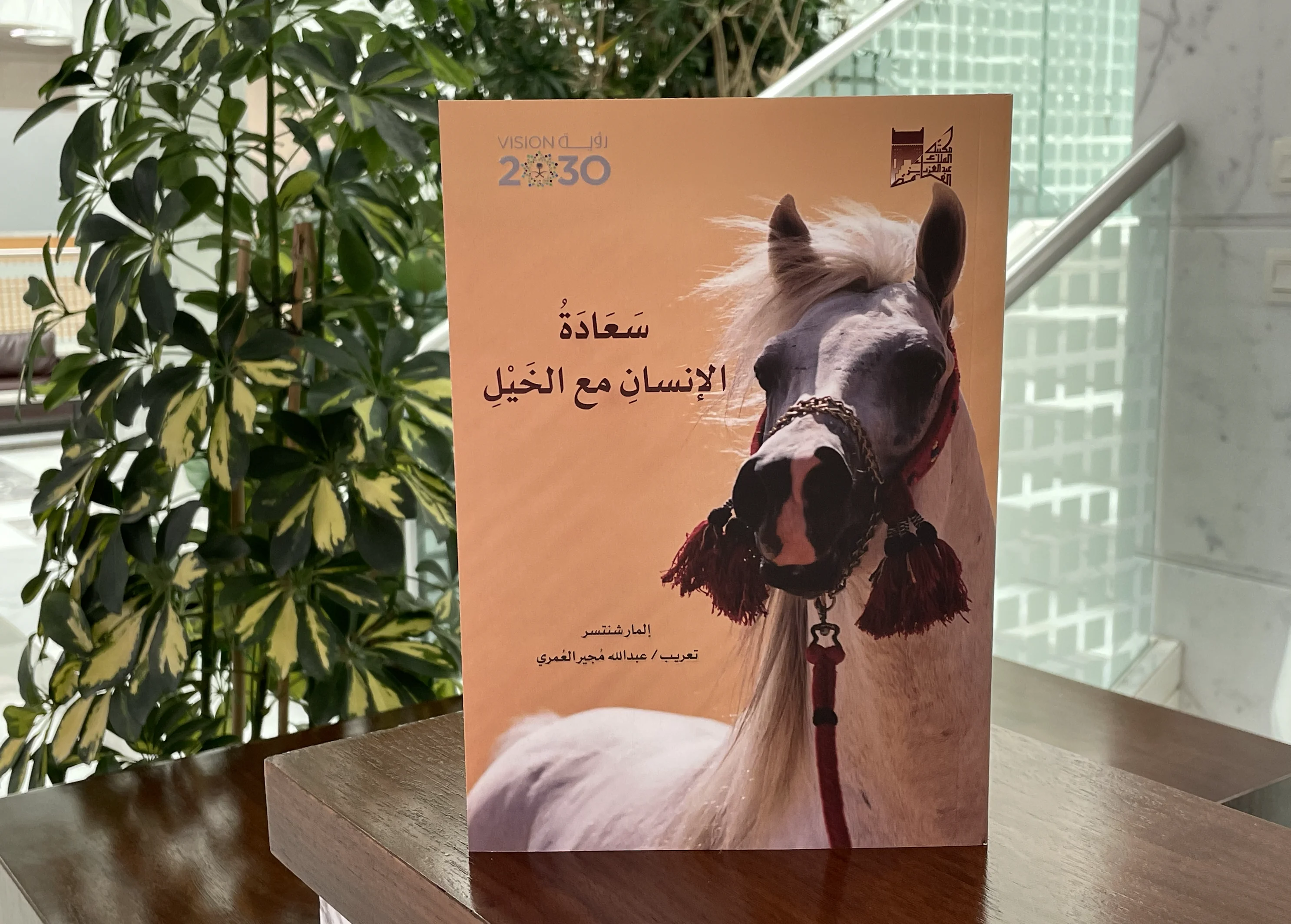
On World Horse Day, the King Abdulaziz Public Library highlights its efforts to document Arabian horse heritage.
On World Horse Day, the King Abdulaziz Public Library highlights its efforts to document Arabian horse heritage.
Read More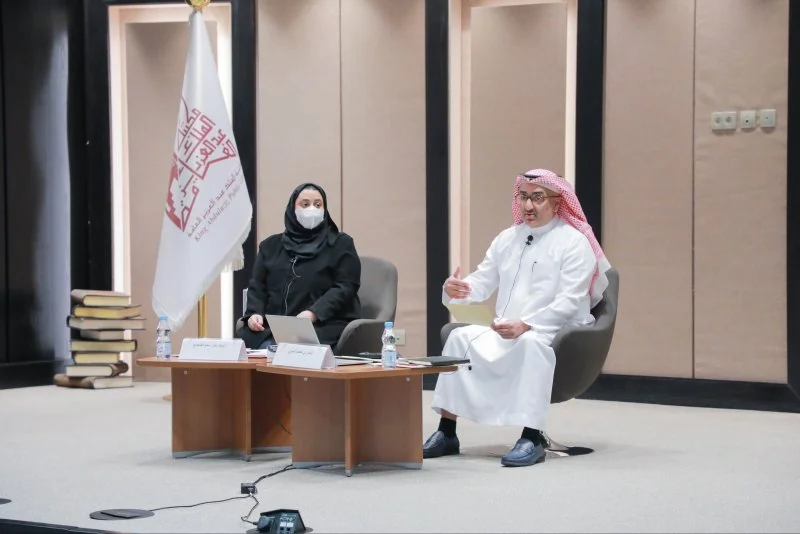
Bandar Al-Harbi discusses transforming events into a national story in a lecture at the King Abdulaziz Library.
Bandar Al-Harbi discusses transforming events into a national story in a lecture at the King Abdulaziz Library.
Read More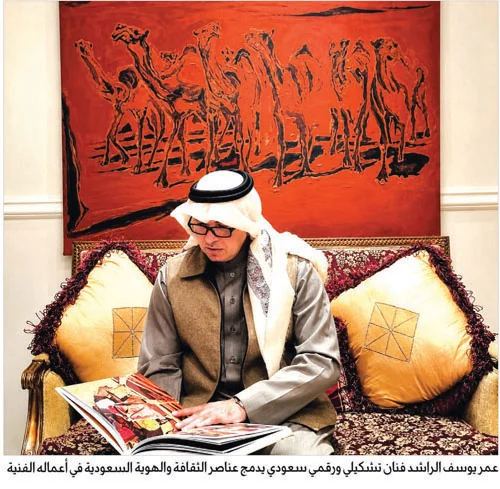
When Camels Become a Language of Beauty... King Abdulaziz Library Explores the Desert’s Memory Through Saudi Art
When Camels Become a Language of Beauty... King Abdulaziz Library Explores the Desert’s Memory Through Saudi Art
Read More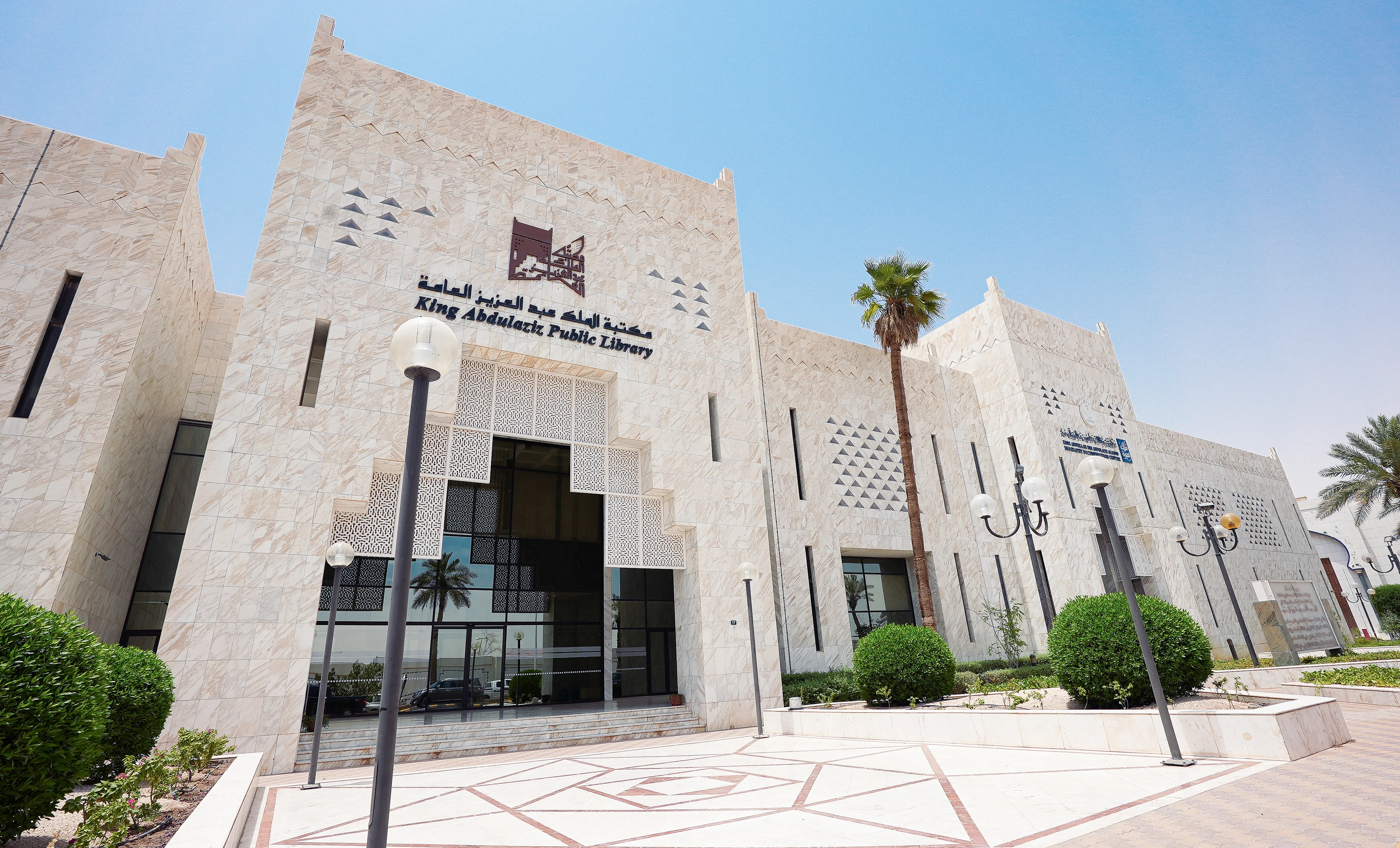
With over 218,000 diverse items, the King Abdulaziz Public Library preserves heritage and renews the national memory.
With over 218,000 diverse items, the King Abdulaziz Public Library preserves heritage and renews the national memory.
Read More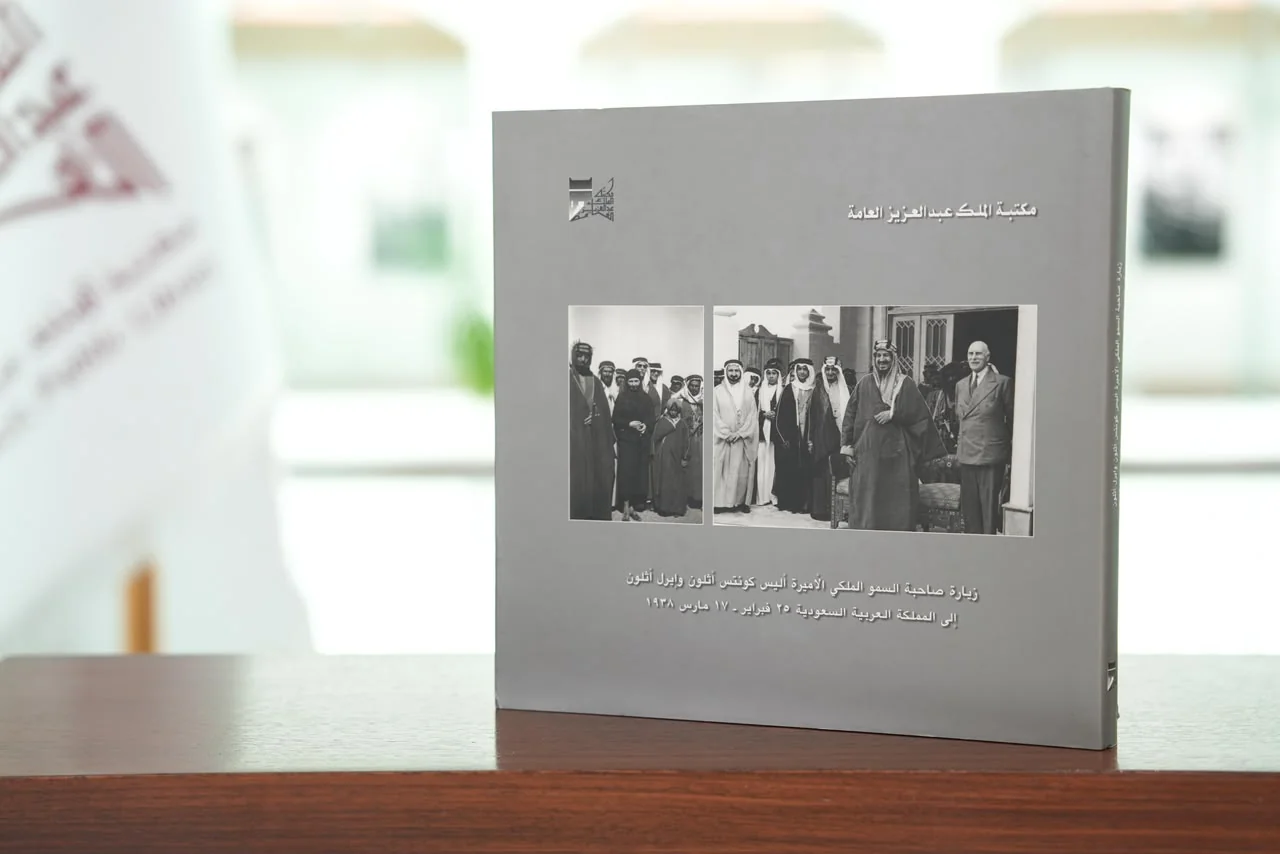
The King Abdulaziz Public Library leads the revival of travel literature and documents the history of the Arabian Peninsula and the Kingdom.
The King Abdulaziz Public Library leads the revival of travel literature and documents the history of the Arabian Peninsula and the Kingdom.
Read More
