
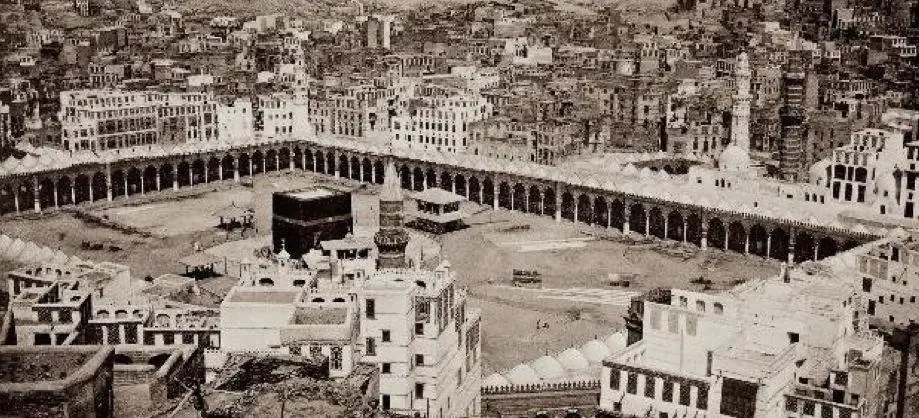
Library highlights historical depth of Hajj via visual memory
As part of its cultural strategy, the King Abdulaziz Public Library seeks to preserve Arab and Islamic heritage through documentation, archiving, and cataloging, and to make this heritage, in all its forms, available to readers, researchers, and scholars. This enables them to explore its most prominent contents and incorporate them into their heritage sources and references. Since its establishment more than 40 years ago, the library has worked to provide this specialized knowledge and continuously update and develop it in accordance with its cultural program for acquiring and renewing research sources, materials, and collections that advance scholarly research in this field.
The library works to showcase its rare heritage collections to the public, particularly when it comes to the Hajj pilgrimage, highlighting its strong commitment to introducing these collections and the Two Holy Mosques in Makkah, where the first House established for humanity is located, and in Madinah, home to the Mosque of the Seal of the Prophets and Messengers, the Prophet’s Mosque.
As part of its cultural vision, the King Abdulaziz Public Library launched the first screening in Riyadh of the film The Greatest Journeys: Hajj to Makkah – In the Footsteps of Ibn Battuta. The historical documentary received widespread acclaim from viewers, scholars, and researchers, and achieved international recognition when it was screened in large-format cinemas around the world.
The Ibn Battuta film connects the past with the present by showcasing scenes of Hajj rituals in the modern era, while also highlighting the efforts undertaken by the Kingdom to develop and care for the Two Holy Mosques and provide pilgrims with every means of ease and comfort.
More than 2,000 people from 24 countries participated in the production. Ibn Battuta’s journey to Makkah during the 14th century was used as the historical backdrop for the film, whose themes emphasized its message of peace and tolerance.
The film explores the Hajj pilgrimage and its rituals. It was produced by an international company specializing in documentary film production and cinematography and was presented using IMAX large-format technology with exceptionally high-quality sound and visuals. The film documents pilgrims’ journeys and their arrival in Makkah by air, sea, and land. It has a running time of 45 minutes.
The film, produced by the King Abdulaziz Public Library, was screened in several international capitals, including New York, Paris, London, Singapore, Jakarta, and Dubai. It won three awards at festivals in Houston, Boston, and Paris and was translated into several international languages, including French, Russian, and Turkish, in addition to English and Arabic.
The library holds collections of previously unpublished historical photographs, most notably collections documenting the Kingdom and the Arab world in general. Among them is a collection of photographs taken by Major General Muhammad Sadiq Pasha, which includes a globally significant photograph of the Two Holy Mosques in Makkah and Madinah, of which only three copies exist worldwide.
The library also holds 365 original, previously unpublished photographs of the Two Holy Mosques taken by the renowned Egyptian photographer Ahmed Pasha Helmy, who was commissioned by King Farouk to photograph the Two Holy Mosques during King Abdulaziz’s entry into Makkah and Madinah, may he rest in peace. The collection also includes albums documenting the Hejaz Railway and various regions of the Kingdom.
Ahmed Mirza is regarded as the first professional Indian photographer to travel to the holy lands for Hajj in 1325 AH/1907 AD. The library published his book Observations of the Two Holy Mosques and the Scenes of Hajj Through the Lens of Pilgrim Ahmed Mirza. The 240-page book includes an introduction to the Two Holy Mosques through old maps, ancient drawings and miniatures, early photographic images, and photographs from India.
The King Abdulaziz Public Library acquired a collection of original historical photographs by the renowned Brazilian photographer Humberto da Silveira, numbering 165 photographs. The photographer traveled throughout the Kingdom for twelve years, producing a collection of images documenting historic sites in the Kingdom before the contemporary modernization era, including photographs of the Two Holy Mosques. These photographs are significant because they help introduce future generations to their history and to the customs prevalent in the Kingdom at the time. They also received considerable international attention when the photographer exhibited them at major international exhibitions, including an exhibition at the Arab World Institute in Paris and another at the Musée de l’Élysée in Lausanne.



Latest New's
View AllStay informed with the latest updates, announcements, and developments from KAPL.
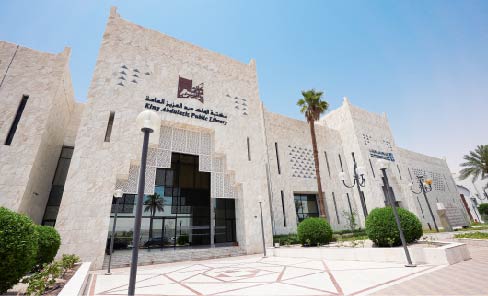
King Abdulaziz Public Library Participates in the International Federation of Library Associations (IFLA 2026) Conference and Exhibition in South Korea
The King Abdulaziz Public Library is participating in the International Federation of Library Associations and Institutions (IFLA) 2026 conference and exhibition—hosted by the city of Busan, South Korea, from August 10 to 13, 2026—as part of its ongoing international presence and its commitment to exchanging expertise and building partnerships with library and knowledge institutions worldwide.
Read More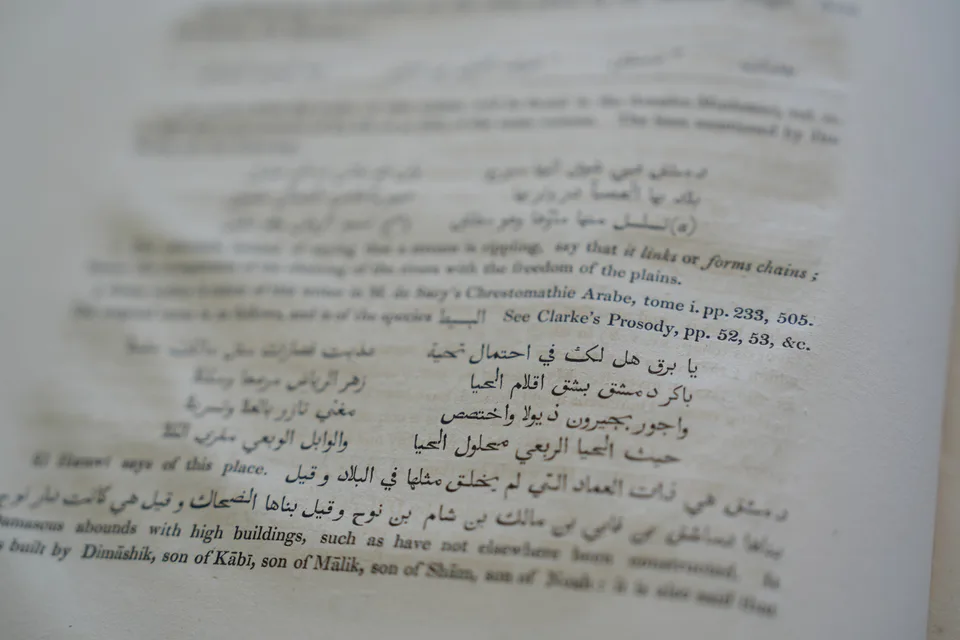
King Abdulaziz Public Library Unveils First Translation of Ibn Battuta’s Travels
King Abdulaziz Public Library in Riyadh has revealed that it has acquired a rare copy of the first printed and widely known English translation of Ibn Battuta’s travels, published 197 years ago, specifically on April 27, 1829.
Read More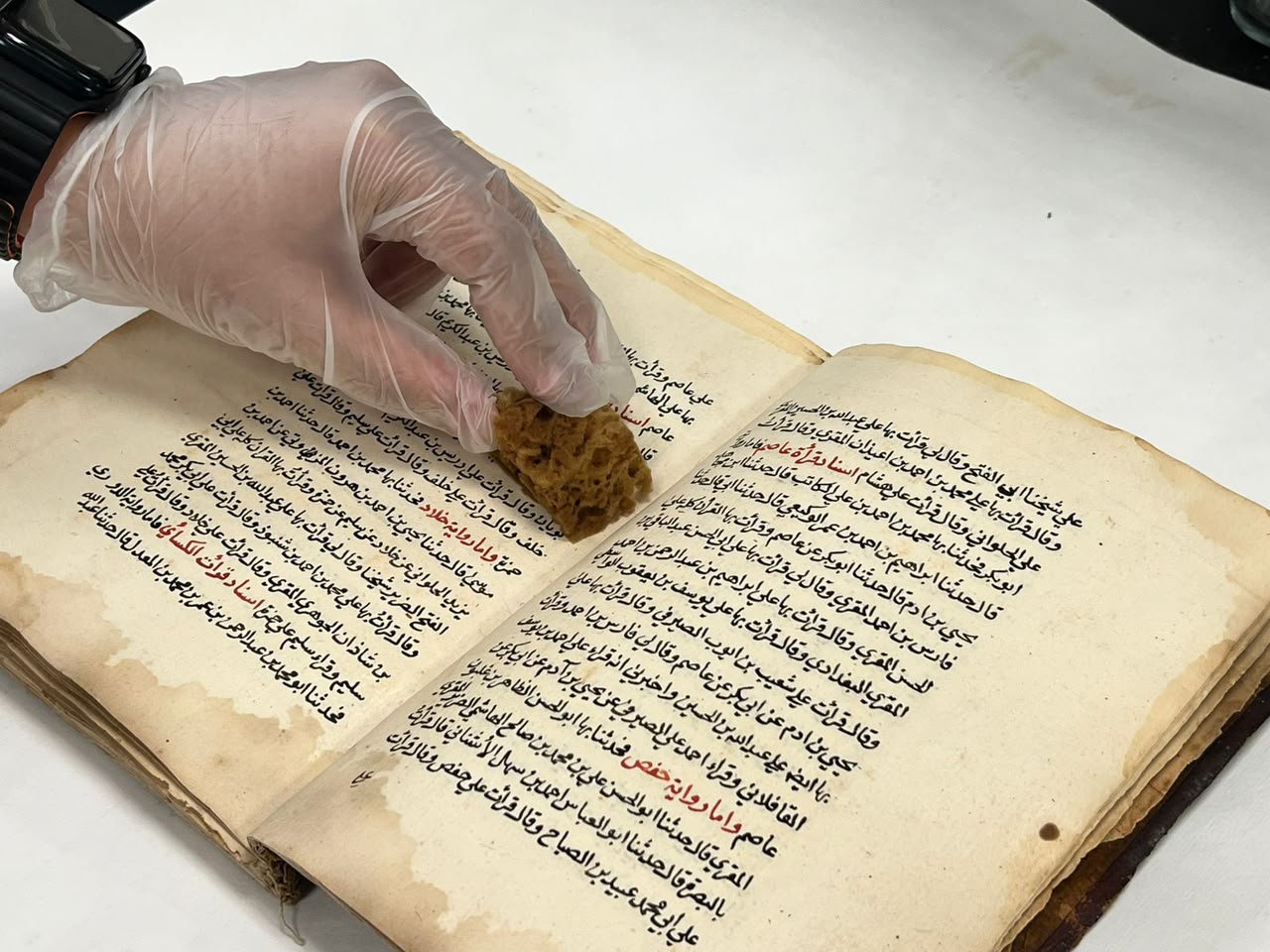
The Restoration Center at the King Abdulaziz Public Library treats over 10,000 cultural heritage items.
The Restoration and Treatment Center at the King Abdulaziz Public Library has achieved a new milestone by restoring and treating over 10,861 items from the library’s collections—including historical photographs, documents, maps, rare books, manuscripts, newspapers, and periodicals. This work was carried out using the latest scientific and professional methods for restoration, treatment, sterilization, and preventive maintenance, thereby helping to preserve these holdings, extend their lifespan, and ensure their sustainability for future generations.
Read More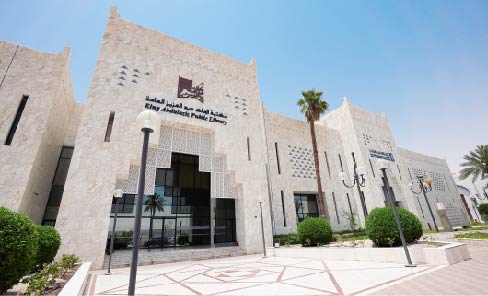
The King Abdulaziz Public Library hosts cultural gatherings and publishes novels for young adults.
The King Abdulaziz Public Library continues to offer diverse cultural and intellectual programs aimed at fostering cultural awareness within the Kingdom, strengthening the cultural elements that bridge heritage and modernity, and showcasing the Kingdom’s cultural identity through activities that promote the presence of national, Arab, Islamic, and global cultures.
Read More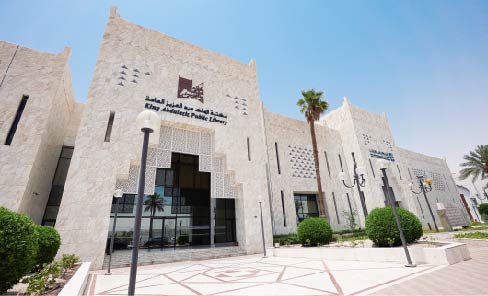
King Abdulaziz Public Library Launches "AI Generation" Summer Camp
The King Abdulaziz Public Library, represented by its General Department for Children, has launched the "AI Generation" summer camp. This distinctive initiative aims to develop the skills of children and youth in the fields of technology, artificial intelligence, and innovation through an educational experience that combines technical, cultural, and recreational elements.
Read More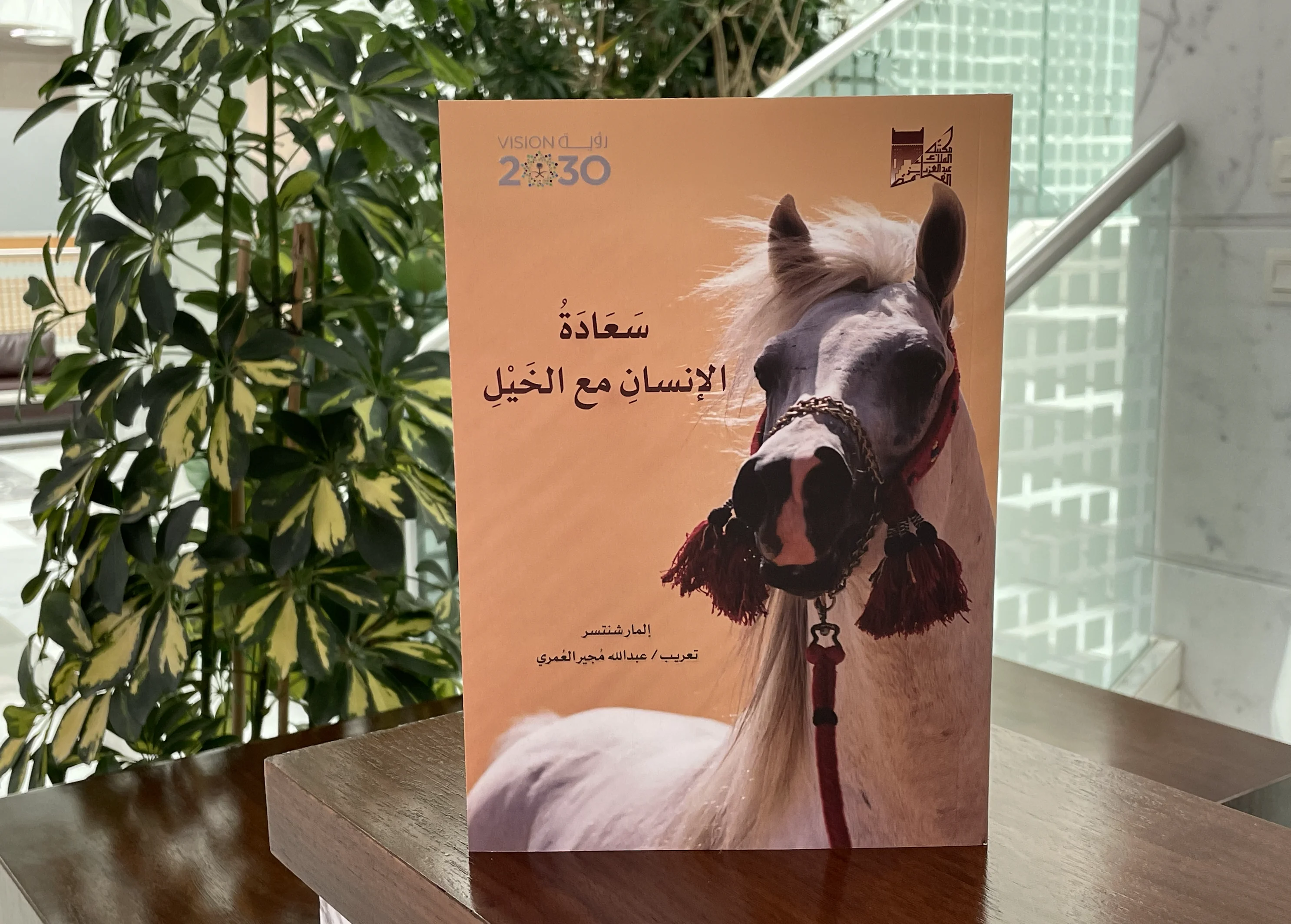
On World Horse Day, the King Abdulaziz Public Library highlights its efforts to document Arabian horse heritage.
On World Horse Day, the King Abdulaziz Public Library highlights its efforts to document Arabian horse heritage.
Read More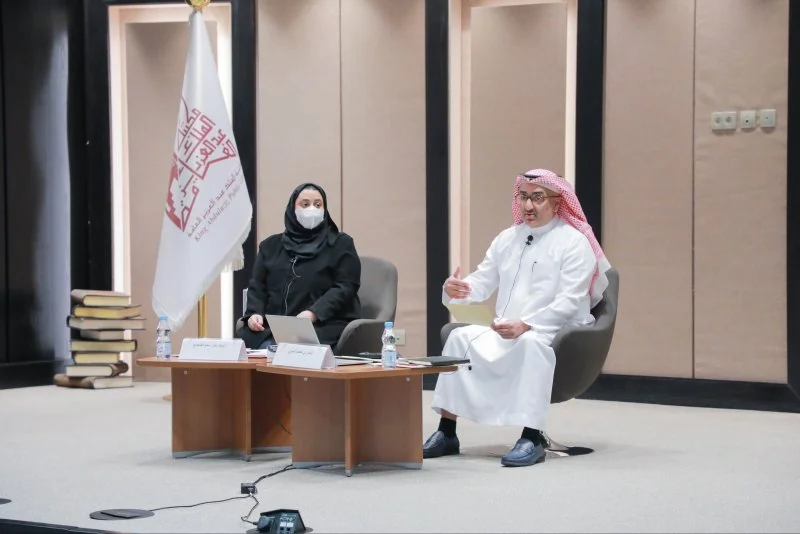
Bandar Al-Harbi discusses transforming events into a national story in a lecture at the King Abdulaziz Library.
Bandar Al-Harbi discusses transforming events into a national story in a lecture at the King Abdulaziz Library.
Read More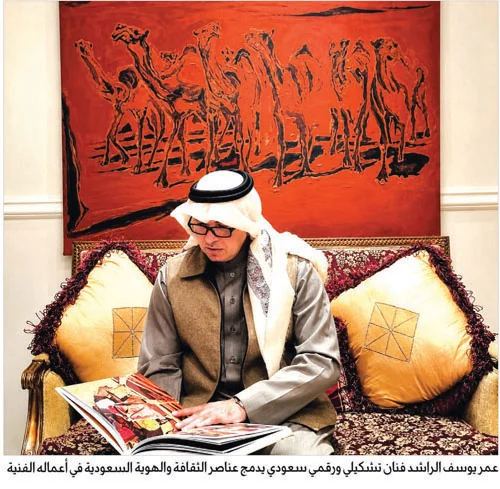
When Camels Become a Language of Beauty... King Abdulaziz Library Explores the Desert’s Memory Through Saudi Art
When Camels Become a Language of Beauty... King Abdulaziz Library Explores the Desert’s Memory Through Saudi Art
Read More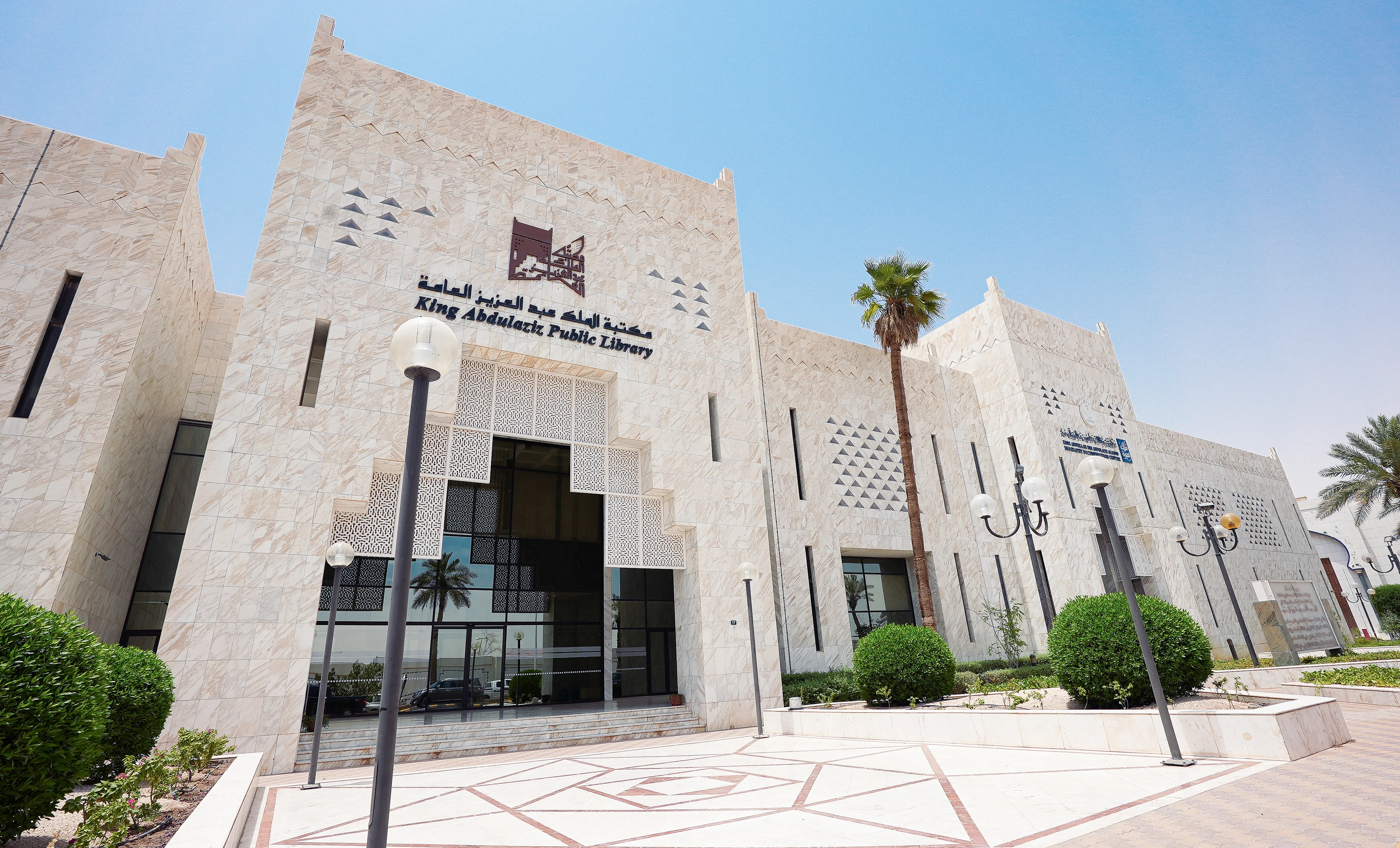
With over 218,000 diverse items, the King Abdulaziz Public Library preserves heritage and renews the national memory.
With over 218,000 diverse items, the King Abdulaziz Public Library preserves heritage and renews the national memory.
Read More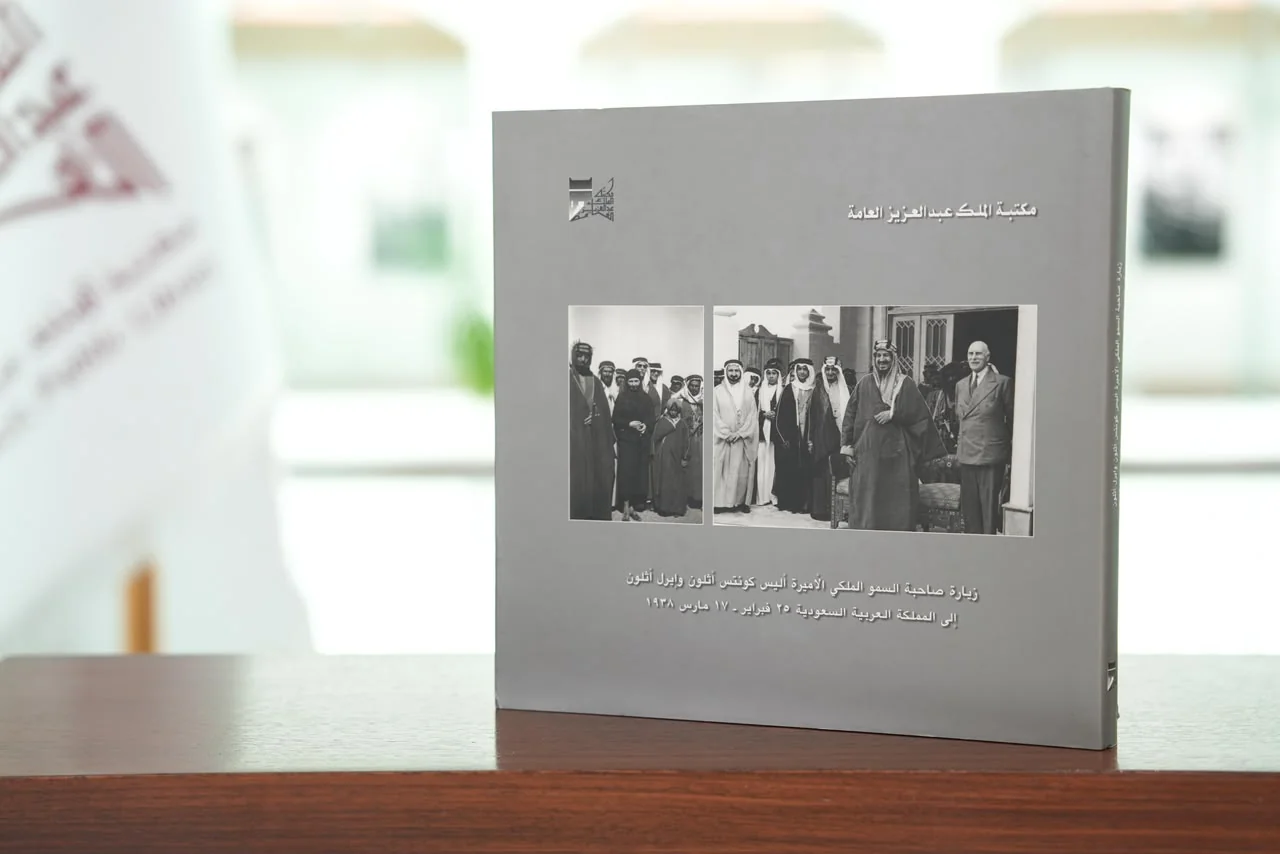
The King Abdulaziz Public Library leads the revival of travel literature and documents the history of the Arabian Peninsula and the Kingdom.
The King Abdulaziz Public Library leads the revival of travel literature and documents the history of the Arabian Peninsula and the Kingdom.
Read More
