

Among the latest publications of the King Abdulaziz Public Library is a book that examines the portrayal of Arabs in Chinese heritage texts.
The King Abdulaziz Public Library has released a new book chronicling Arab-Chinese relations. The work aims to introduce Arab, Islamic, and Chinese civilizations and highlight the ties of cooperation, mutual respect, and shared interests that bind them—relationships rooted in deep history and marked by joint contributions to fields such as astronomy, medicine, and trade. Authored by Chinese researcher Dr. Ding Suning and translated by Dr. Hassanein Fahmy Hussein, the book is titled *Arabs in Chinese Heritage Texts*. The first edition, published in 2025, spans 204 pages and comprises ten chapters. As Dr. Ge Tieying notes in the foreword, the historical material within the book was compiled from over 40 Chinese heritage texts. It covers a span of 2,000 years, ranging from the era of Sima Qian’s *Records of the Grand Historian* (Western Han Dynasty) to Lin Zexu’s *Records of the Four Continents* (late Qing Dynasty). The book is divided into two main parts. The first covers historical material regarding Arabs found in the *Twenty-Four Histories* and the *Zizhi Tongjian* (Comprehensive Mirror in Aid of Government). Citations from the *Twenty-Four Histories* are organized into chapters following the chronological order of the imperial dynasties; each chapter concludes with a brief summary of the exchanges that existed between that specific dynasty and the Arabs. Across its ten chapters, the book examines the portrayal of Arabs in the official histories of the Tang, Yuan, Ming, and Qing dynasties; in the *Zizhi Tongjian* and its supplement, as well as in works documenting Sino-foreign relations; and in ancient Chinese poetry.
Among the states and cities mentioned in the *Zizhi Tongjian* (and related texts on foreign lands) are Malumo (present-day Mirbat, Oman), Binuya (the Maghreb region), Iliu (Iraq), Majia (Mecca), Mulabi (the Almoravid dynasty in Northwest Africa and southern Spain), Sili (Egypt), and Muqala (Morocco). The book—authored in 1225 CE—also references various Arab products, including frankincense, myrrh, ambergris, asafoetida, aloe, coral, pearls, and agarwood.
The texts provide descriptions of aspects of Arab and Islamic civilization—including locations, trade routes, and commodities such as clothing and attire, agricultural produce, gold, silver, and horses. Chinese researcher Ding Suning was born in 1989 in Huangshi, Hubei Province. She holds a PhD and serves as a lecturer and master's student supervisor in the Arabic Department at the School of Foreign Studies, University of International Business and Economics. Her research focuses on Arab history, culture, economy, and society. She has published over ten academic papers in journals such as *World Religious Cultures*, *Arts and Literature*, and *Chinese Muslims*, among others. She has participated in numerous major national and provincial-level social science projects, co-authored and developed more than ten books and educational curricula, and translated books and content totaling over 100,000 characters.
It is worth noting that the King Abdulaziz Public Library opened a branch at Peking University in the People's Republic of China in 2018 to foster cultural ties between the Arab and Islamic worlds and China. The library works on translating Arab creative works into Chinese and translating Chinese books into Arabic, reflecting the fact that both the Arab and Chinese nations possess ancient histories and brilliant civilizations.



Latest New's
View AllStay informed with the latest updates, announcements, and developments from KAPL.
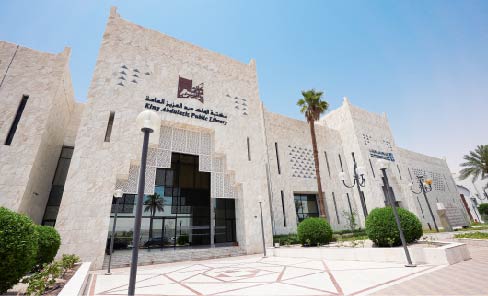
King Abdulaziz Public Library Participates in the International Federation of Library Associations (IFLA 2026) Conference and Exhibition in South Korea
The King Abdulaziz Public Library is participating in the International Federation of Library Associations and Institutions (IFLA) 2026 conference and exhibition—hosted by the city of Busan, South Korea, from August 10 to 13, 2026—as part of its ongoing international presence and its commitment to exchanging expertise and building partnerships with library and knowledge institutions worldwide.
Read More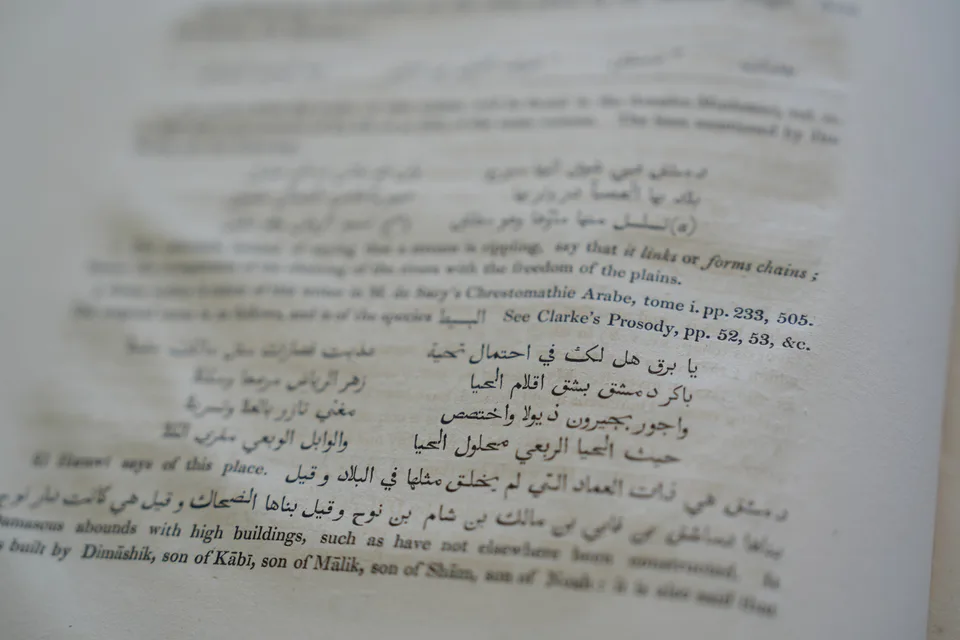
King Abdulaziz Public Library Unveils First Translation of Ibn Battuta’s Travels
King Abdulaziz Public Library in Riyadh has revealed that it has acquired a rare copy of the first printed and widely known English translation of Ibn Battuta’s travels, published 197 years ago, specifically on April 27, 1829.
Read More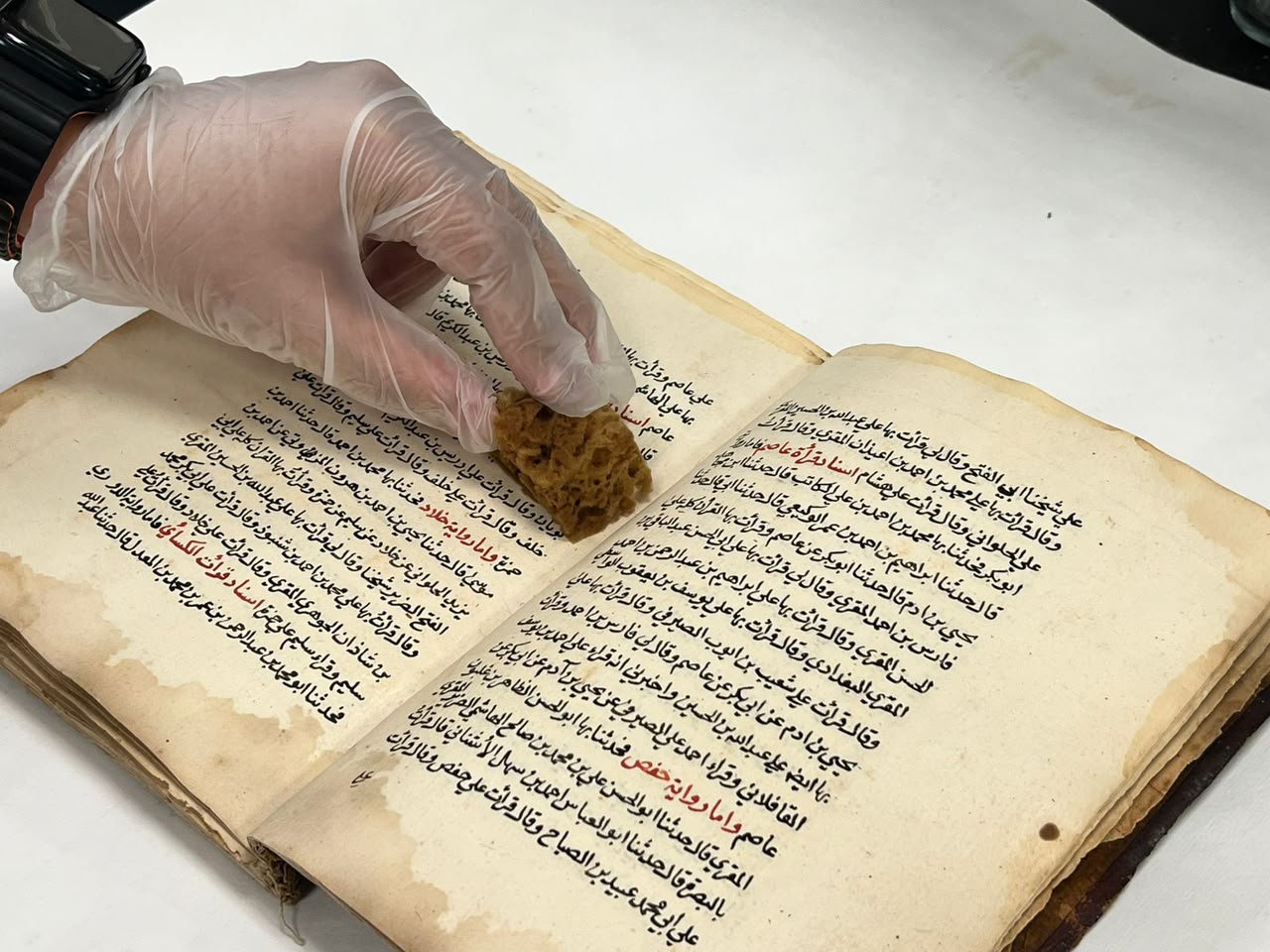
The Restoration Center at the King Abdulaziz Public Library treats over 10,000 cultural heritage items.
The Restoration and Treatment Center at the King Abdulaziz Public Library has achieved a new milestone by restoring and treating over 10,861 items from the library’s collections—including historical photographs, documents, maps, rare books, manuscripts, newspapers, and periodicals. This work was carried out using the latest scientific and professional methods for restoration, treatment, sterilization, and preventive maintenance, thereby helping to preserve these holdings, extend their lifespan, and ensure their sustainability for future generations.
Read More
The King Abdulaziz Public Library hosts cultural gatherings and publishes novels for young adults.
The King Abdulaziz Public Library continues to offer diverse cultural and intellectual programs aimed at fostering cultural awareness within the Kingdom, strengthening the cultural elements that bridge heritage and modernity, and showcasing the Kingdom’s cultural identity through activities that promote the presence of national, Arab, Islamic, and global cultures.
Read More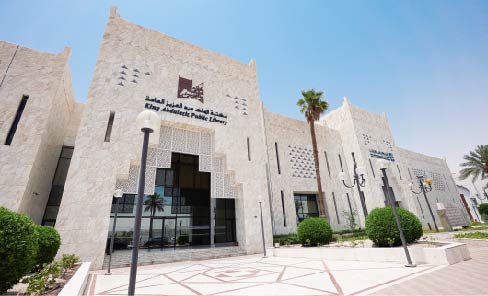
King Abdulaziz Public Library Launches "AI Generation" Summer Camp
The King Abdulaziz Public Library, represented by its General Department for Children, has launched the "AI Generation" summer camp. This distinctive initiative aims to develop the skills of children and youth in the fields of technology, artificial intelligence, and innovation through an educational experience that combines technical, cultural, and recreational elements.
Read More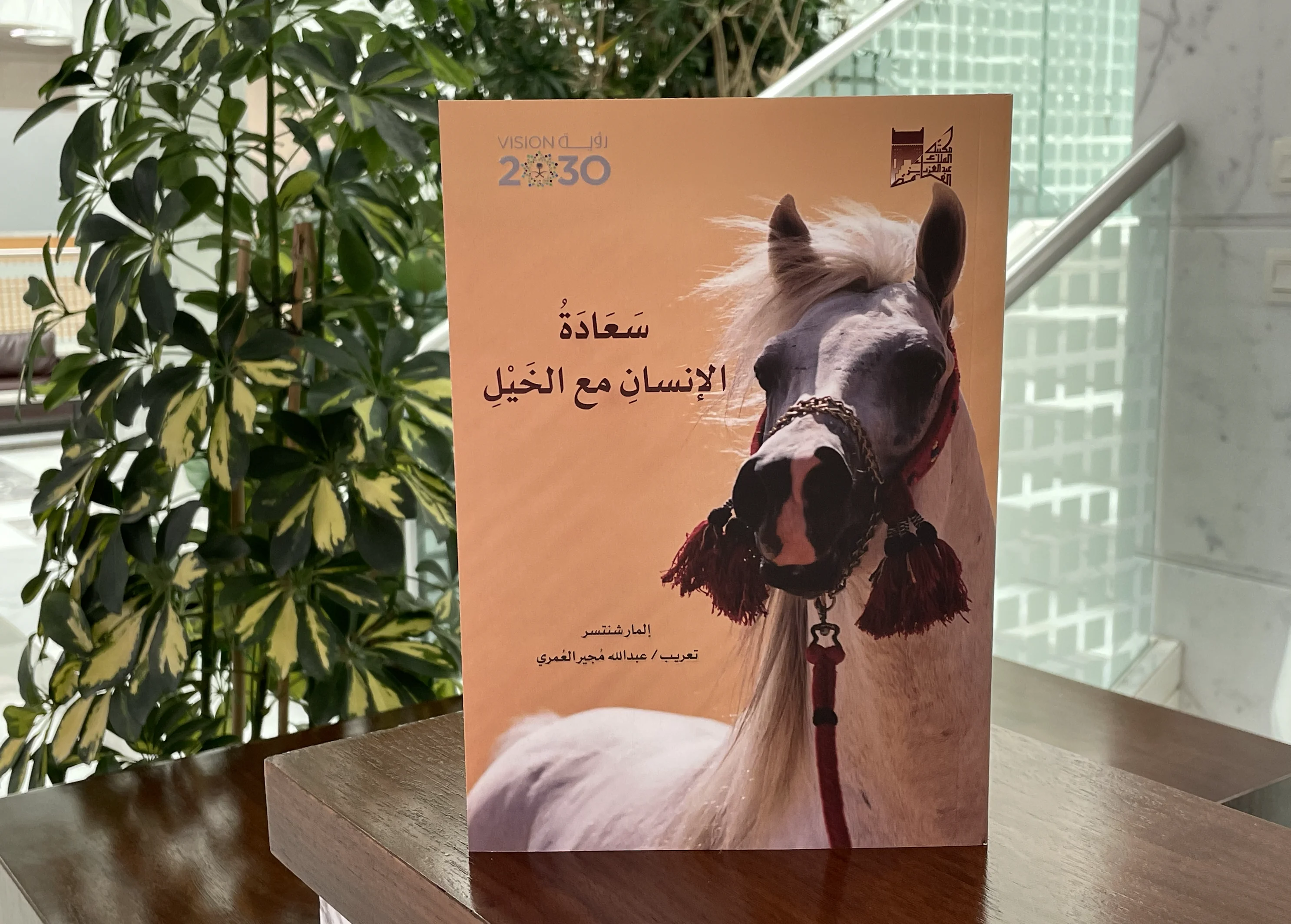
On World Horse Day, the King Abdulaziz Public Library highlights its efforts to document Arabian horse heritage.
On World Horse Day, the King Abdulaziz Public Library highlights its efforts to document Arabian horse heritage.
Read More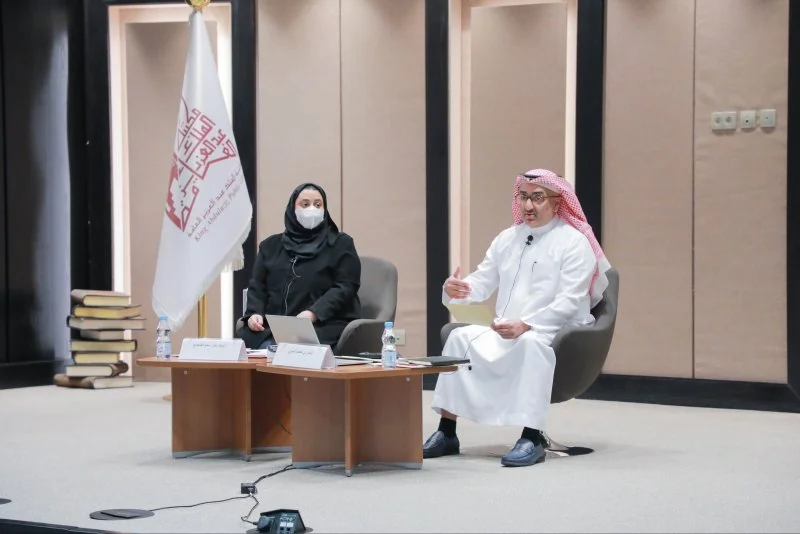
Bandar Al-Harbi discusses transforming events into a national story in a lecture at the King Abdulaziz Library.
Bandar Al-Harbi discusses transforming events into a national story in a lecture at the King Abdulaziz Library.
Read More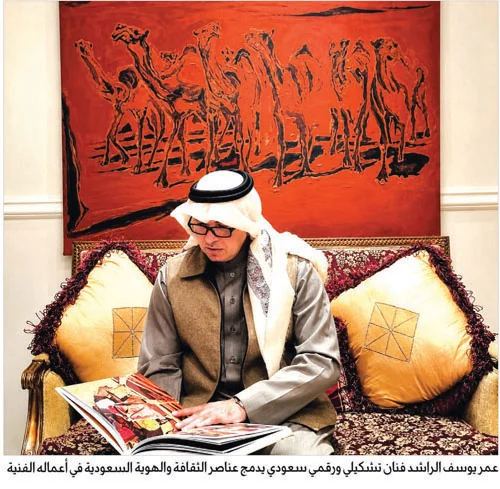
When Camels Become a Language of Beauty... King Abdulaziz Library Explores the Desert’s Memory Through Saudi Art
When Camels Become a Language of Beauty... King Abdulaziz Library Explores the Desert’s Memory Through Saudi Art
Read More
With over 218,000 diverse items, the King Abdulaziz Public Library preserves heritage and renews the national memory.
With over 218,000 diverse items, the King Abdulaziz Public Library preserves heritage and renews the national memory.
Read More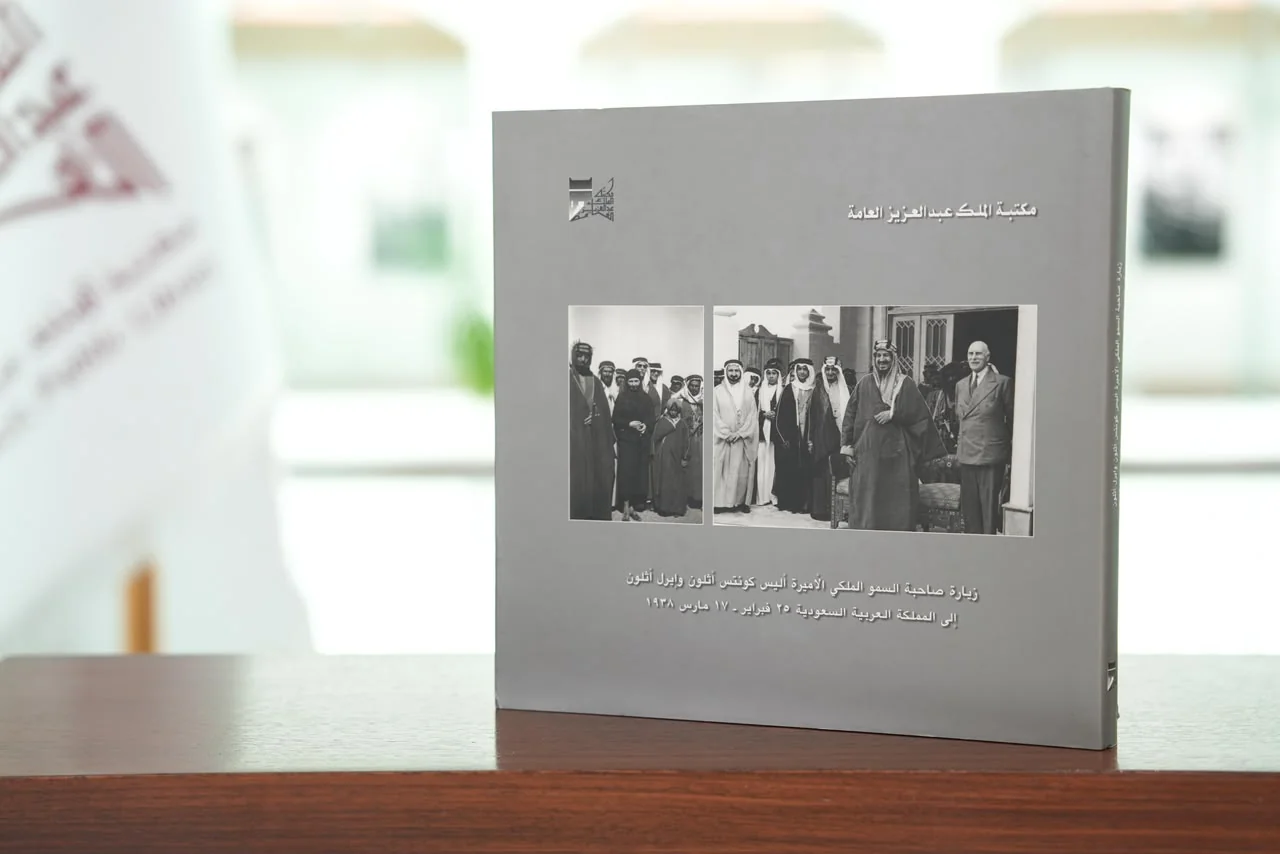
The King Abdulaziz Public Library leads the revival of travel literature and documents the history of the Arabian Peninsula and the Kingdom.
The King Abdulaziz Public Library leads the revival of travel literature and documents the history of the Arabian Peninsula and the Kingdom.
Read More
