
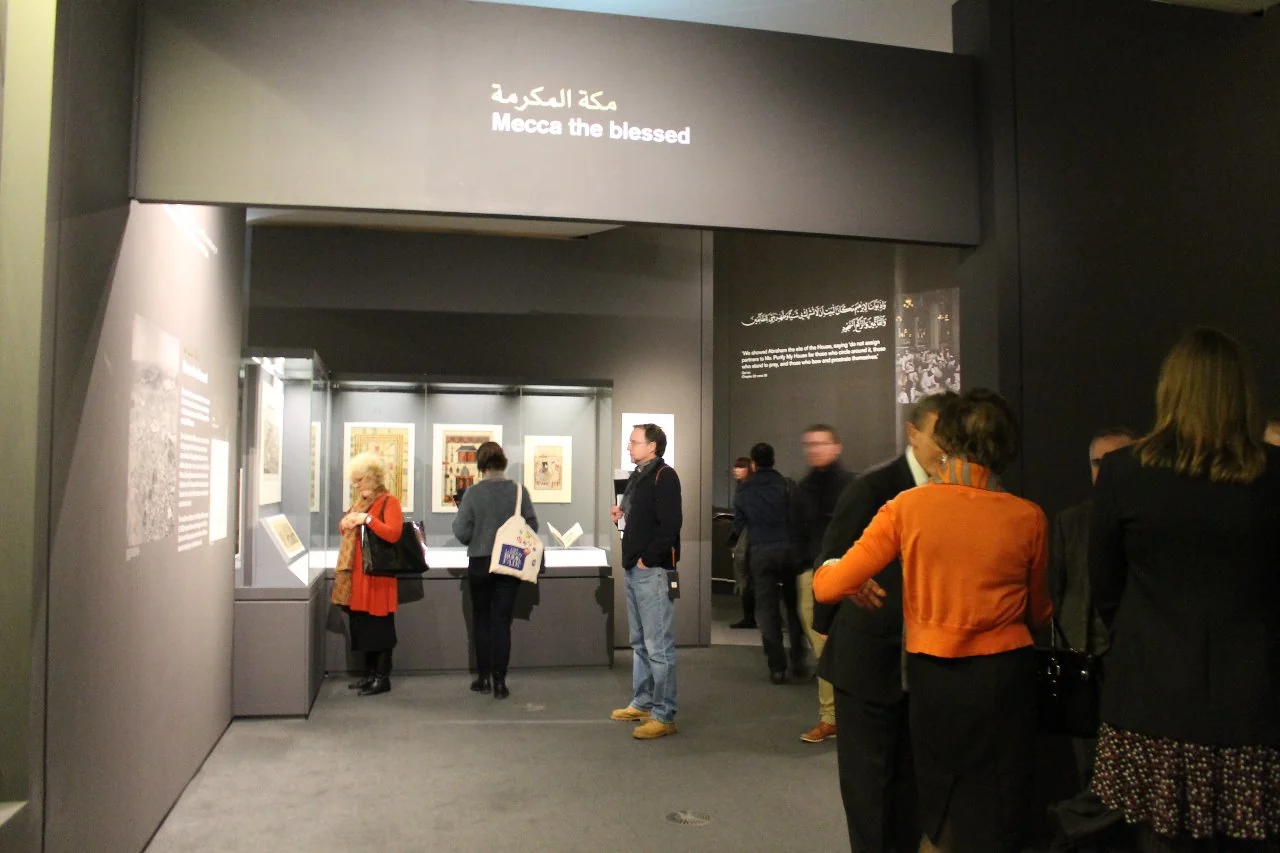
Library holds Hajj exhibitions to promote knowledge
The King Abdulaziz Public Library has organized several exhibitions on Hajj, selecting their displays from among the three million diverse knowledge resources held by the library. These exhibitions showcase collections related to the Hajj pilgrimage and the Two Holy Mosques, documenting the sites associated with the performance of Hajj, from the Holy Kaaba to Mina and the standing at Mount Arafat. They also highlight the significance of the Hajj sites and the virtues of Makkah and Madinah, in addition to displaying collections of photographs, manuscripts, rare books, and Saudi currency known as “Hajj Receipts.” The library has previously organized several Hajj exhibitions both within Saudi Arabia and abroad.
The exhibition Hajj: Journey to the Heart of the Islamic World, organized by the library in cooperation with the British Museum in London from 3 Rabi’ al-Awwal to 23 Jumada al-Awwal 1433 AH, corresponding to January 26 to April 15, 2012, presented a unique cultural and spiritual experience. It combined the depth and sanctity of the pilgrimage with messages of human coexistence and intercultural dialogue. The exhibition received widespread attention within European cultural and media circles.
The King Abdulaziz Public Library coordinated the Saudi participation, which included several national institutions, including the National Museum, King Saud University, and the General Presidency for the Affairs of the Grand Mosque and the Prophet’s Mosque.
The library also held a special event in London attended by Prince Edward, Duke of Kent, along with several members of the British Parliament. They praised the Kingdom’s efforts in serving the Two Holy Mosques and caring for pilgrims and Umrah performers.
The exhibition was officially opened by King Charles, who was then the Crown Prince of Britain and Prince of Wales. In his speech, he praised the tolerance of Islam and the unifying spirit of Hajj, emphasizing that the journey to Makkah is not merely a physical journey, but also a spiritual journey to the heart of faith.
The Saudi pavilion presented approximately 51 rare archaeological artifacts, documentary materials, and historical and contemporary photographs of the Two Holy Mosques and the sacred sites, along with a model depicting the expansion of the Grand Mosque, which served as a central visual feature of the exhibition.
The library prepared documentary booklets in both Arabic and English, distributing more than 120,000 copies, as well as 180,000 rare postcards, representing an unprecedented effort to introduce audiences to Hajj and the Kingdom’s development projects related to the pilgrimage.
The exhibition attracted an unprecedented number of visitors in the history of the British Museum, with more than 120,000 visitors attending over twelve weeks, including cultural, academic, and media figures from around the world.
Following the remarkable success of the Hajj exhibition at the British Museum in London in 2012, the French capital, Paris, became the second stop in the journey of this major cultural and humanitarian event, reaffirming its global mission of introducing people around the world to Hajj as the fifth pillar of Islam.
The Arab World Institute in Paris was selected to host this unique exhibition, titled Hajj: Journey to the Heart of Islam. The exhibition aimed to present Hajj as a spiritual, religious, and human journey in which the values of equality and human understanding are manifested. It also highlighted Hajj as the world’s largest annual gathering, bringing together millions of Muslims from across the globe in devotion to the oneness of God.
The exhibition sought to deepen European understanding of Islamic culture through a sophisticated artistic and cultural presentation that combined historical documents, archaeological artifacts, and modern visual experiences, expressing the essence of Islam in its broad and humanistic form.
The exhibition was organized around three main themes designed to provide visitors with a comprehensive intellectual and spiritual journey: the history and routes of Hajj; the Hajj experience and its human meanings; and Makkah: the global city. It featured rare archaeological and artistic artifacts collected from museums and private collections in Saudi Arabia and around the world. These included ancient manuscripts documenting Hajj journeys throughout history, maps and traditional means of transportation used by pilgrims, models of the Holy Kaaba and the sacred sites, as well as artworks and rare photographs documenting the development of Hajj and its seasons. Modern digital media and interactive display technologies were also used, allowing visitors to experience Hajj visually and intellectually through a combination of history, art, and technology.
The Paris exhibition attracted a large audience from France and across Europe and became a major cultural event in the Parisian scene in 1435 AH / 2014. It received extensive coverage from major French media outlets. Several newspapers noted that the exhibition presented Islam in an elevated humanistic form and portrayed Hajj as a universal spiritual journey embodying the values of equality and peace.
At one of its Hajj exhibitions held in Riyadh in 1444 AH / 2023, the library displayed 40 rare photographs of the Hajj season and the Two Holy Mosques taken by renowned travelers who visited Saudi Arabia before and after the Kingdom’s founding. It also displayed a collection of photographs documenting various scenes from the Hajj of 1354 AH, corresponding to 1936. The collection included photographs taken by the Egyptian Hajj Mission in 1936, including a photograph of the Holy Kaaba that year; a photograph of pilgrims after standing at Mount Arafat before descending toward Mina and Muzdalifah; a photograph of pilgrims in Mina; a photograph of members of the Egyptian honorary delegation in 1936; a photograph of one of the gates of the Holy Mosque; and other rare photographs.



Latest New's
View AllStay informed with the latest updates, announcements, and developments from KAPL.
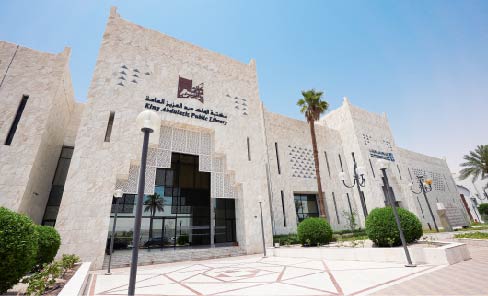
King Abdulaziz Public Library Participates in the International Federation of Library Associations (IFLA 2026) Conference and Exhibition in South Korea
The King Abdulaziz Public Library is participating in the International Federation of Library Associations and Institutions (IFLA) 2026 conference and exhibition—hosted by the city of Busan, South Korea, from August 10 to 13, 2026—as part of its ongoing international presence and its commitment to exchanging expertise and building partnerships with library and knowledge institutions worldwide.
Read More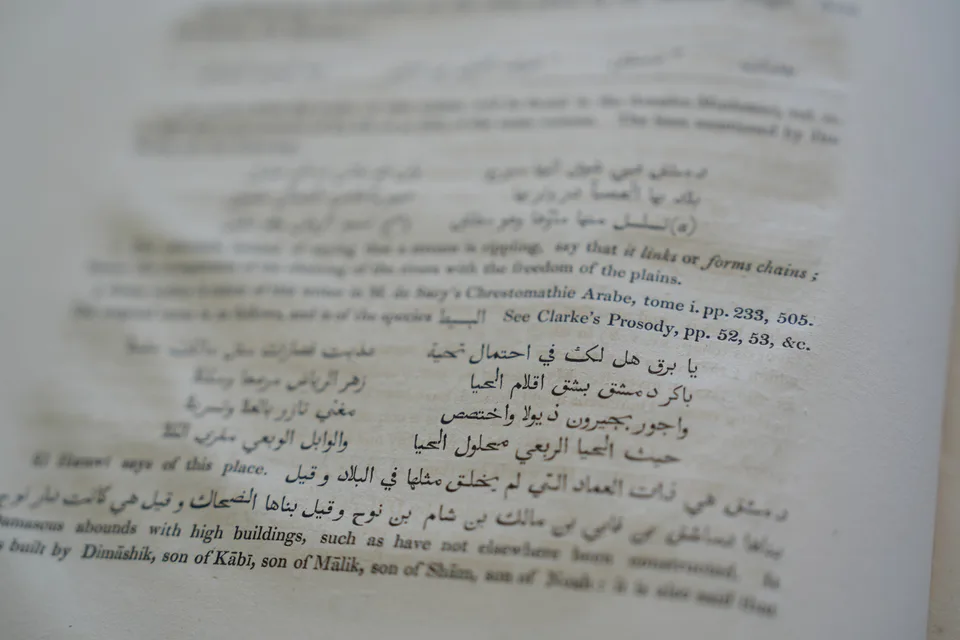
King Abdulaziz Public Library Unveils First Translation of Ibn Battuta’s Travels
King Abdulaziz Public Library in Riyadh has revealed that it has acquired a rare copy of the first printed and widely known English translation of Ibn Battuta’s travels, published 197 years ago, specifically on April 27, 1829.
Read More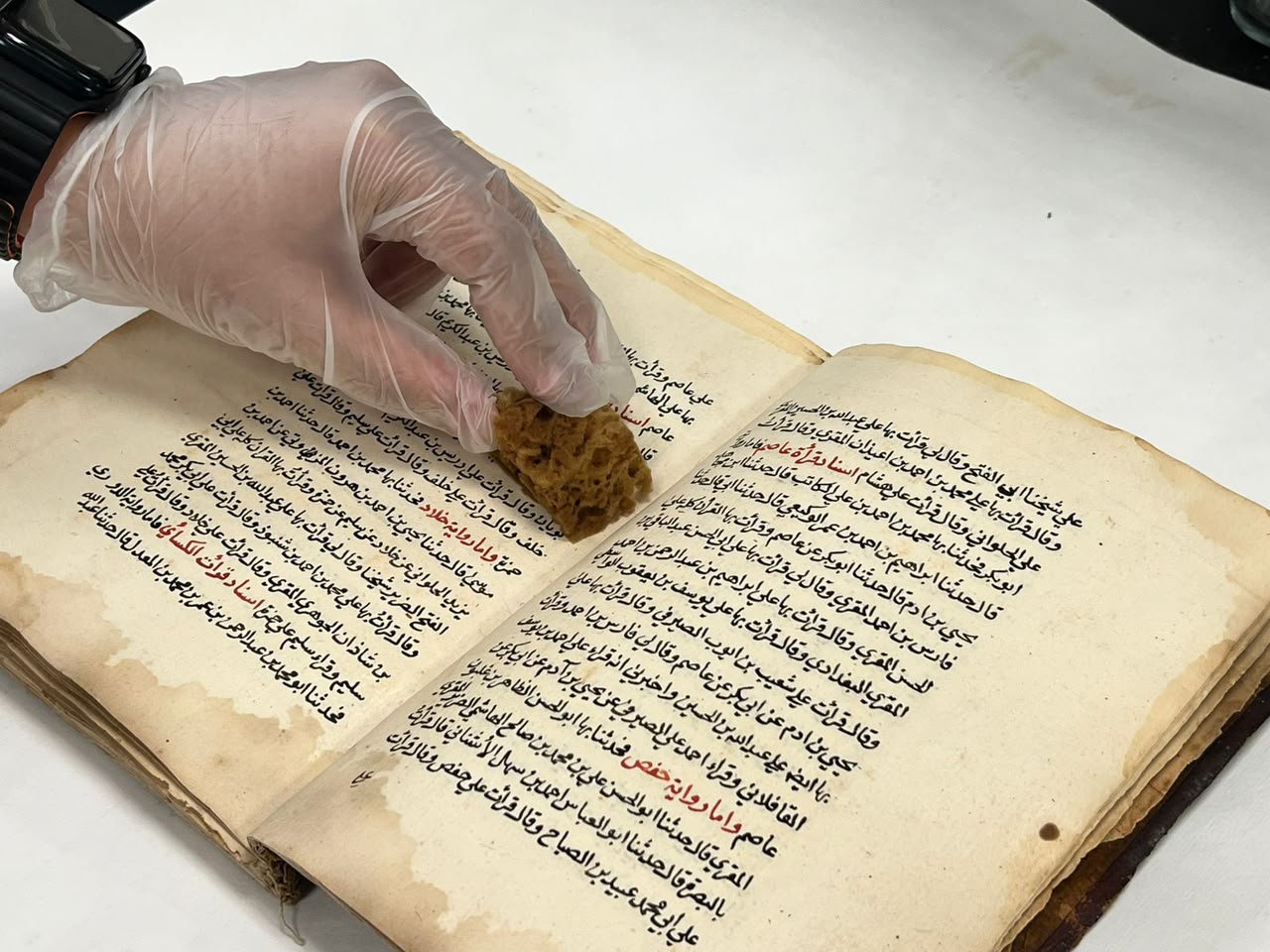
The Restoration Center at the King Abdulaziz Public Library treats over 10,000 cultural heritage items.
The Restoration and Treatment Center at the King Abdulaziz Public Library has achieved a new milestone by restoring and treating over 10,861 items from the library’s collections—including historical photographs, documents, maps, rare books, manuscripts, newspapers, and periodicals. This work was carried out using the latest scientific and professional methods for restoration, treatment, sterilization, and preventive maintenance, thereby helping to preserve these holdings, extend their lifespan, and ensure their sustainability for future generations.
Read More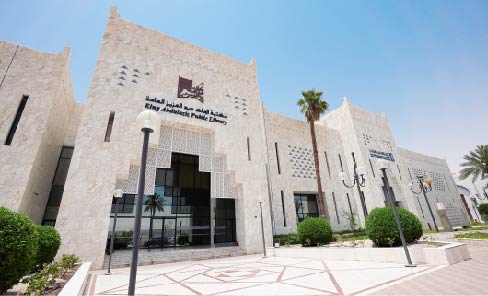
The King Abdulaziz Public Library hosts cultural gatherings and publishes novels for young adults.
The King Abdulaziz Public Library continues to offer diverse cultural and intellectual programs aimed at fostering cultural awareness within the Kingdom, strengthening the cultural elements that bridge heritage and modernity, and showcasing the Kingdom’s cultural identity through activities that promote the presence of national, Arab, Islamic, and global cultures.
Read More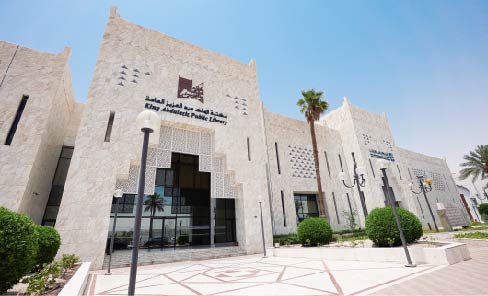
King Abdulaziz Public Library Launches "AI Generation" Summer Camp
The King Abdulaziz Public Library, represented by its General Department for Children, has launched the "AI Generation" summer camp. This distinctive initiative aims to develop the skills of children and youth in the fields of technology, artificial intelligence, and innovation through an educational experience that combines technical, cultural, and recreational elements.
Read More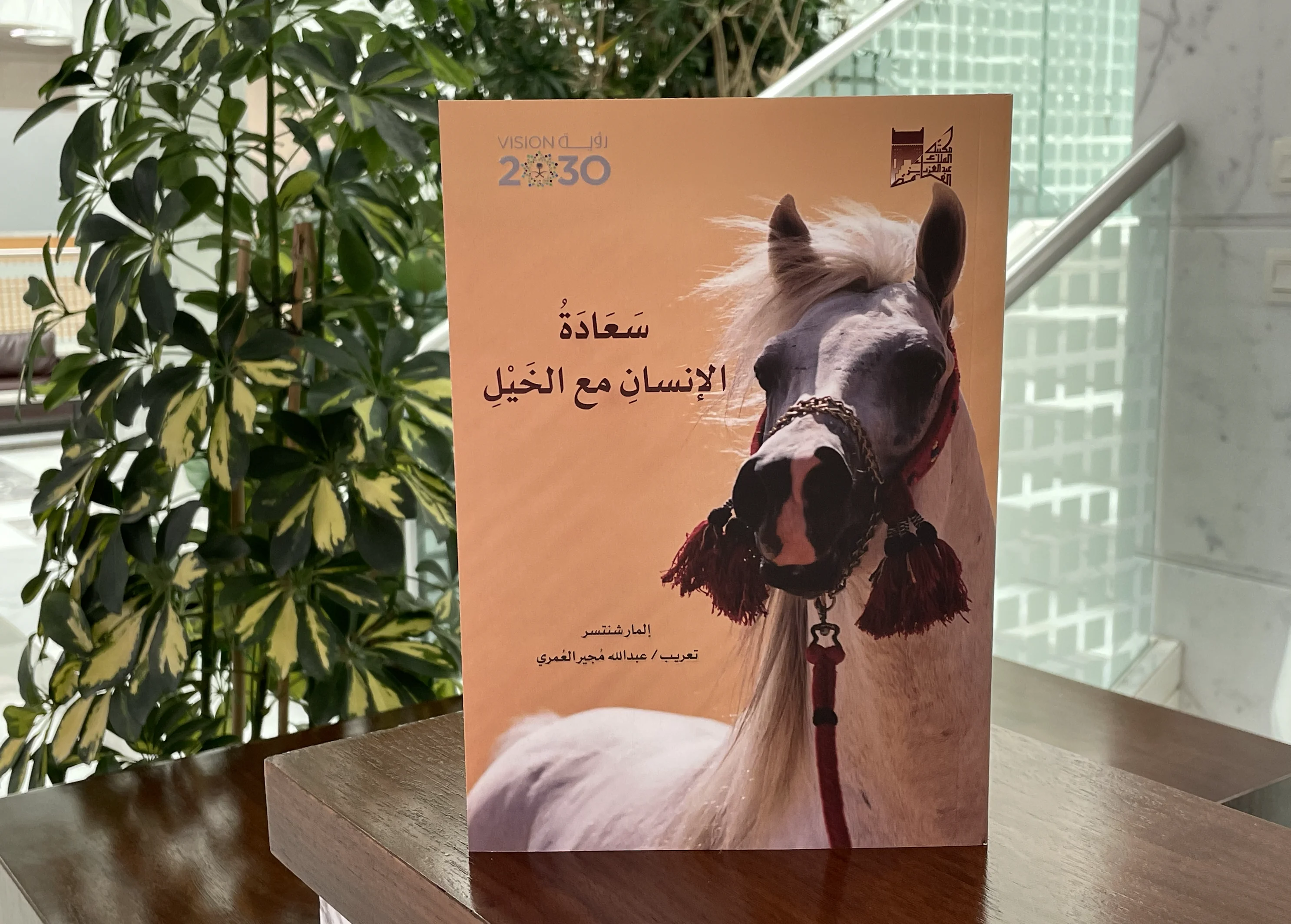
On World Horse Day, the King Abdulaziz Public Library highlights its efforts to document Arabian horse heritage.
On World Horse Day, the King Abdulaziz Public Library highlights its efforts to document Arabian horse heritage.
Read More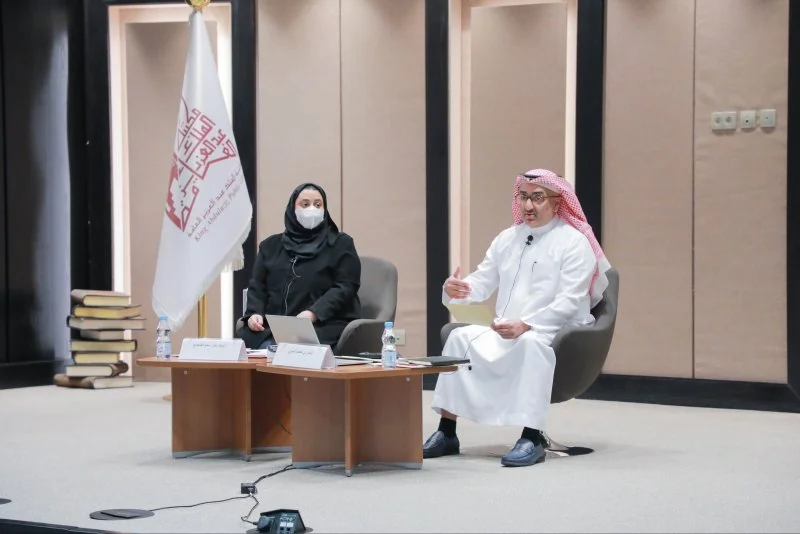
Bandar Al-Harbi discusses transforming events into a national story in a lecture at the King Abdulaziz Library.
Bandar Al-Harbi discusses transforming events into a national story in a lecture at the King Abdulaziz Library.
Read More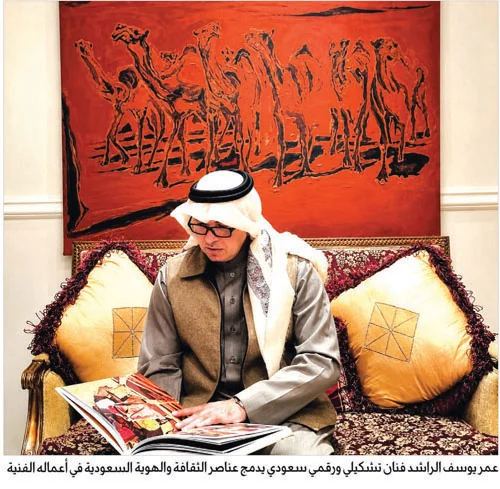
When Camels Become a Language of Beauty... King Abdulaziz Library Explores the Desert’s Memory Through Saudi Art
When Camels Become a Language of Beauty... King Abdulaziz Library Explores the Desert’s Memory Through Saudi Art
Read More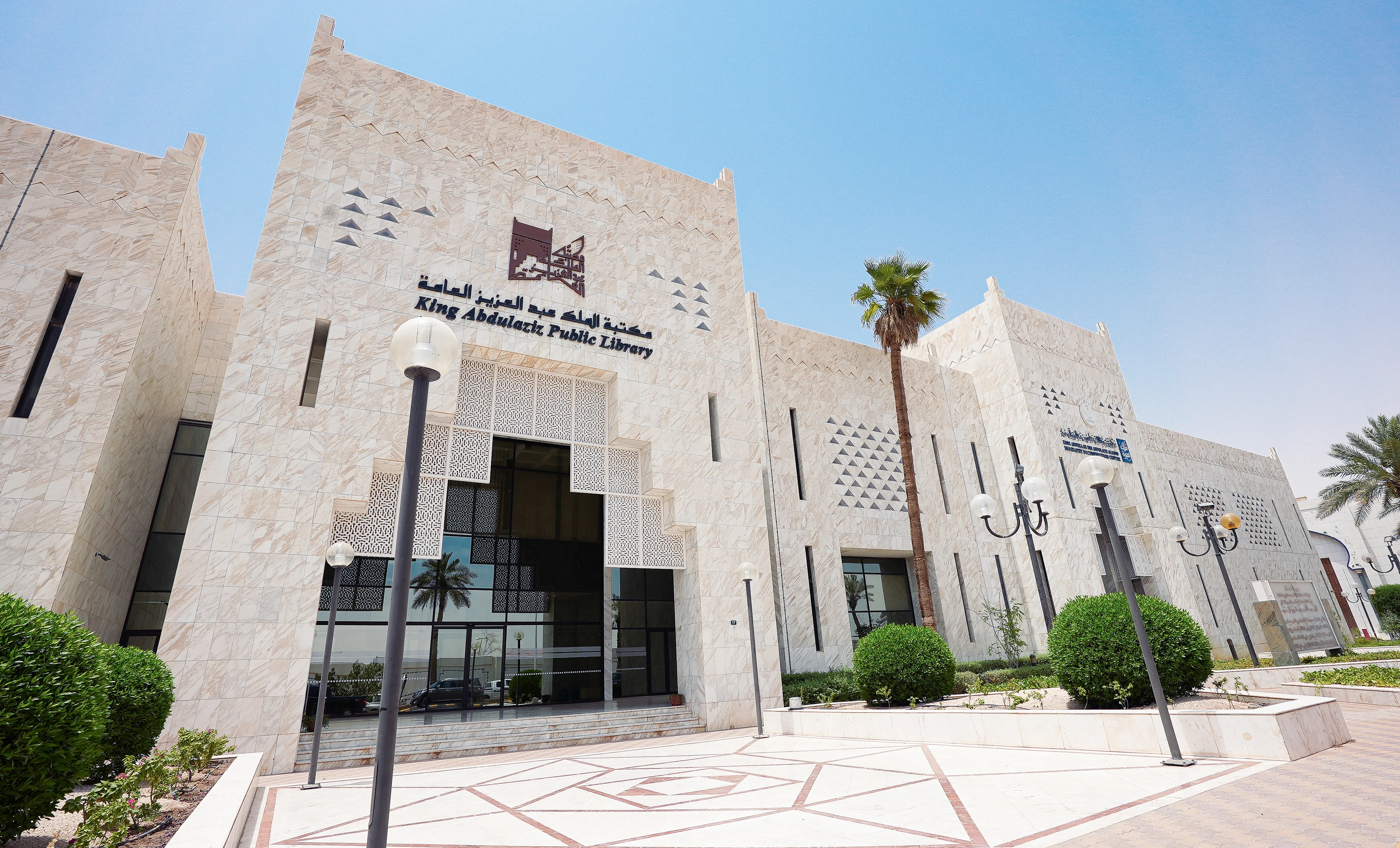
With over 218,000 diverse items, the King Abdulaziz Public Library preserves heritage and renews the national memory.
With over 218,000 diverse items, the King Abdulaziz Public Library preserves heritage and renews the national memory.
Read More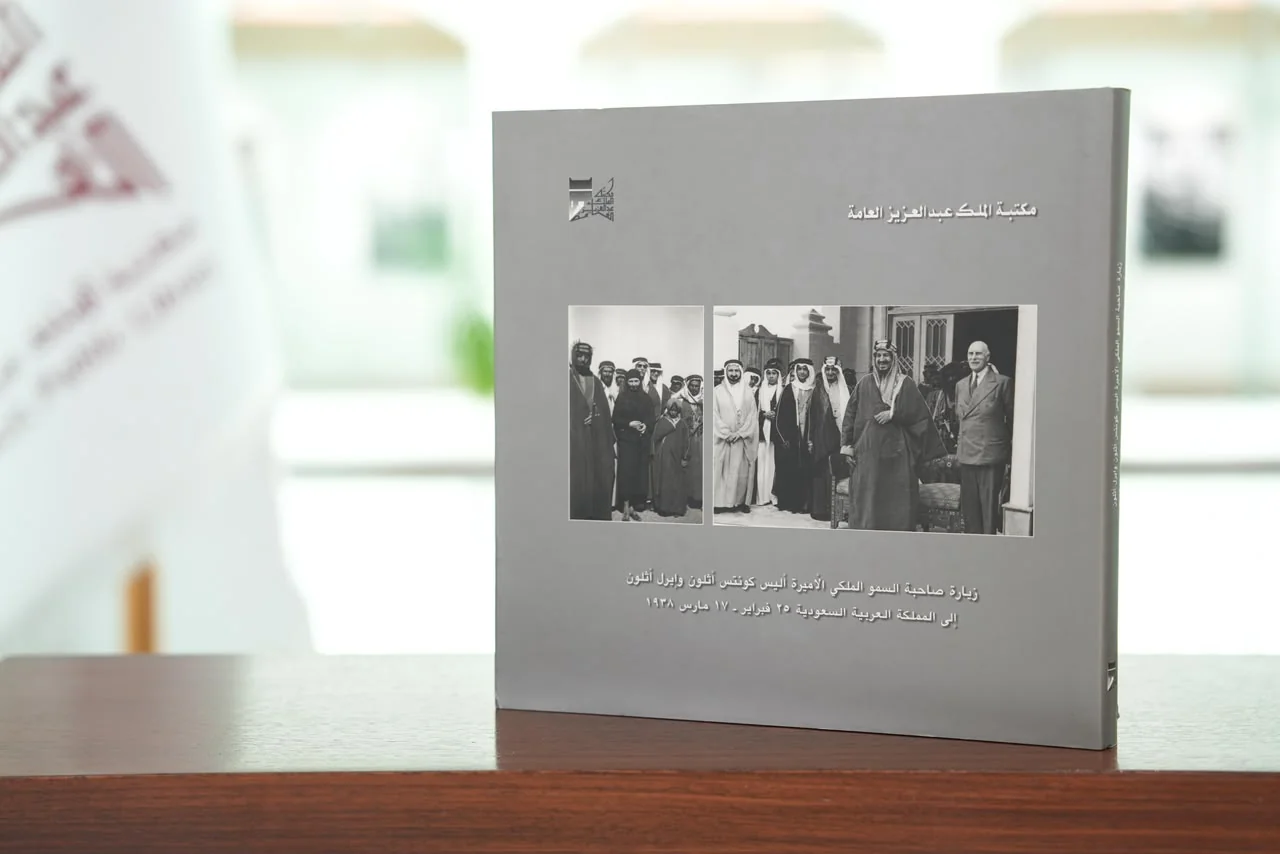
The King Abdulaziz Public Library leads the revival of travel literature and documents the history of the Arabian Peninsula and the Kingdom.
The King Abdulaziz Public Library leads the revival of travel literature and documents the history of the Arabian Peninsula and the Kingdom.
Read More
