

The book *Furusiyya* (Horsemanship), published by the King Abdulaziz Public Library, is a rich heritage artifact held in the collections of museums worldwide.
“Horsemanship,” published by the King Abdulaziz Public Library in both Arabic and English editions, is considered one of its richest books. It contains a wealth of information and historical accounts about Arabian horses and horsemanship, as well as hundreds of heritage images, inscriptions, and sculptures filled with artistic elements and features depicting Arabian horses.
The book, prepared by a committee consisting of 19 prominent figures, scholars, and specialists, was divided into two large volumes. Cultural and photographic materials were also contributed by centers, museums, and libraries from 17 Arab and foreign countries. The editorial work and supervision of the content were undertaken by Dr. Shihab Al-Sarraf, David Alexander, and a large number of researchers from Spain, Australia, Italy, Portugal, Belgium, Denmark, the United Arab Emirates, Russia, Saudi Arabia, Egypt, the United Kingdom, Austria, the Netherlands, the United States, and Greece.
The first volume contains 29 scholarly articles and contributions prepared by a distinguished group of academics specializing in the history of horses from around the world. The second volume is an illustrated catalogue of historical artifacts, paintings, and documents that had not previously been documented.
The book, which consists of 566 pages, contains a rare collection of artistic miniatures depicting horses in travel, battles, and wars, as well as in the desert and various other settings. These miniatures pay remarkable attention to even the smallest details and features.
The miniatures appear on pages 104–139 in a chapter entitled “The Literature of Horsemanship in the Abbasid and Mamluk Periods,” written by Dr. Shihab Al-Sarraf. The chapter includes 18 diverse miniatures in which their artists documented and depicted various aspects of horses and scenes of horsemanship. The first miniature portrays a horseman wielding a sword and shield while riding a powerful galloping horse. The image is taken from the book “Nihayat al-Su’al wa al-Umniyah” by Al-Aqsarai, from a copy dated 767 AH and preserved at the Chester Beatty Library in Dublin.
The miniatures depict horses in various colors, including brown and black, as well as different forms of combat practiced by horsemen. They illustrate variations in techniques, including combat with swords, spears, and arrows, striking the target during training, practicing the use of the mace, and struggles involving horses.
The King Abdulaziz Public Library possesses a large number of manuscripts and books containing examples of this rich Arab-Islamic artistic tradition: the art of miniatures and decorative illustration, which relies on drawings, ornaments, and embellishments accompanying books and written texts. Miniatures are distinguished by their precise drawing, coloring, and variety of images and calligraphic styles, as well as their multicolored decorative margins, patterns, and figures. This was an art in which numerous skilled calligraphers and artists excelled during earlier Islamic periods, using it to adorn books and manuscripts.



Latest New's
View AllStay informed with the latest updates, announcements, and developments from KAPL.
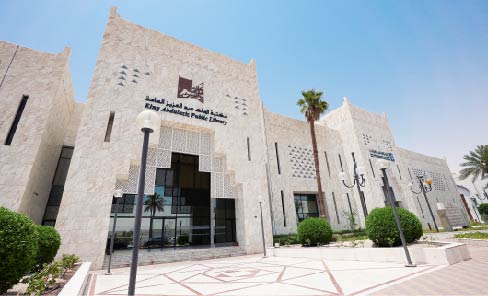
King Abdulaziz Public Library Participates in the International Federation of Library Associations (IFLA 2026) Conference and Exhibition in South Korea
The King Abdulaziz Public Library is participating in the International Federation of Library Associations and Institutions (IFLA) 2026 conference and exhibition—hosted by the city of Busan, South Korea, from August 10 to 13, 2026—as part of its ongoing international presence and its commitment to exchanging expertise and building partnerships with library and knowledge institutions worldwide.
Read More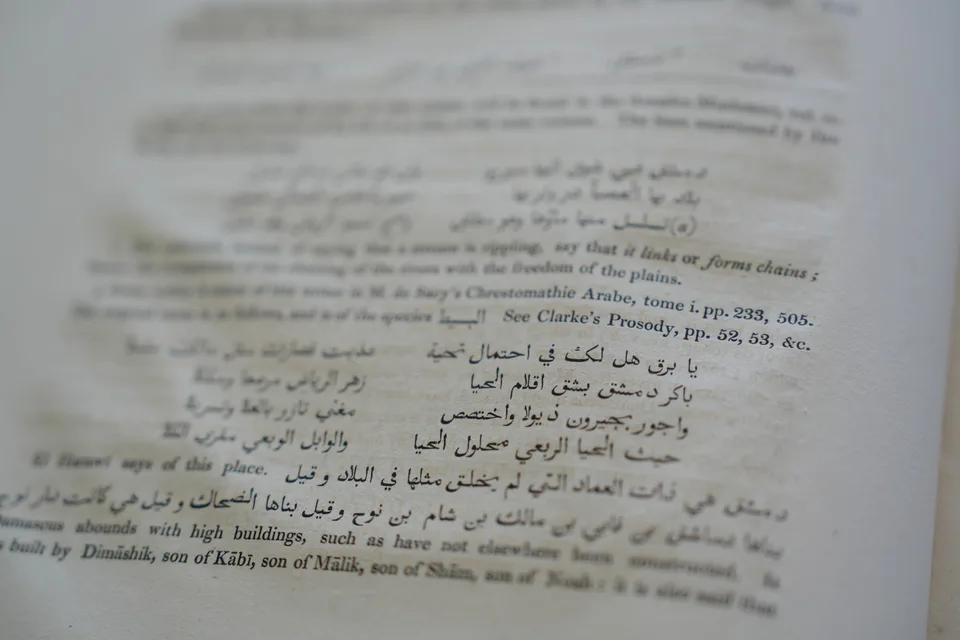
King Abdulaziz Public Library Unveils First Translation of Ibn Battuta’s Travels
King Abdulaziz Public Library in Riyadh has revealed that it has acquired a rare copy of the first printed and widely known English translation of Ibn Battuta’s travels, published 197 years ago, specifically on April 27, 1829.
Read More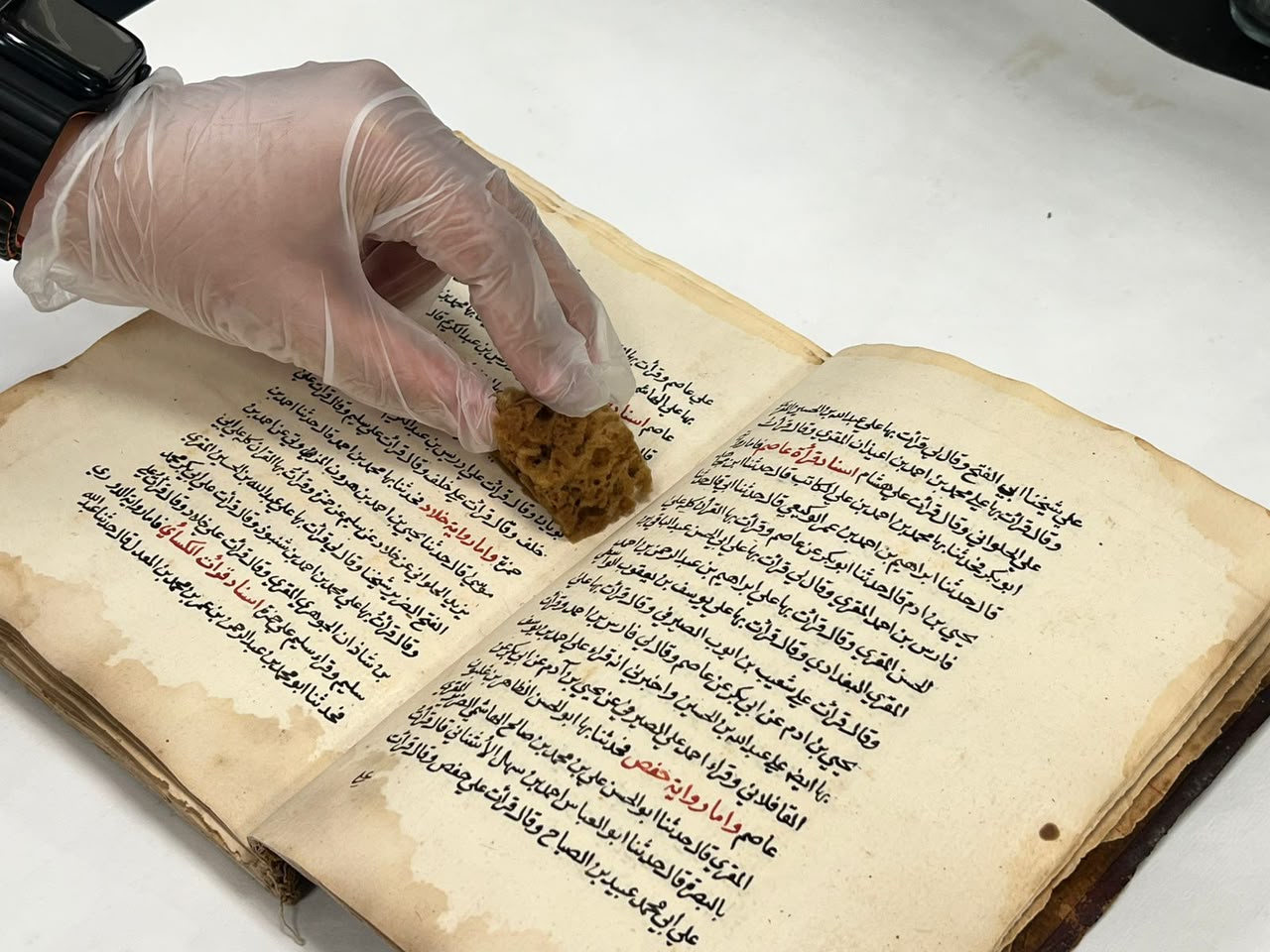
The Restoration Center at the King Abdulaziz Public Library treats over 10,000 cultural heritage items.
The Restoration and Treatment Center at the King Abdulaziz Public Library has achieved a new milestone by restoring and treating over 10,861 items from the library’s collections—including historical photographs, documents, maps, rare books, manuscripts, newspapers, and periodicals. This work was carried out using the latest scientific and professional methods for restoration, treatment, sterilization, and preventive maintenance, thereby helping to preserve these holdings, extend their lifespan, and ensure their sustainability for future generations.
Read More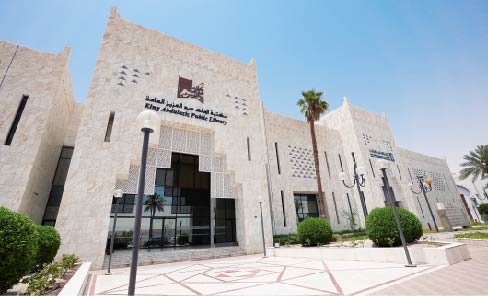
The King Abdulaziz Public Library hosts cultural gatherings and publishes novels for young adults.
The King Abdulaziz Public Library continues to offer diverse cultural and intellectual programs aimed at fostering cultural awareness within the Kingdom, strengthening the cultural elements that bridge heritage and modernity, and showcasing the Kingdom’s cultural identity through activities that promote the presence of national, Arab, Islamic, and global cultures.
Read More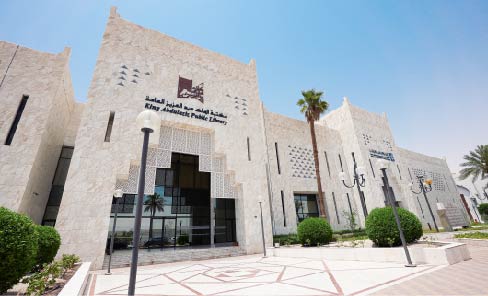
King Abdulaziz Public Library Launches "AI Generation" Summer Camp
The King Abdulaziz Public Library, represented by its General Department for Children, has launched the "AI Generation" summer camp. This distinctive initiative aims to develop the skills of children and youth in the fields of technology, artificial intelligence, and innovation through an educational experience that combines technical, cultural, and recreational elements.
Read More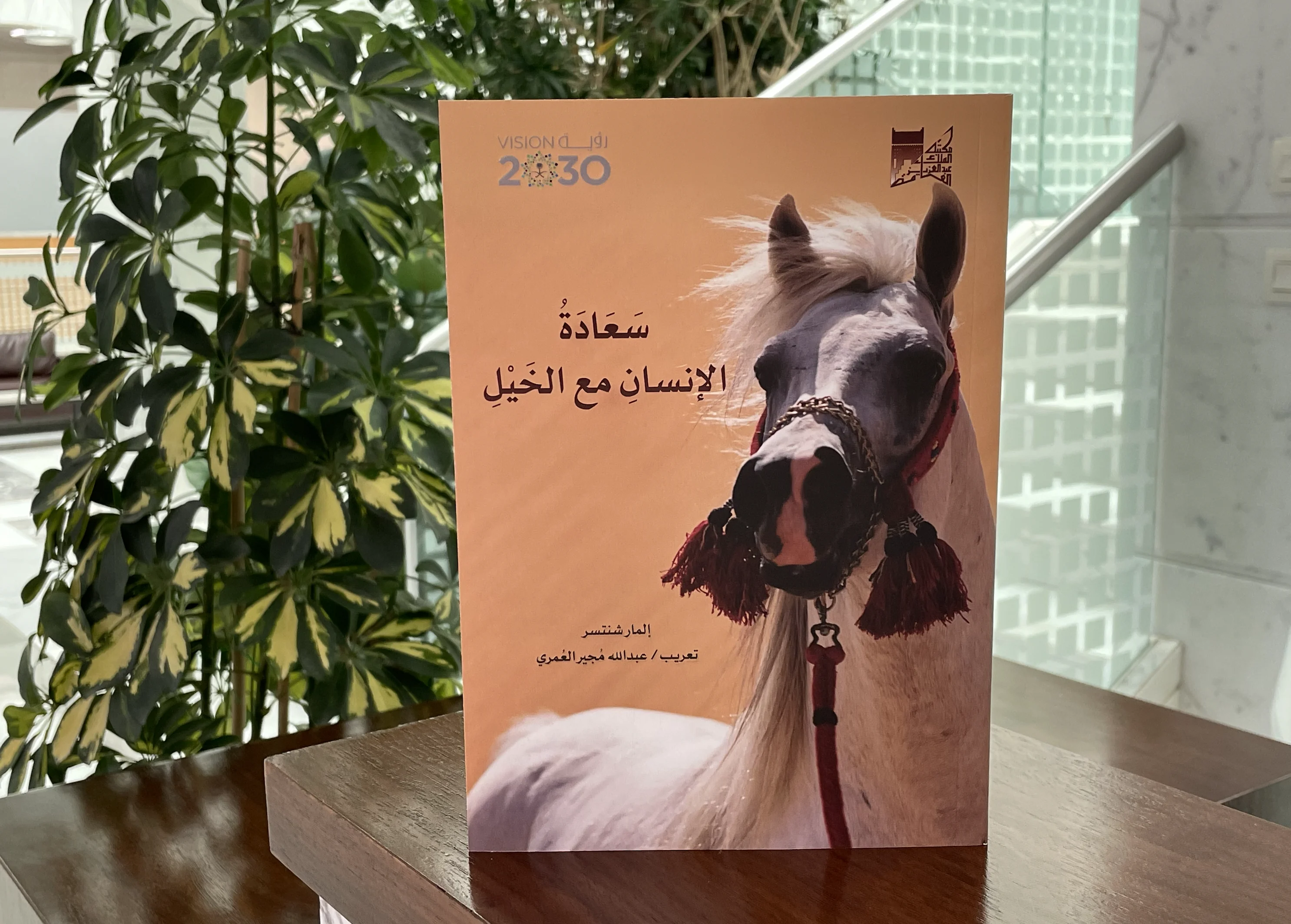
On World Horse Day, the King Abdulaziz Public Library highlights its efforts to document Arabian horse heritage.
On World Horse Day, the King Abdulaziz Public Library highlights its efforts to document Arabian horse heritage.
Read More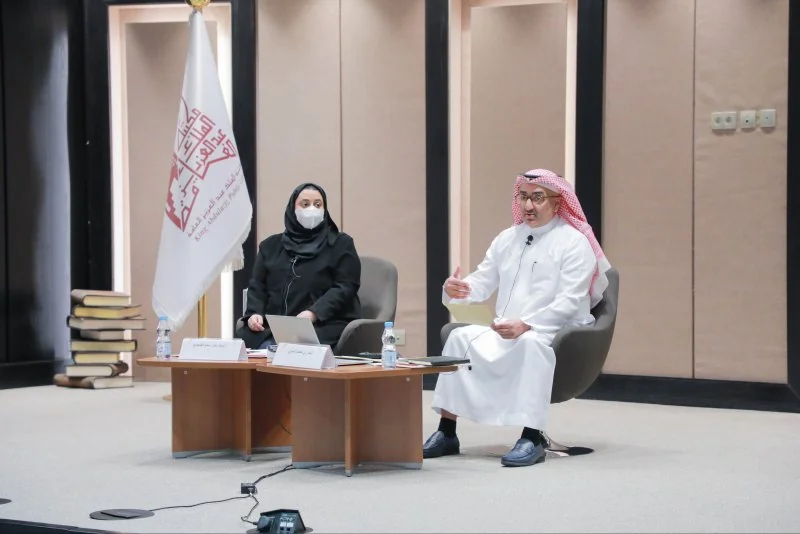
Bandar Al-Harbi discusses transforming events into a national story in a lecture at the King Abdulaziz Library.
Bandar Al-Harbi discusses transforming events into a national story in a lecture at the King Abdulaziz Library.
Read More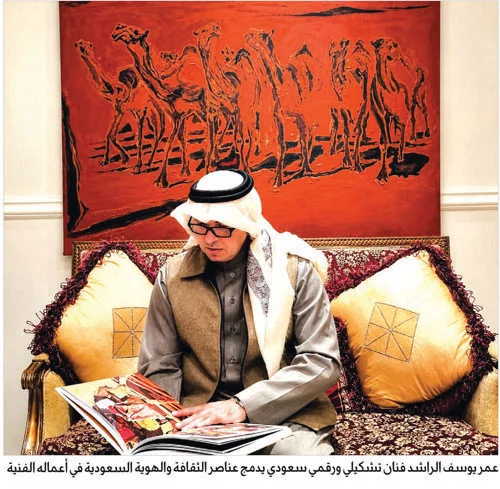
When Camels Become a Language of Beauty... King Abdulaziz Library Explores the Desert’s Memory Through Saudi Art
When Camels Become a Language of Beauty... King Abdulaziz Library Explores the Desert’s Memory Through Saudi Art
Read More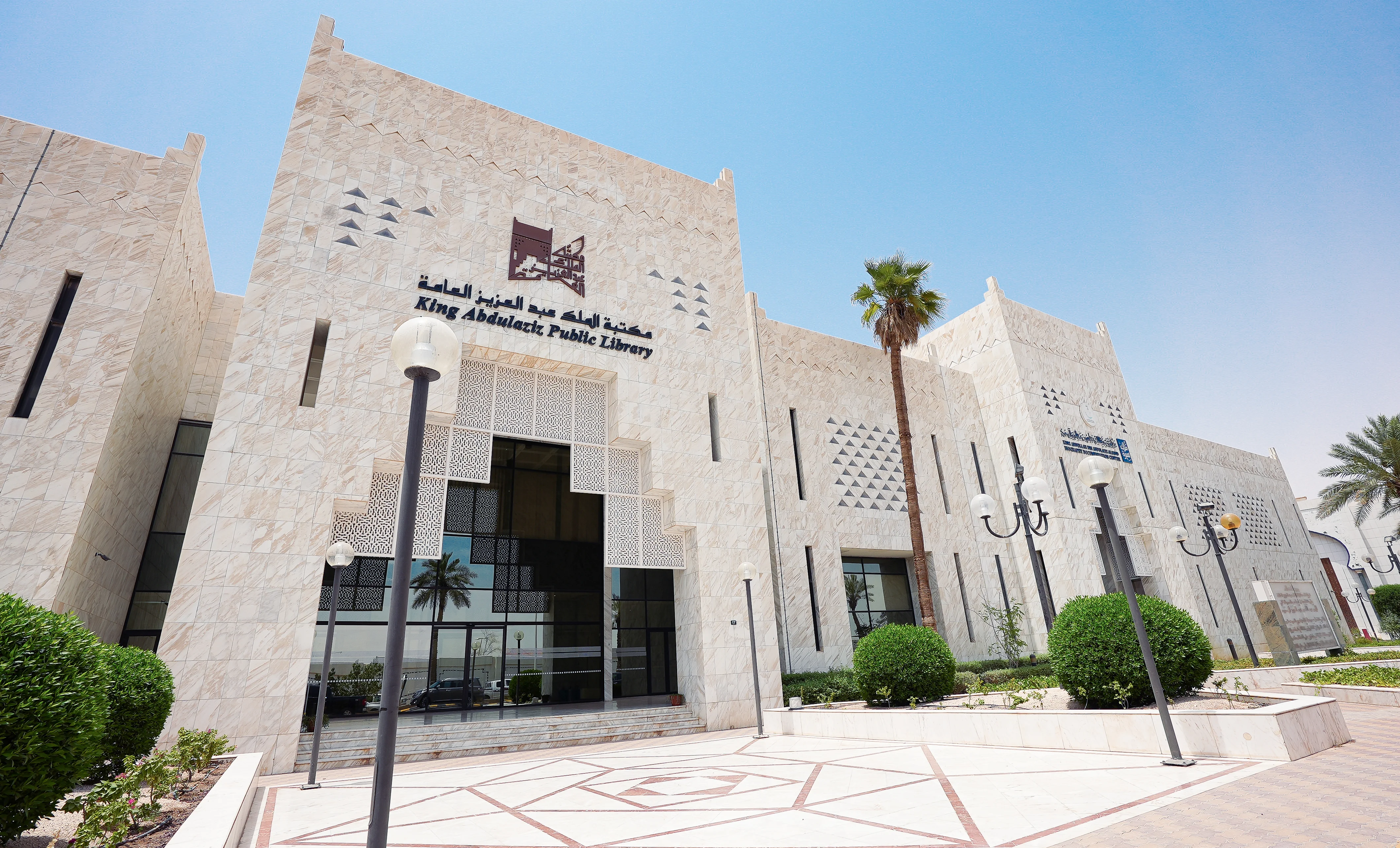
With over 218,000 diverse items, the King Abdulaziz Public Library preserves heritage and renews the national memory.
With over 218,000 diverse items, the King Abdulaziz Public Library preserves heritage and renews the national memory.
Read More
The King Abdulaziz Public Library leads the revival of travel literature and documents the history of the Arabian Peninsula and the Kingdom.
The King Abdulaziz Public Library leads the revival of travel literature and documents the history of the Arabian Peninsula and the Kingdom.
Read More
