

Cultural Heritage at the King Abdulaziz Public Library: A Knowledge Environment for Arab and Islamic Memory
Cultural heritage is a fundamental component of the intellectual identity of nations and peoples. With its deep-rooted historical, creative, and civilizational legacy, the Kingdom of Saudi Arabia possesses unique characteristics in the field of heritage. It is the land where the Arabic language developed in all its letters and dialects, where Arabic poetry and prose flourished, where the Holy Qur’an was revealed to the Prophet Muhammad (peace be upon him), and where the chain of divine revelations was brought to completion.
The King Abdulaziz Public Library places great emphasis on Arab and Islamic heritage, with the heritage dimension representing a significant part of its collections, including rare books and publications, as well as thousands of rare items, manuscripts, documents, photographs, coins, and miniatures. Among the Library’s strategic objectives is the preservation of Arab and Islamic intellectual content in all its cultural elements and sources.
Saudi, Arab, and Islamic heritage constitutes a fundamental pillar of the Library’s work. The Library holds 8,571 books on heritage, more than 8,000 manuscripts, and more than 32,000 rare books. It also possesses 700 rare maps, particularly maps of the Arabian Peninsula dating back to 1482, some of which are in ancient Latin. In the field of rare coins and currency, the Library has acquired more than 7,600 gold, silver, and bronze coins dating from various Islamic periods. These collections make it one of the world’s leading libraries in preserving Arab and Islamic heritage. The Library also documents national heritage through valuable studies and research, having published works on horses, camels, horsemanship, falcons, pilgrimage routes, and traditional jewelry, as well as books covering the holy sites of Makkah, Madinah, Jerusalem, and Al-Aqsa Mosque.
The Library also holds a collection of rare books featuring old and uncommon European editions, including 78 books on the life of the Prophet Muhammad (peace be upon him). The collection also includes 113 translations of the Holy Qur’an into old European languages, in addition to 55 books on Qur’anic studies and 54 books related to Islamic sources.
The King Abdulaziz Public Library holds approximately 365 previously unpublished photographs, along with their original negatives, of the Two Holy Mosques, taken by the renowned Egyptian photographer Ahmed Pasha Helmy. The Library has also published translations of works by travelers and Orientalists who journeyed across the Arabian Peninsula from the early establishment of the First Saudi State under Imam Muhammad bin Saud through to the establishment of the Kingdom of Saudi Arabia by King Abdulaziz Al Saud on September 23, 1932.
Reflecting its اهتمام with Arab Palestinian heritage, the Library published a large illustrated book on Al-Aqsa, covering the holy and heritage sites, the Dome of the Rock, and Al-Aqsa Mosque, and containing a large collection of rare documents and photographs.
The book contains 360 photographs documenting various details of Al-Aqsa Mosque.
Since its establishment, the Library has been committed to documenting the history of Jerusalem. It has also developed a unique research library dedicated to the Palestinian cause, containing thousands of books covering Palestine’s historical, economic, social, geographical, religious, and cultural dimensions. The Library has likewise devoted attention to Andalusian history from its civilizational, literary, artistic, and scientific perspectives. Among its publications is Andalusian Sources, which covers numerous periods in the history of Al-Andalus. The book draws on sources in several languages, including Arabic, English, Spanish, French, German, and Latin, with 13 Arabic sources and 71 sources in foreign languages.
The Library holds one of the world’s rarest books, titled Pictures from Spain, by the renowned British artist David Roberts. It contains a collection of paintings he produced during his journey through Al-Andalus in 1832–1833, depicting several famous landmarks he visited in Spain.
In addition, since its establishment, the King Abdulaziz Public Library has organized numerous exhibitions devoted to Arab and Islamic heritage and the manifestations of Islamic civilization. These have included exhibitions of Qur’anic manuscripts, Arabic crafts, Arab and Islamic coins, Arabic calligraphy, and other exhibitions that promote appreciation of the rich Arab and Islamic heritage.
The Library continues to develop its knowledge ecosystem in alignment with the objectives of Saudi Vision 2030. It also continues its efforts to preserve Arab and Islamic memory by documenting and digitizing heritage, ensuring that it remains present as one of the principal components of identity, culture, and knowledge.



Latest New's
View AllStay informed with the latest updates, announcements, and developments from KAPL.
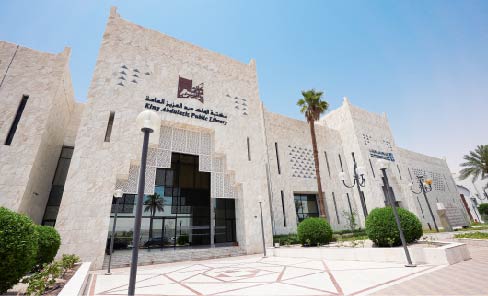
King Abdulaziz Public Library Participates in the International Federation of Library Associations (IFLA 2026) Conference and Exhibition in South Korea
The King Abdulaziz Public Library is participating in the International Federation of Library Associations and Institutions (IFLA) 2026 conference and exhibition—hosted by the city of Busan, South Korea, from August 10 to 13, 2026—as part of its ongoing international presence and its commitment to exchanging expertise and building partnerships with library and knowledge institutions worldwide.
Read More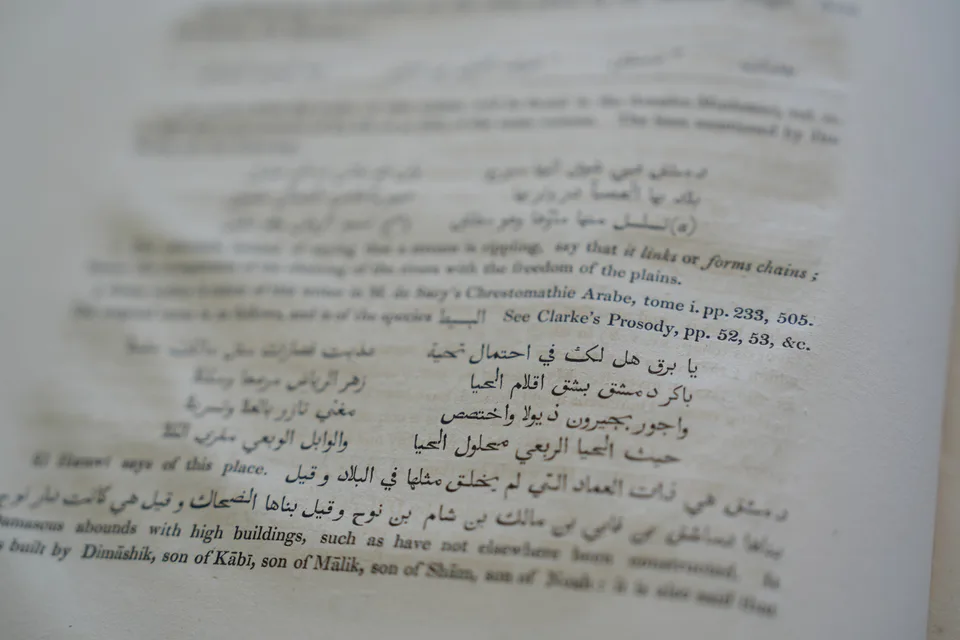
King Abdulaziz Public Library Unveils First Translation of Ibn Battuta’s Travels
King Abdulaziz Public Library in Riyadh has revealed that it has acquired a rare copy of the first printed and widely known English translation of Ibn Battuta’s travels, published 197 years ago, specifically on April 27, 1829.
Read More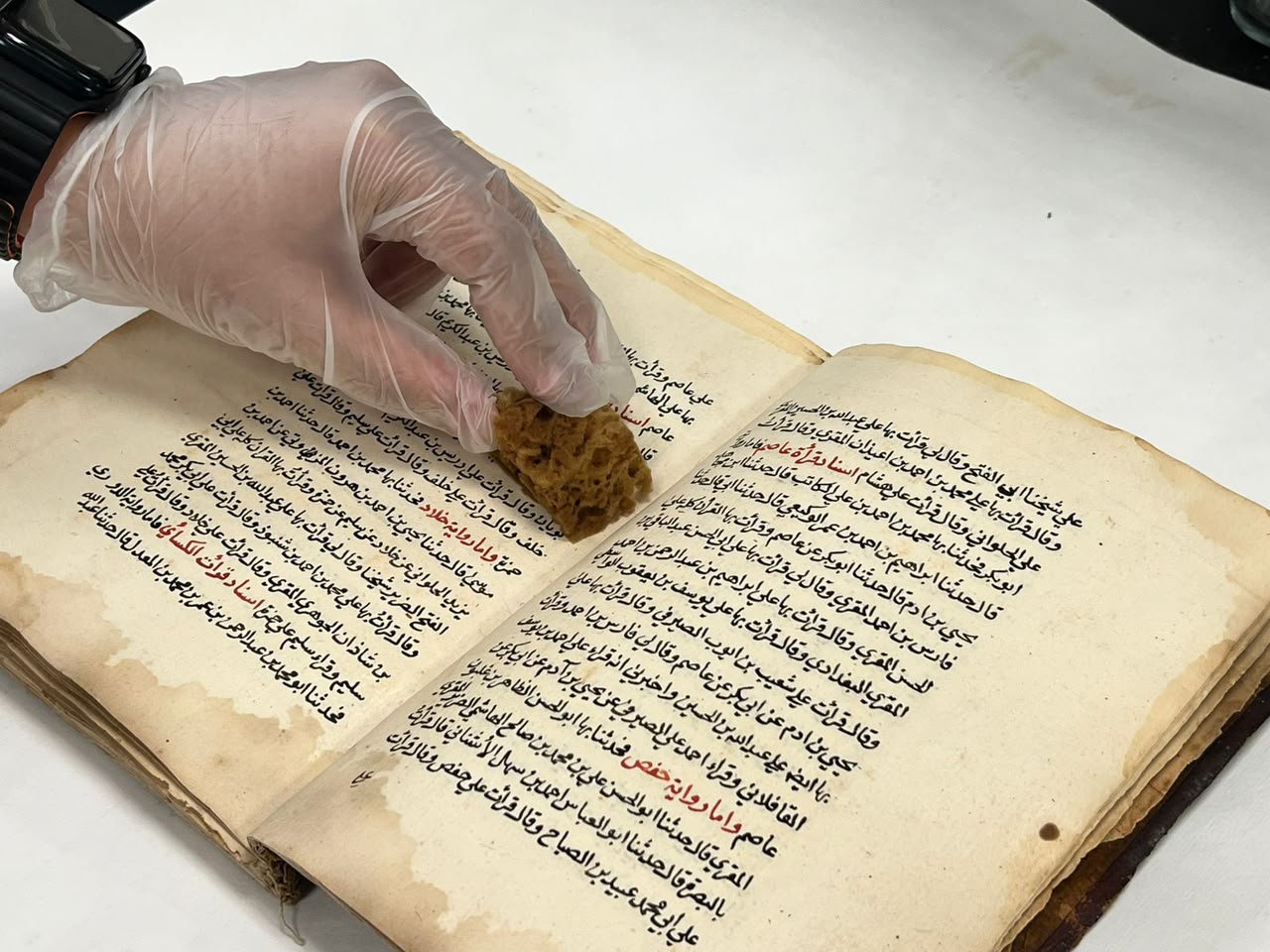
The Restoration Center at the King Abdulaziz Public Library treats over 10,000 cultural heritage items.
The Restoration and Treatment Center at the King Abdulaziz Public Library has achieved a new milestone by restoring and treating over 10,861 items from the library’s collections—including historical photographs, documents, maps, rare books, manuscripts, newspapers, and periodicals. This work was carried out using the latest scientific and professional methods for restoration, treatment, sterilization, and preventive maintenance, thereby helping to preserve these holdings, extend their lifespan, and ensure their sustainability for future generations.
Read More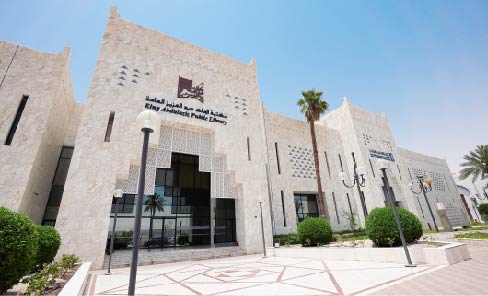
The King Abdulaziz Public Library hosts cultural gatherings and publishes novels for young adults.
The King Abdulaziz Public Library continues to offer diverse cultural and intellectual programs aimed at fostering cultural awareness within the Kingdom, strengthening the cultural elements that bridge heritage and modernity, and showcasing the Kingdom’s cultural identity through activities that promote the presence of national, Arab, Islamic, and global cultures.
Read More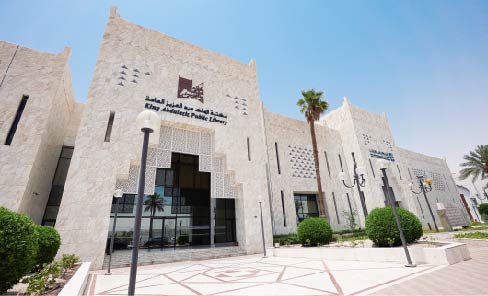
King Abdulaziz Public Library Launches "AI Generation" Summer Camp
The King Abdulaziz Public Library, represented by its General Department for Children, has launched the "AI Generation" summer camp. This distinctive initiative aims to develop the skills of children and youth in the fields of technology, artificial intelligence, and innovation through an educational experience that combines technical, cultural, and recreational elements.
Read More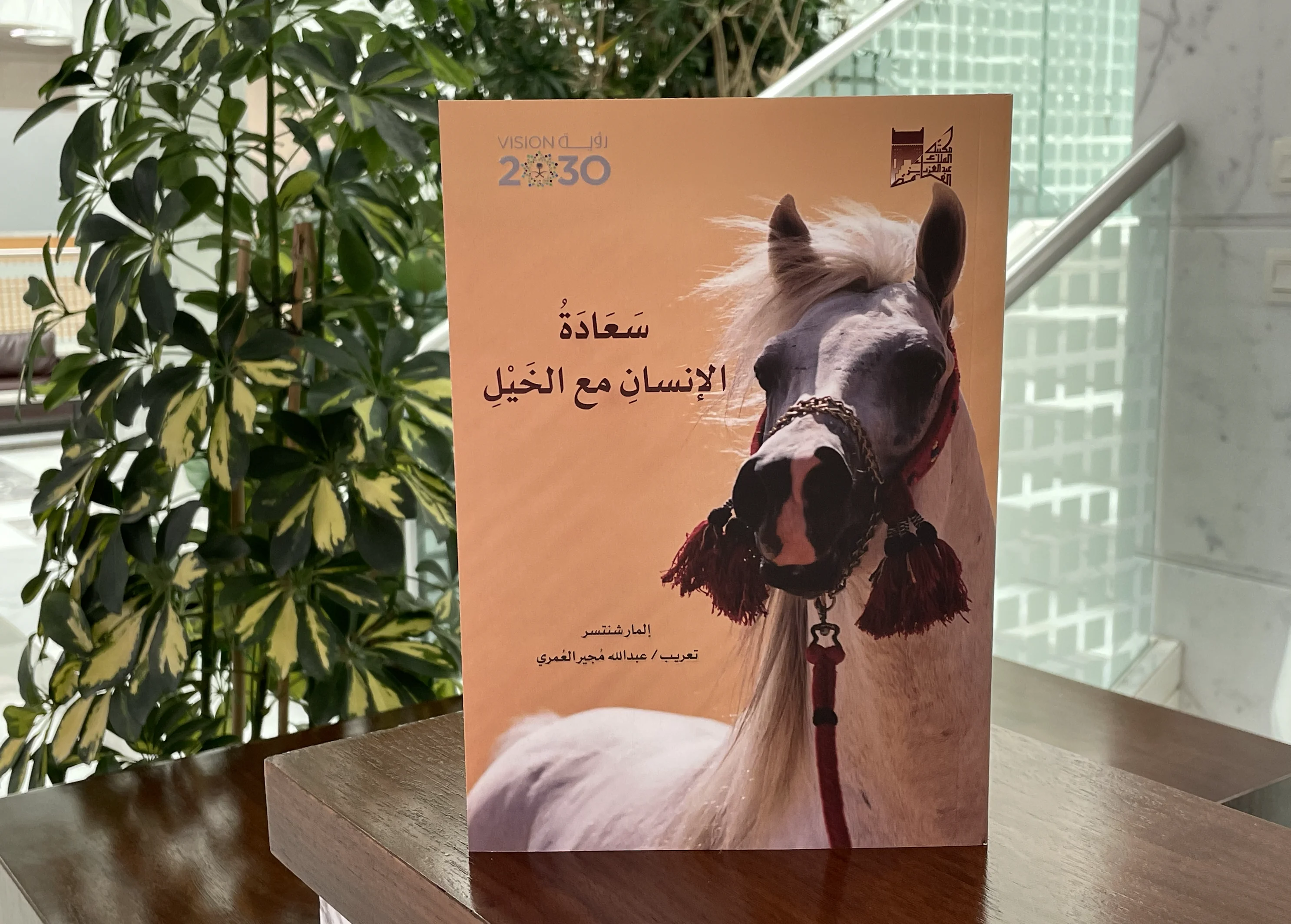
On World Horse Day, the King Abdulaziz Public Library highlights its efforts to document Arabian horse heritage.
On World Horse Day, the King Abdulaziz Public Library highlights its efforts to document Arabian horse heritage.
Read More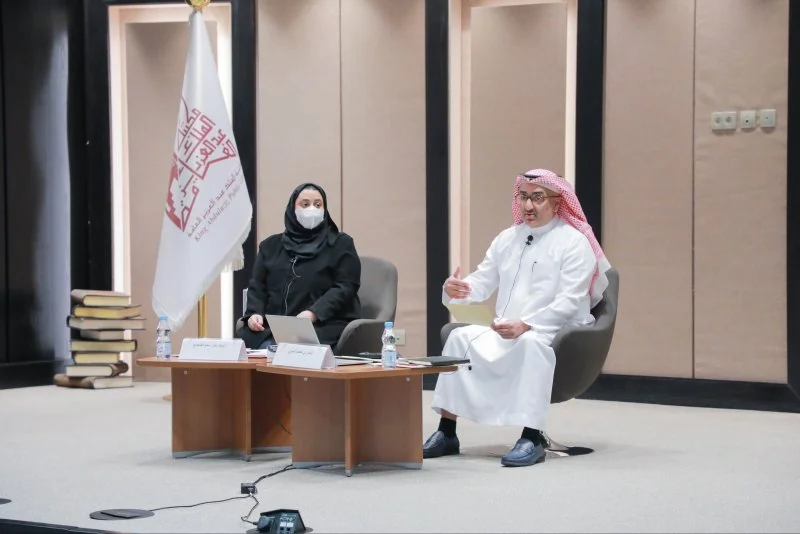
Bandar Al-Harbi discusses transforming events into a national story in a lecture at the King Abdulaziz Library.
Bandar Al-Harbi discusses transforming events into a national story in a lecture at the King Abdulaziz Library.
Read More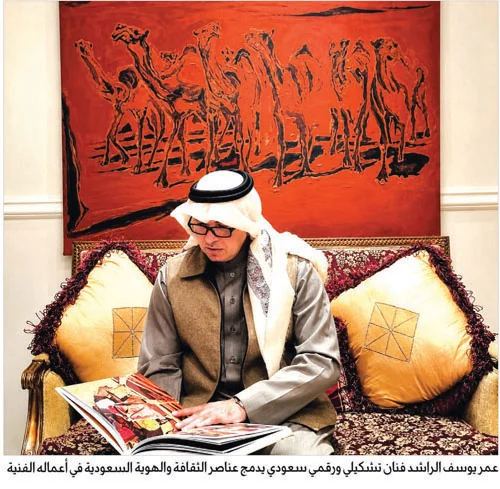
When Camels Become a Language of Beauty... King Abdulaziz Library Explores the Desert’s Memory Through Saudi Art
When Camels Become a Language of Beauty... King Abdulaziz Library Explores the Desert’s Memory Through Saudi Art
Read More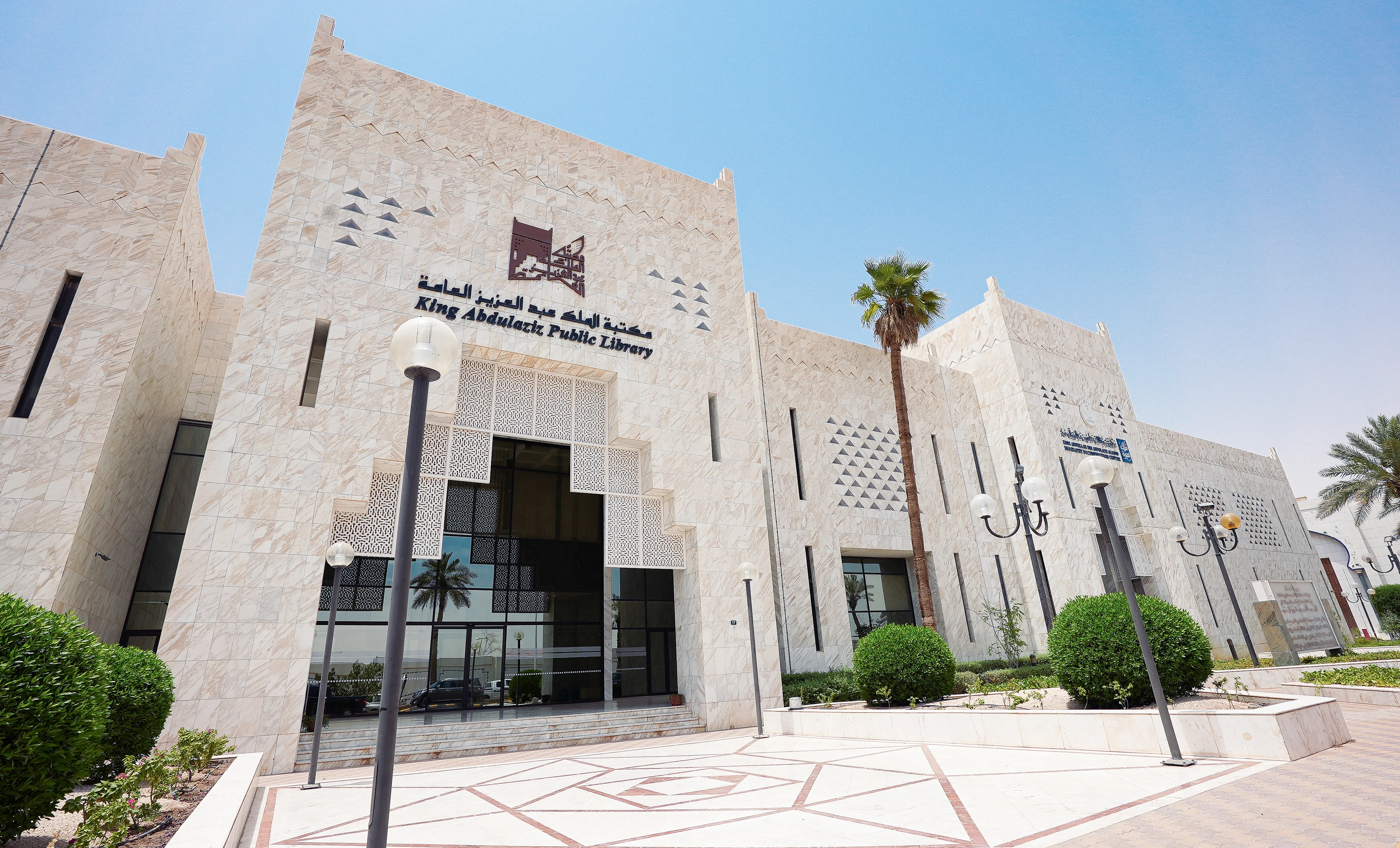
With over 218,000 diverse items, the King Abdulaziz Public Library preserves heritage and renews the national memory.
With over 218,000 diverse items, the King Abdulaziz Public Library preserves heritage and renews the national memory.
Read More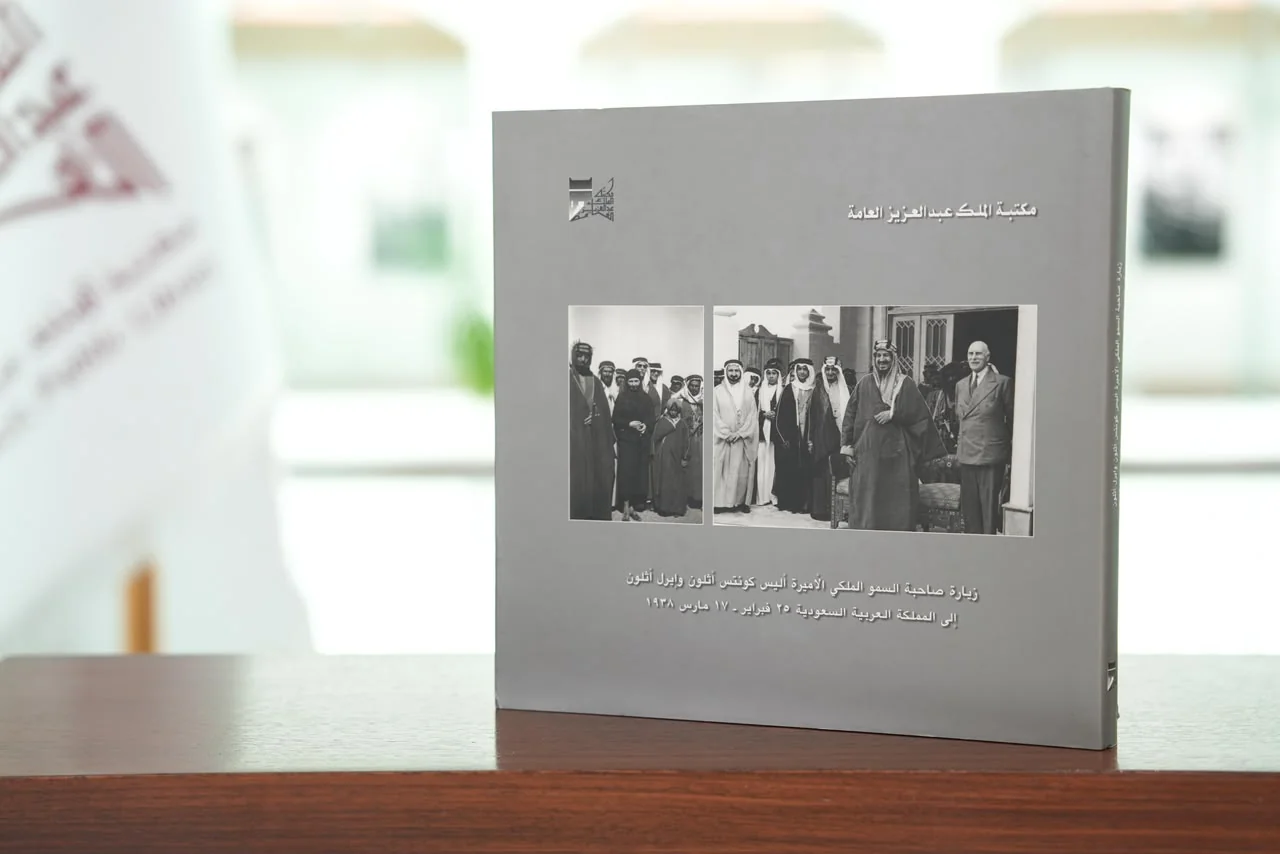
The King Abdulaziz Public Library leads the revival of travel literature and documents the history of the Arabian Peninsula and the Kingdom.
The King Abdulaziz Public Library leads the revival of travel literature and documents the history of the Arabian Peninsula and the Kingdom.
Read More
