

A Russian book documents the lineages of "purebred Arabian horses" more than 126 years ago.
In 1900, the Russian Princess Shcherbatova visited the Arab region and conducted a survey of Arabian horse bloodlines, documenting their types, colors, sizes, and the most prominent families, clans, and tribes that owned them.
This was documented in the book Purebred Arabian Horses, written by the Russian authors Prince A. G. Shcherbatov and Count S. A. Stroganov and published by the King Abdulaziz Public Library in 1999 as part of its publications commemorating the Kingdom’s centenary. Princess Shcherbatova, the wife of one of the book’s authors, undertook a research journey to study Arabian horses as part of a four-person expedition in 1888 to the Syrian Desert and Iraq. The expedition included Prince A. G. Shcherbatov and his wife Princess Shcherbatova, Count S. A. Stroganov, and Princess Olga Alexandrovna. They were influenced by their reading of Lady Anne Blunt and her husband’s travels throughout Arabia during the period of the Second Saudi State. The book reveals that the travelers relied on extensive information from desert communities whose origins traced back to the tribes and clans of the Arabian Peninsula.
Prince Shcherbatov dedicated his book to His Imperial Highness Grand Duke Dmitry Konstantinovich. In the book’s introduction, he explained that he had undertaken the task of reviving the glorious traditions of horse breeding in Russia, which had originated during the reign of Empress Catherine II from 1762 to 1768 through the initiative of Count Orlov-Chesmensky, who was the first to produce the Russian Orlov breed using an Arabian stallion named Smetanka. The book discusses efforts to restore the significance deserved by the purebred Arabian horse, which should be utilized in Russian horse breeding. It describes the Arabian horse as the only horse in the world whose fame has influenced other breeds through its bloodlines and genetic heritage.
Princess Shcherbatova is mentioned in her husband Prince A. G. Shcherbatov’s book on page 239 in the context of identifying Arabian horse bloodlines. This appears in Appendix 1, which spans pages 239–242, and states that the information was obtained by Princess Shcherbatova, the wife of Prince Shcherbatov, during her visit to the Arab lands in 1900.
Princess Shcherbatova documented several Arabian horse bloodlines, including Bint al-Awaj, described as the bloodline of the descendants of Ismail son of Abraham; Kehilan, which was known among the followers of the Prophet Muhammad (peace be upon him); Saklawi, Abeyan, Hamdani, and Hadban. On page 240, she also recorded numerous branches of Kehilan, including Kehilan Haifi, Thamer, Al-Tayyar, Juz'ah, and Khallawi, as well as branches of Saklawi such as Shafa and Najim. She also identified a number of families and clans renowned for their purebred Arabian horse bloodlines.
The book is considered one of the important works on horses held by the King Abdulaziz Public Library. Its authors discuss the Arabian horse, its significance and distinctive qualities, the breeding of Arabian horses in Europe, and various Russian perspectives on Arabian horses. The book also contains appendices documenting Arabian horse bloodlines.



Latest New's
View AllStay informed with the latest updates, announcements, and developments from KAPL.
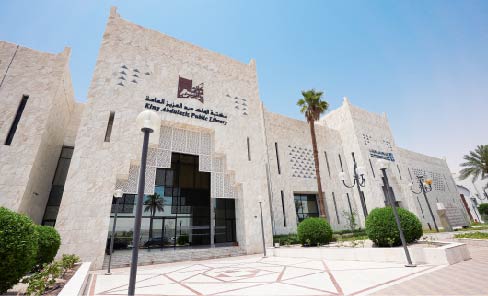
King Abdulaziz Public Library Participates in the International Federation of Library Associations (IFLA 2026) Conference and Exhibition in South Korea
The King Abdulaziz Public Library is participating in the International Federation of Library Associations and Institutions (IFLA) 2026 conference and exhibition—hosted by the city of Busan, South Korea, from August 10 to 13, 2026—as part of its ongoing international presence and its commitment to exchanging expertise and building partnerships with library and knowledge institutions worldwide.
Read More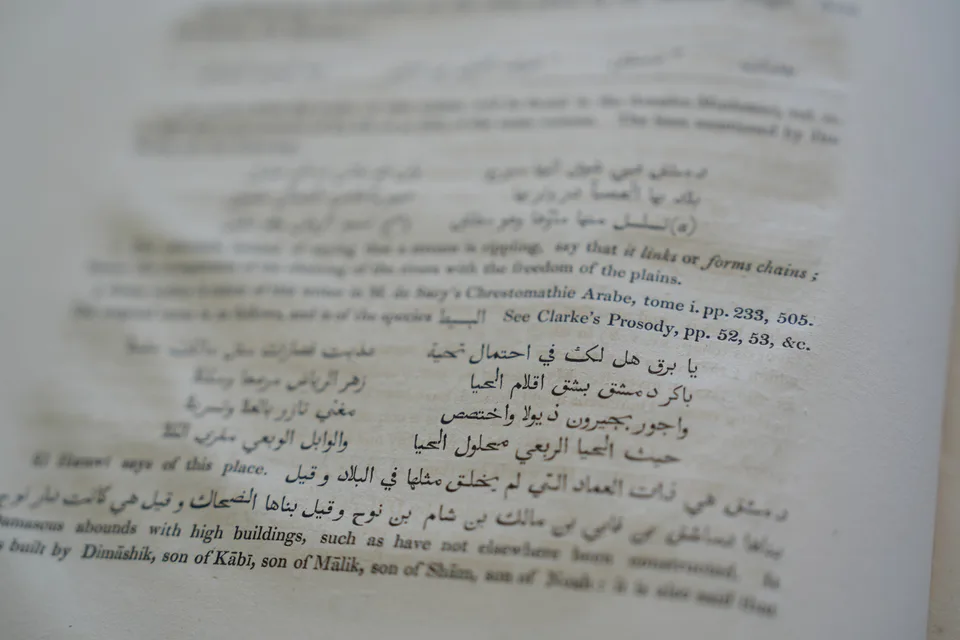
King Abdulaziz Public Library Unveils First Translation of Ibn Battuta’s Travels
King Abdulaziz Public Library in Riyadh has revealed that it has acquired a rare copy of the first printed and widely known English translation of Ibn Battuta’s travels, published 197 years ago, specifically on April 27, 1829.
Read More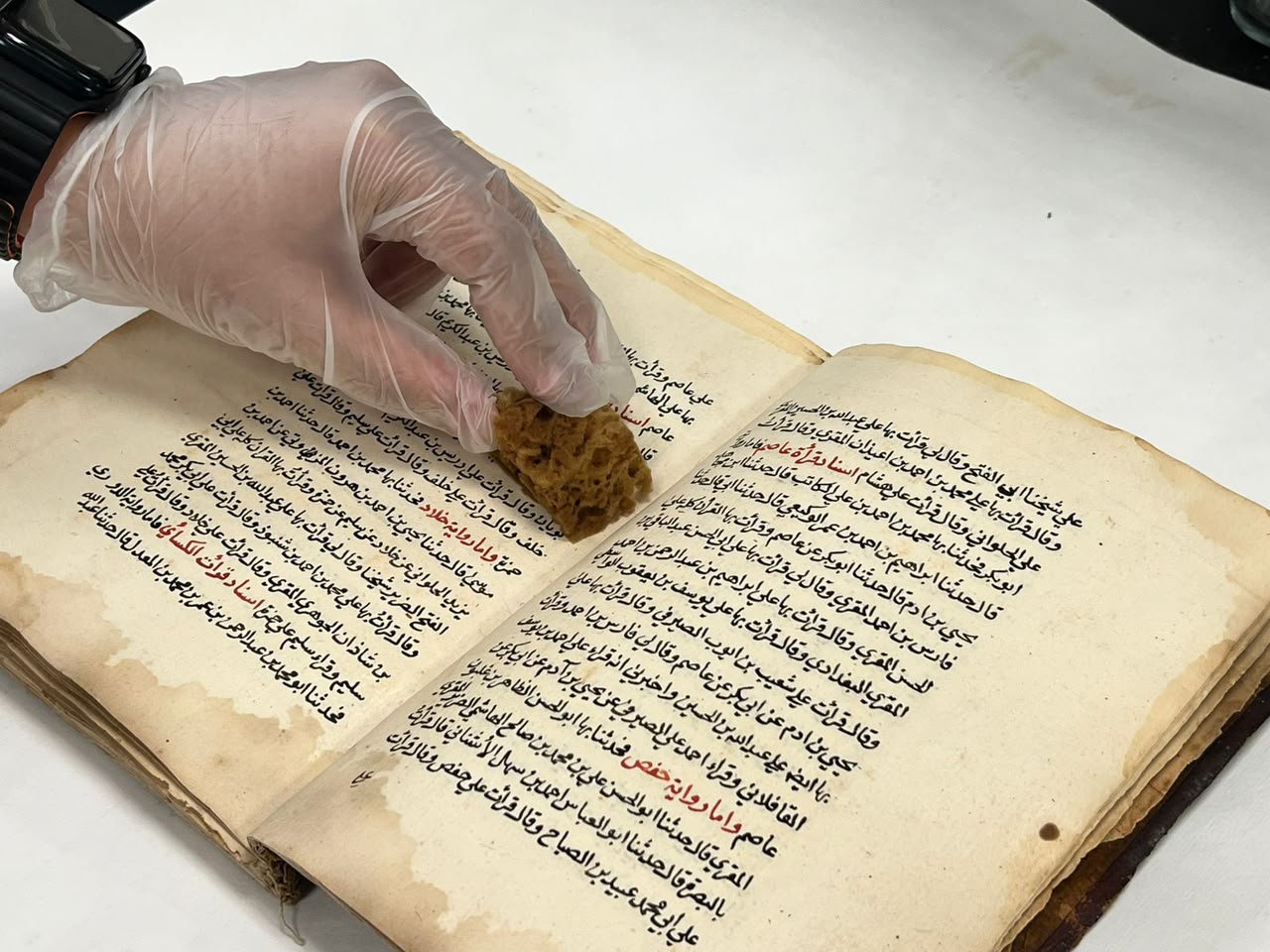
The Restoration Center at the King Abdulaziz Public Library treats over 10,000 cultural heritage items.
The Restoration and Treatment Center at the King Abdulaziz Public Library has achieved a new milestone by restoring and treating over 10,861 items from the library’s collections—including historical photographs, documents, maps, rare books, manuscripts, newspapers, and periodicals. This work was carried out using the latest scientific and professional methods for restoration, treatment, sterilization, and preventive maintenance, thereby helping to preserve these holdings, extend their lifespan, and ensure their sustainability for future generations.
Read More
The King Abdulaziz Public Library hosts cultural gatherings and publishes novels for young adults.
The King Abdulaziz Public Library continues to offer diverse cultural and intellectual programs aimed at fostering cultural awareness within the Kingdom, strengthening the cultural elements that bridge heritage and modernity, and showcasing the Kingdom’s cultural identity through activities that promote the presence of national, Arab, Islamic, and global cultures.
Read More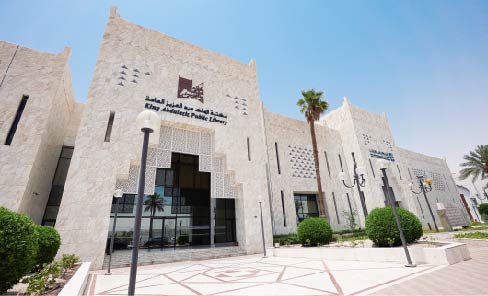
King Abdulaziz Public Library Launches "AI Generation" Summer Camp
The King Abdulaziz Public Library, represented by its General Department for Children, has launched the "AI Generation" summer camp. This distinctive initiative aims to develop the skills of children and youth in the fields of technology, artificial intelligence, and innovation through an educational experience that combines technical, cultural, and recreational elements.
Read More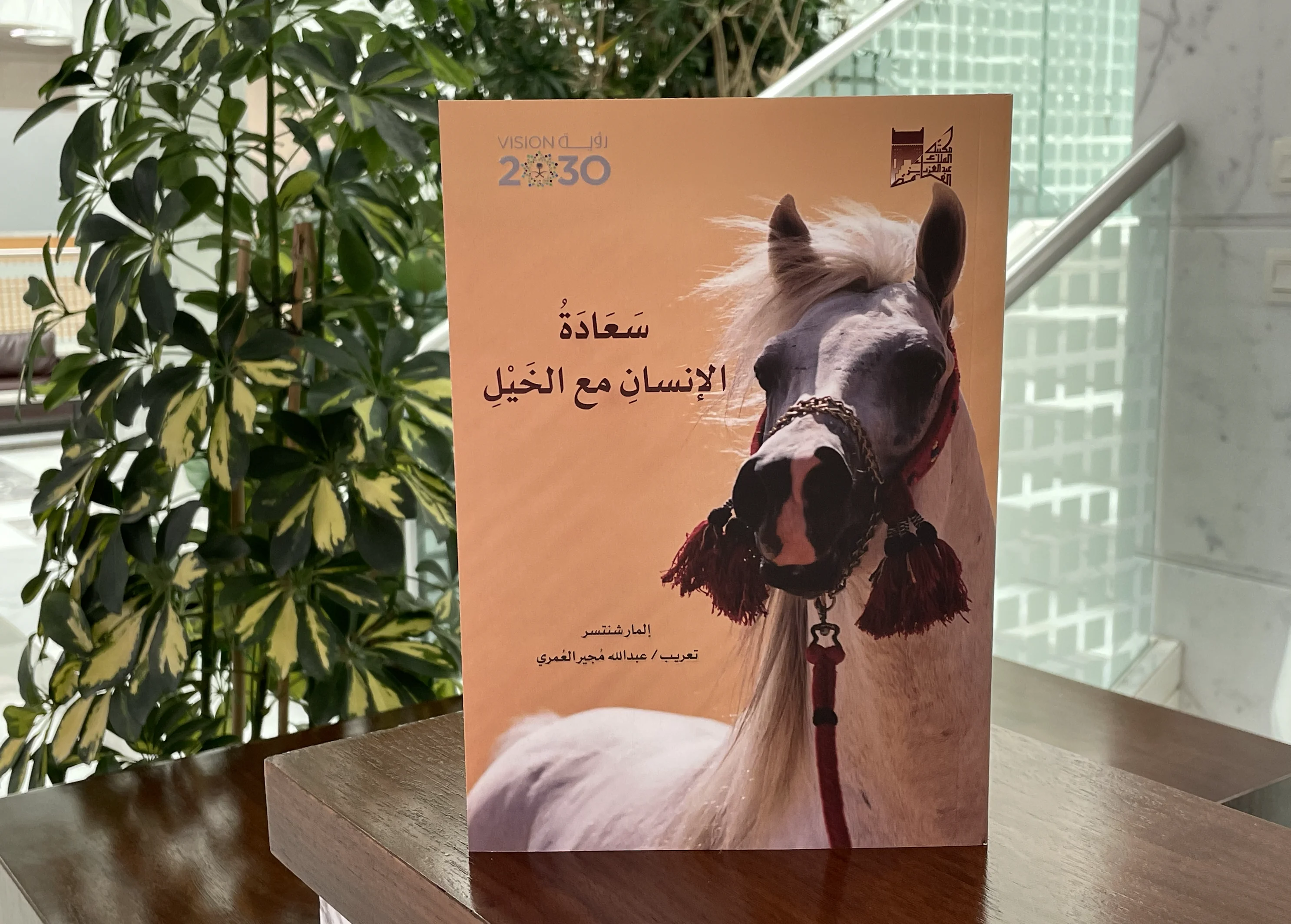
On World Horse Day, the King Abdulaziz Public Library highlights its efforts to document Arabian horse heritage.
On World Horse Day, the King Abdulaziz Public Library highlights its efforts to document Arabian horse heritage.
Read More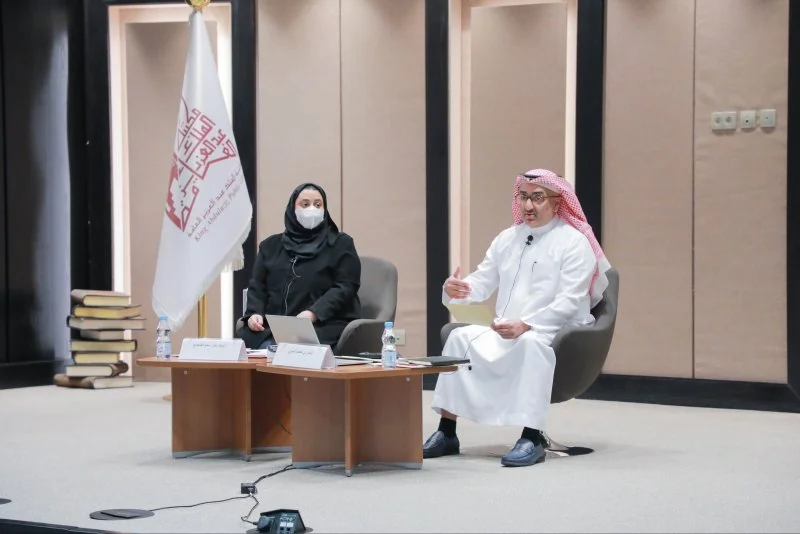
Bandar Al-Harbi discusses transforming events into a national story in a lecture at the King Abdulaziz Library.
Bandar Al-Harbi discusses transforming events into a national story in a lecture at the King Abdulaziz Library.
Read More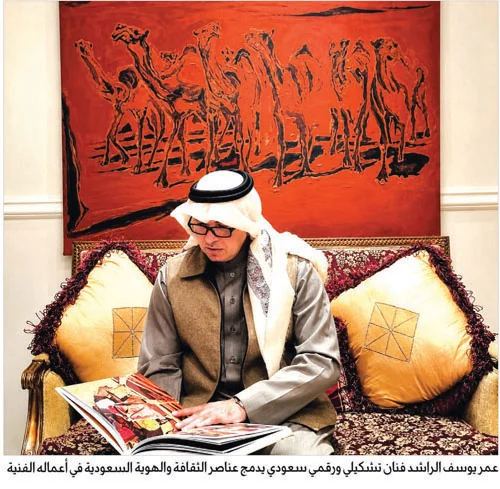
When Camels Become a Language of Beauty... King Abdulaziz Library Explores the Desert’s Memory Through Saudi Art
When Camels Become a Language of Beauty... King Abdulaziz Library Explores the Desert’s Memory Through Saudi Art
Read More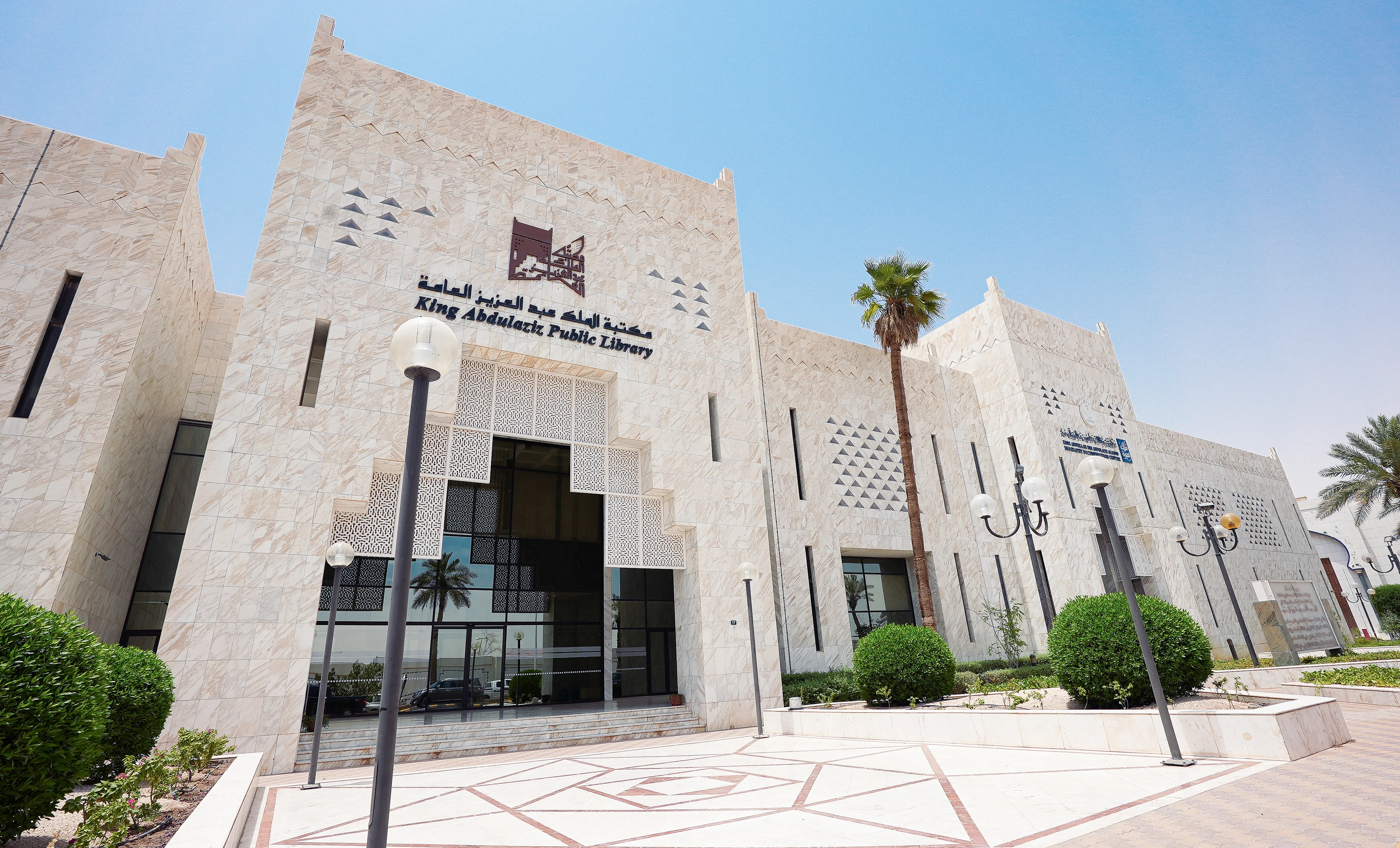
With over 218,000 diverse items, the King Abdulaziz Public Library preserves heritage and renews the national memory.
With over 218,000 diverse items, the King Abdulaziz Public Library preserves heritage and renews the national memory.
Read More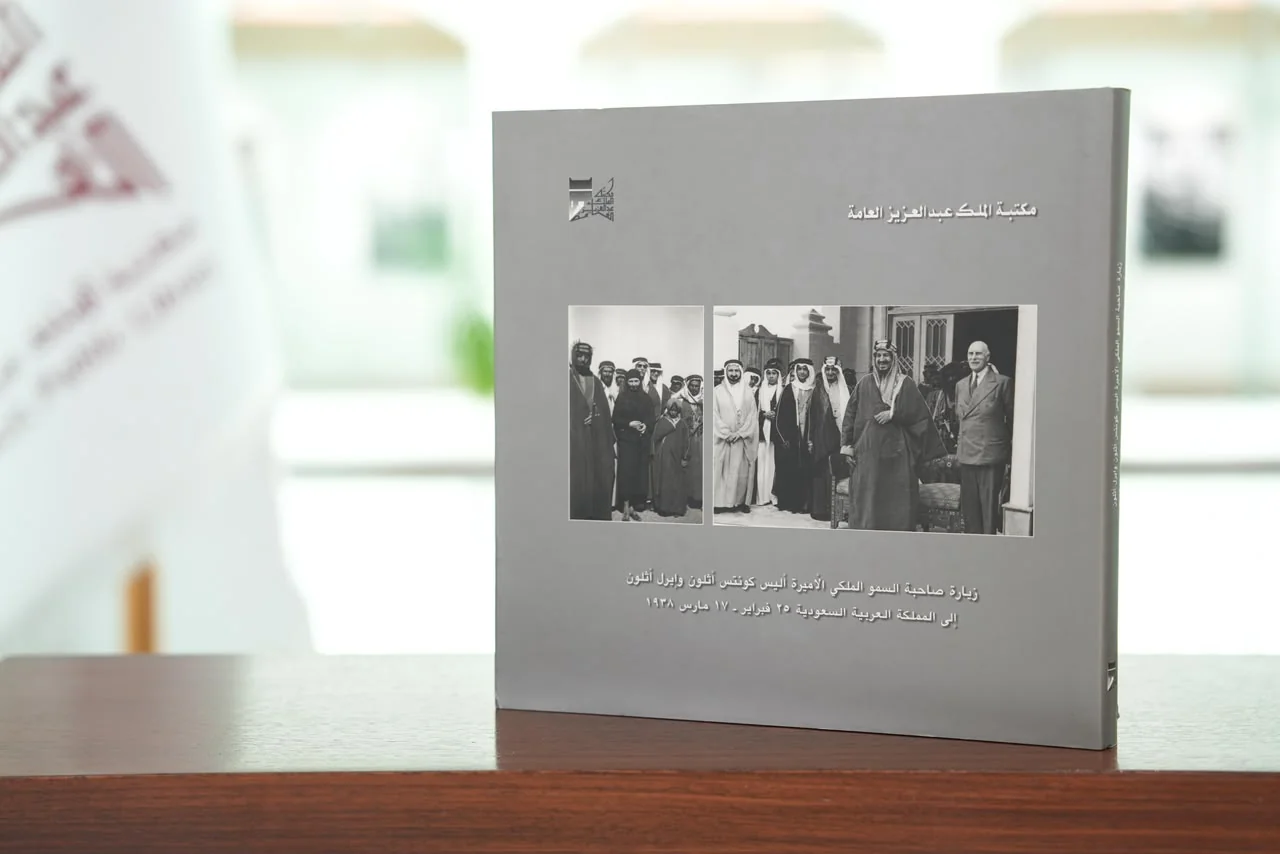
The King Abdulaziz Public Library leads the revival of travel literature and documents the history of the Arabian Peninsula and the Kingdom.
The King Abdulaziz Public Library leads the revival of travel literature and documents the history of the Arabian Peninsula and the Kingdom.
Read More
