

Over 185 manuscripts of Quranic exegesis at the King Abdulaziz Public Library.
The King Abdulaziz Public Library in Riyadh has unveiled a rare manuscript dating back to the fourth century AH, titled Gharib al-Qur’an (The Unfamiliar Words of the Qur’an), authored by the renowned scholar of his time, Abu Ubayda Ma‘mar ibn al-Muthanna al-Taymi al-Basri (d. 209 AH). The manuscript consists of 23 folios, measuring 17 × 22 cm, and was written more than 1,000 years ago. It is an unpublished work on Qur’anic sciences, written in clear, inked Andalusian script, with the names of the surahs written in Kufic script.
Abu Ubayda (110–209 AH / 728–824 CE) authored more than 200 works. Al-Jahiz described him as “the most knowledgeable person on earth in all branches of knowledge.” His works include Majaz al-Qur’an, Naqa’id Jarir wa al-Farazdaq, Ma’athir al-Arab, Al-‘Aqiqah wa al-Barrah, Ayyam al-Arab, Ma‘ani al-Qur’an, Tabaqat al-Shu‘ara’, I‘rab al-Qur’an, and other books.
The Library holds diverse, rare, and ancient collections of books on Qur’anic exegesis, including I‘rab al-Qur’an wa Ma‘anih by Abu Ishaq ibn al-Sahl al-Zajjaj (d. 311 AH), a manuscript written in the fifth century AH, and Ta’wil Mushkil al-Qur’an by Ibn Qutaybah al-Dinawari (d. 276 AH), an old manuscript copied in the seventh century AH. The Library also holds a copy of sections from al-Tabari’s Jami‘ al-Bayan fi Tafsir al-Qur’an by Abu Ja‘far al-Tabari (d. 310 AH), copied in the sixth century AH and consisting of 77 folios, as well as Fi Ma‘ani al-Qur’an al-Karim wa Tafsirih by Abu Bakr Muhammad al-Naqqash (d. 351 AH), consisting of 113 leaves and dating from the seventh century AH.
The heritage archive of the King Abdulaziz Public Library contains rare collections of manuscripts devoted to Qur’anic exegesis and related sciences. These manuscripts are of great importance for analysis and interpretation beyond the well-known commentaries of al-Qurtubi, al-Tabari, and others. The collection includes more than 185 manuscripts, in addition to hundreds of other manuscripts covering various Qur’anic sciences, including the grammatical and linguistic analysis of Qur’anic surahs and related issues. These manuscripts fall into four main categories: tafsir (exegesis), Qur’anic readings, tajwid and ijazahs, Qur’anic sciences, and Qur’anic manuscripts, with hundreds of manuscripts distributed across these fields.
Among the manuscripts related to Qur’anic exegesis are Lubab al-Ta’wil fi Ma‘ani al-Tanzil, Al-Taysir fi al-Tafsir by Umar al-Nasafi, Hall al-Ishkalat fi Fahm Ba‘d al-Ayat, a manuscript dating to the 12th century AH / 17th century CE, Al-Bahr al-Madid fi Tafsir al-Qur’an al-Majid by Ahmad ibn Muhammad ibn ‘Ajibah, Ma‘alim al-Tanzil fi al-Tafsir wa al-Ta’wil by al-Husayn ibn Mas‘ud al-Baghawi, Taqrib al-Ma’mul fi Tartib al-Nuzul by Ibrahim ibn Umar, and Tafsir Gharib al-Qur’an wa Ma‘anih by Muhammad ibn Aziz al-Sijistani. Other rare manuscripts include Adab al-Afnan al-Muqtaṭaf min Ruh al-Bayan, Taqyid ‘ala al-Basmalah, Tafsir al-Jalalayn, Al-Lubab fi Mushkilat al-Kitab, Al-Durr al-Masun fi ‘Ulum al-Kitab al-Maknun, Tafsir Mushkil I‘rab al-Qur’an, Bayan al-Istilah al-Makhsusah bi-Batn al-Qur’an, Al-Najati fi Tafsir Juz’ ‘Amma, a commentary on Anwar al-Tanzil by al-Baydawi, Hashiyah ‘ala Anwar al-Tanzil wa Asrar al-Ta’wil, Khaza’in al-Jawahir wa Makhazin al-Zawahir, Tafsir Surat al-Fatihah, Al-Durr al-Manthur fi al-Tafsir bi al-Ma’thur, Al-Jawahir al-Hisan fi Tafsir al-Qur’an, Fa’idah Tata‘allaq bi-Ayat al-Kursi, Al-Kahf wa al-Raqim fi Sharh Bismillah al-Rahman al-Rahim, Tafsir al-Shaykh al-Tamli al-Sindi ‘ala al-Khamsimi’ah Ayah, and Al-Lawami‘ wa al-Asrar fi Manafi‘ al-Qur’an wa al-Akhbar, among many other rare manuscripts.
The Library seeks to introduce the public to its rare collections of manuscripts, documents, photographs, coins, and other artifacts, opening new avenues for studying and engaging with heritage across its diverse fields. It also aims to support systematic academic research by showcasing rare manuscripts and making their intellectual and historical value accessible to researchers.



Latest New's
View AllStay informed with the latest updates, announcements, and developments from KAPL.
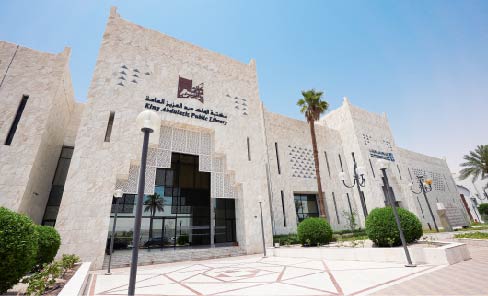
King Abdulaziz Public Library Participates in the International Federation of Library Associations (IFLA 2026) Conference and Exhibition in South Korea
The King Abdulaziz Public Library is participating in the International Federation of Library Associations and Institutions (IFLA) 2026 conference and exhibition—hosted by the city of Busan, South Korea, from August 10 to 13, 2026—as part of its ongoing international presence and its commitment to exchanging expertise and building partnerships with library and knowledge institutions worldwide.
Read More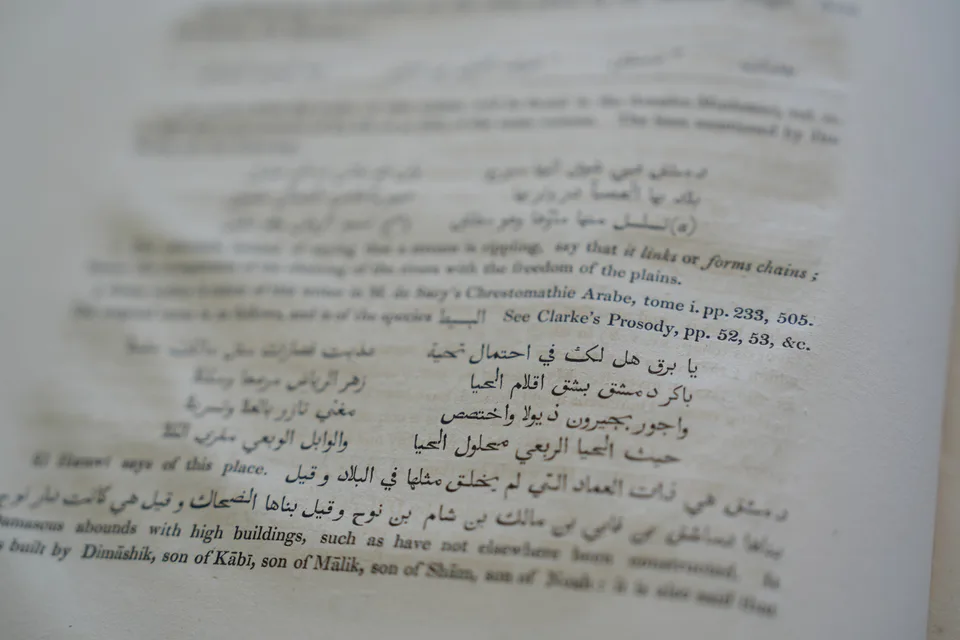
King Abdulaziz Public Library Unveils First Translation of Ibn Battuta’s Travels
King Abdulaziz Public Library in Riyadh has revealed that it has acquired a rare copy of the first printed and widely known English translation of Ibn Battuta’s travels, published 197 years ago, specifically on April 27, 1829.
Read More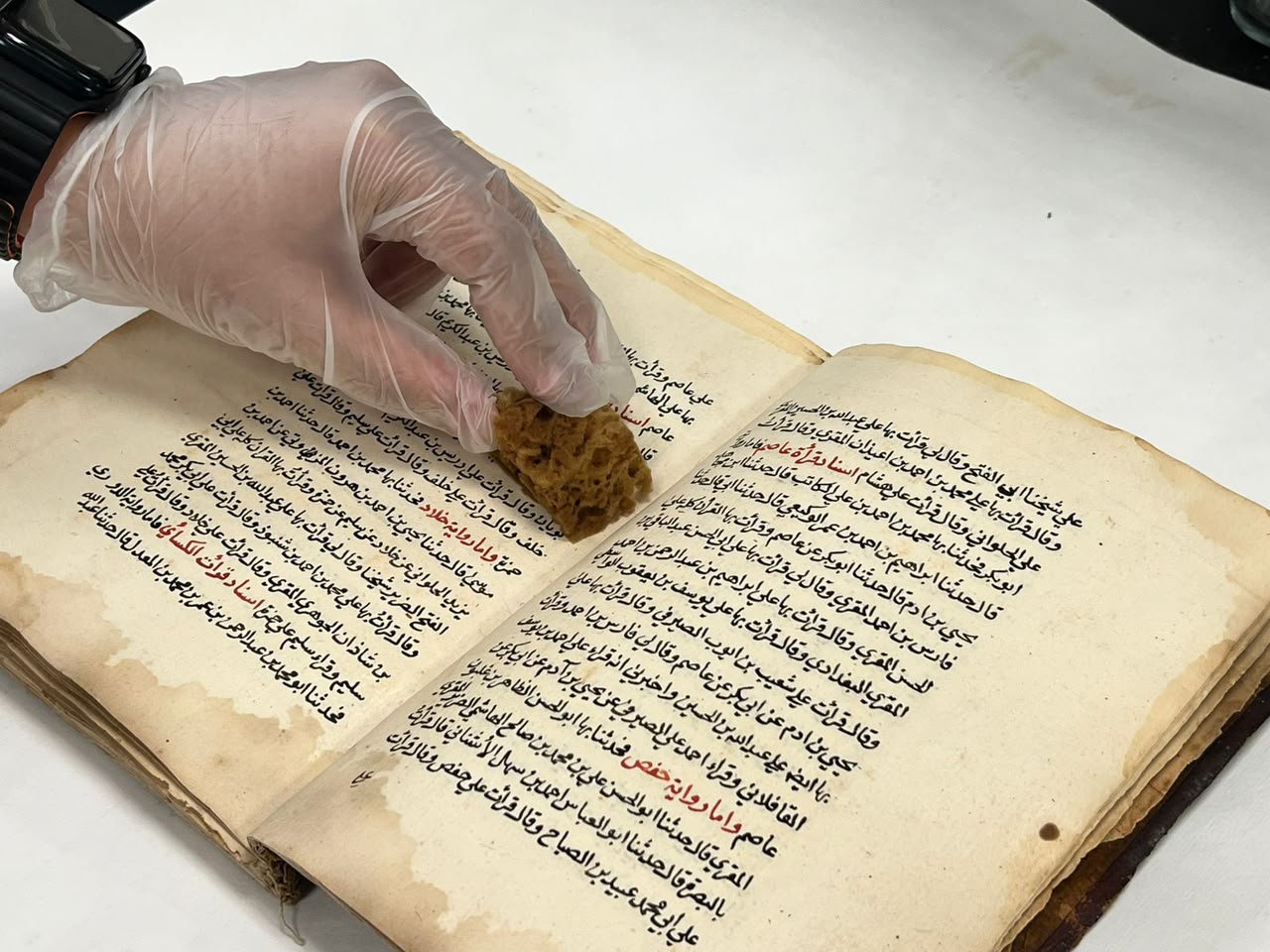
The Restoration Center at the King Abdulaziz Public Library treats over 10,000 cultural heritage items.
The Restoration and Treatment Center at the King Abdulaziz Public Library has achieved a new milestone by restoring and treating over 10,861 items from the library’s collections—including historical photographs, documents, maps, rare books, manuscripts, newspapers, and periodicals. This work was carried out using the latest scientific and professional methods for restoration, treatment, sterilization, and preventive maintenance, thereby helping to preserve these holdings, extend their lifespan, and ensure their sustainability for future generations.
Read More
The King Abdulaziz Public Library hosts cultural gatherings and publishes novels for young adults.
The King Abdulaziz Public Library continues to offer diverse cultural and intellectual programs aimed at fostering cultural awareness within the Kingdom, strengthening the cultural elements that bridge heritage and modernity, and showcasing the Kingdom’s cultural identity through activities that promote the presence of national, Arab, Islamic, and global cultures.
Read More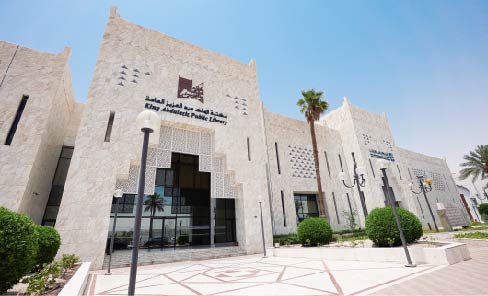
King Abdulaziz Public Library Launches "AI Generation" Summer Camp
The King Abdulaziz Public Library, represented by its General Department for Children, has launched the "AI Generation" summer camp. This distinctive initiative aims to develop the skills of children and youth in the fields of technology, artificial intelligence, and innovation through an educational experience that combines technical, cultural, and recreational elements.
Read More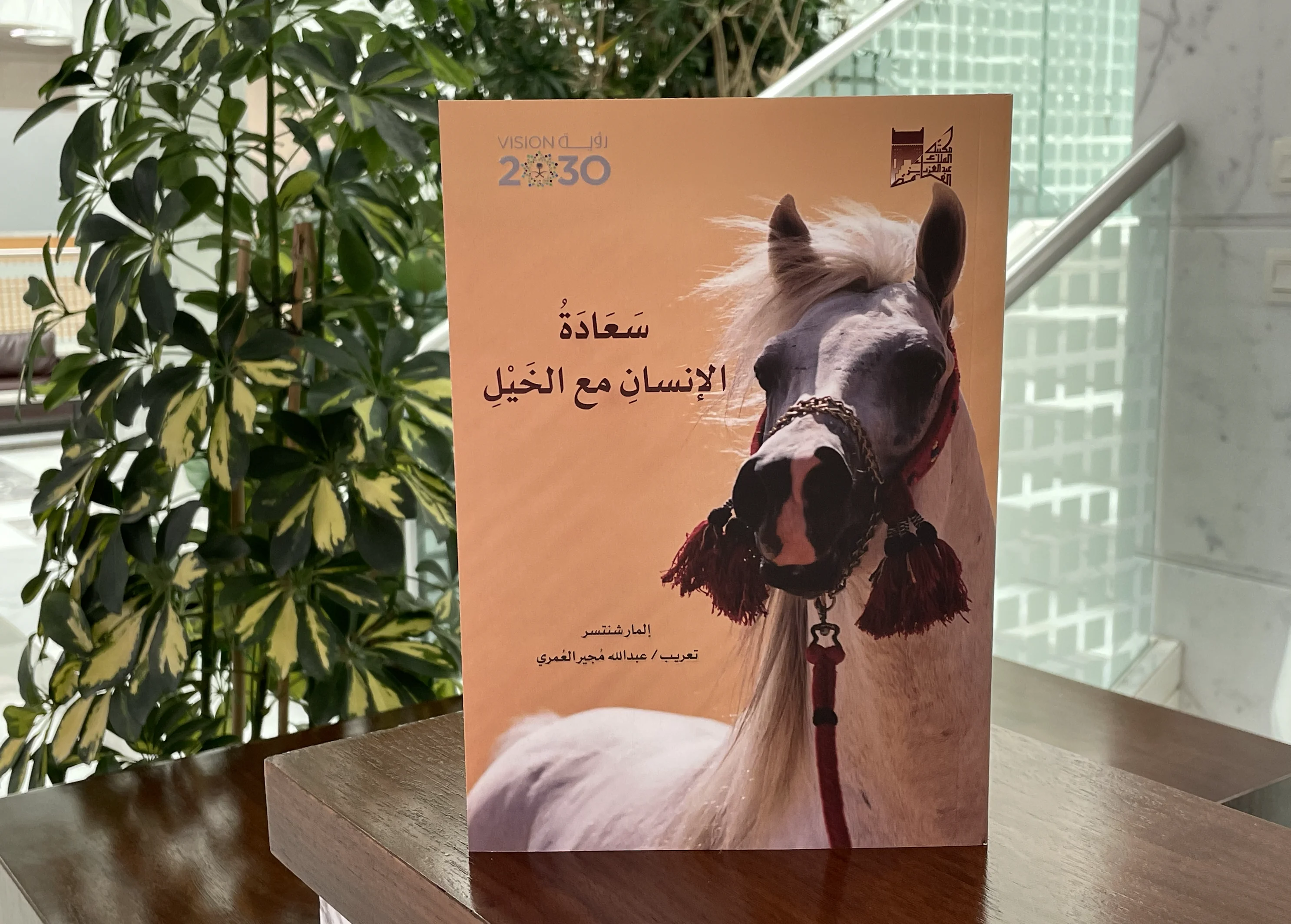
On World Horse Day, the King Abdulaziz Public Library highlights its efforts to document Arabian horse heritage.
On World Horse Day, the King Abdulaziz Public Library highlights its efforts to document Arabian horse heritage.
Read More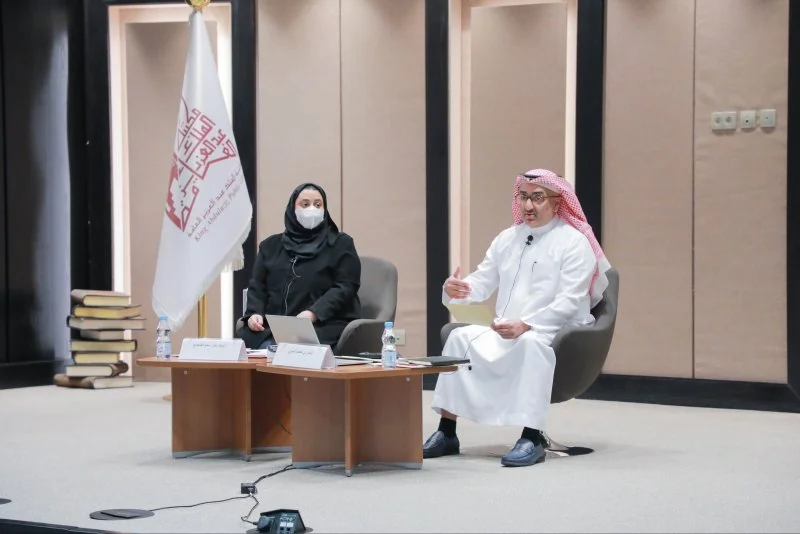
Bandar Al-Harbi discusses transforming events into a national story in a lecture at the King Abdulaziz Library.
Bandar Al-Harbi discusses transforming events into a national story in a lecture at the King Abdulaziz Library.
Read More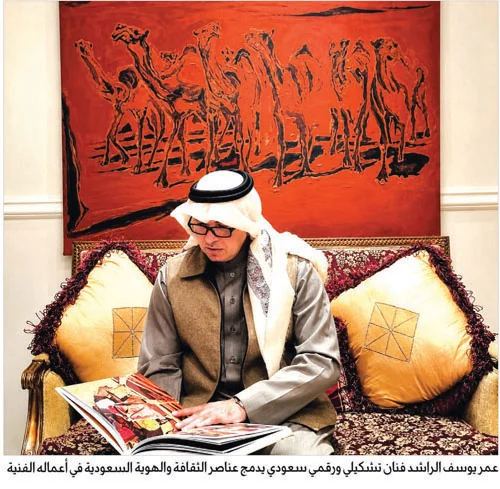
When Camels Become a Language of Beauty... King Abdulaziz Library Explores the Desert’s Memory Through Saudi Art
When Camels Become a Language of Beauty... King Abdulaziz Library Explores the Desert’s Memory Through Saudi Art
Read More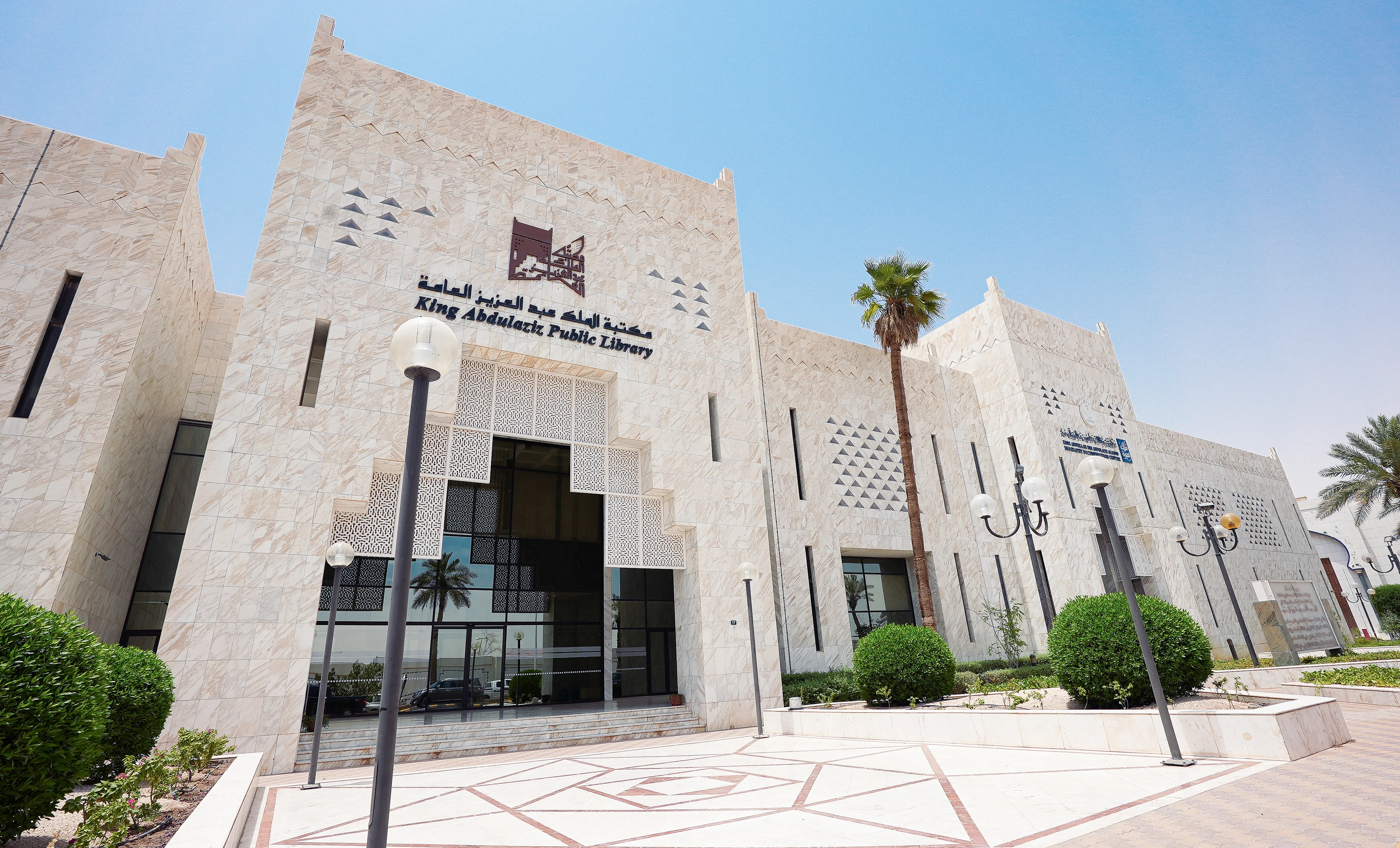
With over 218,000 diverse items, the King Abdulaziz Public Library preserves heritage and renews the national memory.
With over 218,000 diverse items, the King Abdulaziz Public Library preserves heritage and renews the national memory.
Read More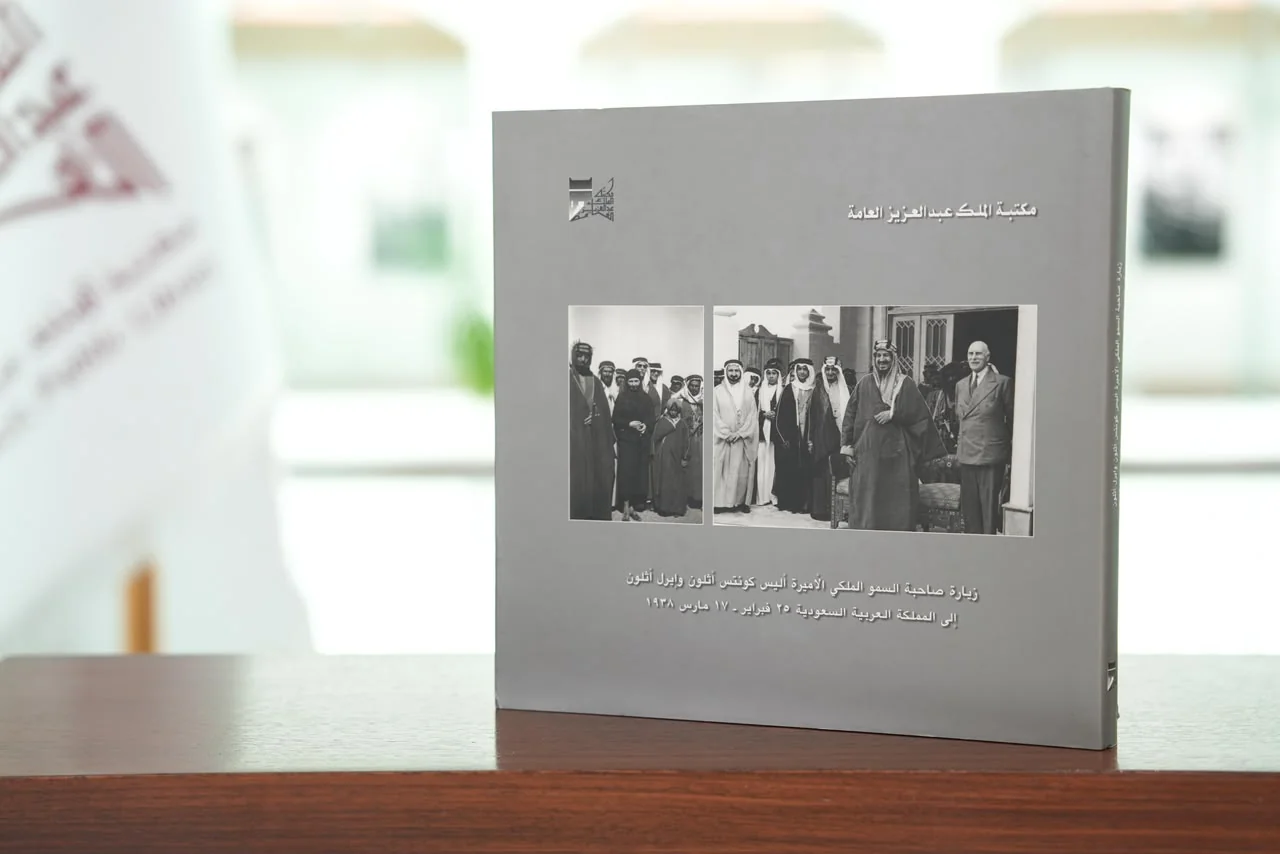
The King Abdulaziz Public Library leads the revival of travel literature and documents the history of the Arabian Peninsula and the Kingdom.
The King Abdulaziz Public Library leads the revival of travel literature and documents the history of the Arabian Peninsula and the Kingdom.
Read More
