
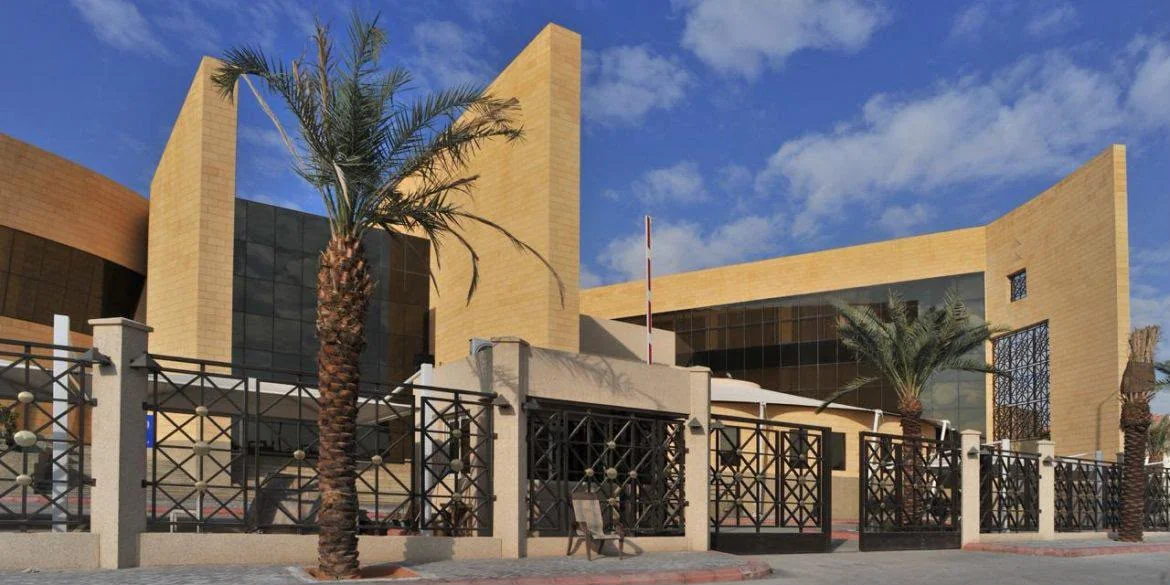
From historical and illustrated books to children's stories, the King Abdulaziz Public Library highlights national identity through its diverse publications.
Since its establishment four decades ago, the King Abdulaziz Public Library has worked through its cultural publications, diverse exhibitions, knowledge programs, activities, and book donations to highlight the national identity of the Kingdom. Its efforts have focused on a broad range of cultural and knowledge-based fields, most notably documenting Saudi history from the establishment of the First Saudi State in 1727 to the present day, including the achievements and transformations of the Second Saudi State, followed by a focus on the era of the founding King, Abdulaziz Al Saud, and the emergence of the Third Saudi State in September 1932. Through its distinctive publications, the library has also highlighted the Kingdom’s comprehensive national vision, which strengthens its position and influential role globally, particularly through the achievements of Saudi Vision 2030 and the civilizational development it has brought across various fields. At the same time, the library draws inspiration from the diverse elements of authentic Saudi culture, reflected on the one hand in the values of history and the desert, and on the other in the values and civilizational achievements of the modern era.
A Rich History
The library has highlighted Saudi Arabia’s rich history, marked by achievements and historical transformations, through a large number of publications dedicated to presenting systematic historical content. Within this framework, it has published 20 illustrated books—among the hundreds of books it has produced—that highlight the Kingdom’s historical identity. These publications include the Comprehensive Encyclopedia of the Kingdom of Saudi Arabia, which consists of 20 volumes and covers all 13 regions of the Kingdom, including their history, geography, archaeological heritage, social and economic life, trade, population, traditional crafts, education, and the various developments witnessed by these regions across different fields.
The book Saudi Arabia, featuring photographs taken by renowned Brazilian photographer Umberto de Silveira, highlights various locations throughout the Kingdom and provides a summary of a photographic archive that tells the story of Saudi Arabia and serves as a visual memory for future generations.
Other publications include Saudi Features and Places; Photographs from the Kingdom of Saudi Arabia (Northern and Western Saudi Arabia); Discover Saudi Arabia, published in English, French, and German; Arabia: Garden of Painters; Makkah and Madinah: Rare Photographs; Riyadh: The Old City; Taif: Development, Structure, and Architecture; Al-Hijr in English; Darb Zubaydah, one of the most renowned historic pilgrimage routes, published in English; Horsemanship, published by the library in Arabic and English; Horses and Horsemanship; Origins of Arabian Horses in the Manuscript of Abbas Pasha I; Date Palms in the Kingdom of Saudi Arabia; Traditional Jewelry of the Women of Central Arabia; Saudi Ardah; and many other books.
Between Narrative and Image
The illustrated books published by the library underscore an important dimension of its publishing strategy, as they use both narrative and imagery to portray the Kingdom’s development and highlight its historical scenes and ongoing transformations. These publications explore the Kingdom’s history, heritage, places, popular customs, and folklore.
The library’s publications across its various cultural fields highlight an important knowledge-based approach: careful attention to the details of place, its values, and its heritage throughout the Kingdom. These publications go beyond brief presentations, offering rich material covering information, history, customs, and traditions that distinguish Saudi Arabia, its culture, and its knowledge heritage. In this context, the library published The Camel in Ancient Art, History, and Culture in the Kingdom of Saudi Arabia by Dr. Majid Khan. The library has also devoted attention to folk dances, traditional clothing, and folk tales, publishing Saudi Folk Tales: A Collection of Selected Folk Tales from the Regions of the Kingdom by Dr. Hind bint Turki Al-Sudairi, in two editions, Arabic and English.
New Generations
The library provides various forms of cultural content for children and young people through the Children's Library, a rich collection of stories written specifically for children, and the Children's Club. It also delivers programs and activities remotely through social media and digital platforms, including YouTube, Instagram, Zoom, and Webex. Through these efforts, the library emphasizes the importance of children's culture and encourages young people to discover the cultural elements of their country that strengthen their sense of identity and belonging.
Through the Encyclopedia of the Kingdom of Saudi Arabia for Children and Young People, the library has sought to provide well-documented and comprehensive information about the Kingdom’s history and present, its most important archaeological sites and historical landmarks, Saudi society’s customs and traditions, and the development of its cultural movement.
The knowledge-based experience developed by the King Abdulaziz Public Library reflects the features of the Kingdom’s civilizational transformations. Its cultural strategy is implemented in distinctive ways through its diverse programs and activities, including meetings, forums, exhibitions, and active participations targeting various segments of society. At the same time, it provides scholars and researchers with the resources needed to pursue distinguished and continuous academic research. The library also places significant emphasis on technology and the transformations brought about by the media age, embracing digitalization programs and continually developing communication at both the local and global levels.



Latest New's
View AllStay informed with the latest updates, announcements, and developments from KAPL.
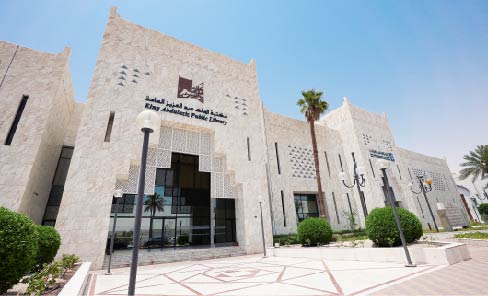
King Abdulaziz Public Library Participates in the International Federation of Library Associations (IFLA 2026) Conference and Exhibition in South Korea
The King Abdulaziz Public Library is participating in the International Federation of Library Associations and Institutions (IFLA) 2026 conference and exhibition—hosted by the city of Busan, South Korea, from August 10 to 13, 2026—as part of its ongoing international presence and its commitment to exchanging expertise and building partnerships with library and knowledge institutions worldwide.
Read More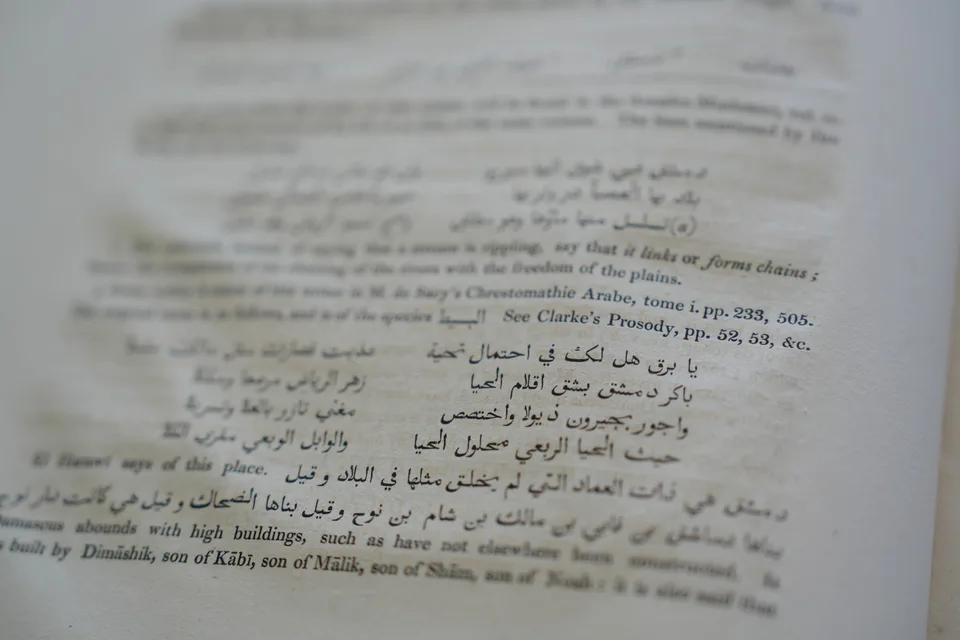
King Abdulaziz Public Library Unveils First Translation of Ibn Battuta’s Travels
King Abdulaziz Public Library in Riyadh has revealed that it has acquired a rare copy of the first printed and widely known English translation of Ibn Battuta’s travels, published 197 years ago, specifically on April 27, 1829.
Read More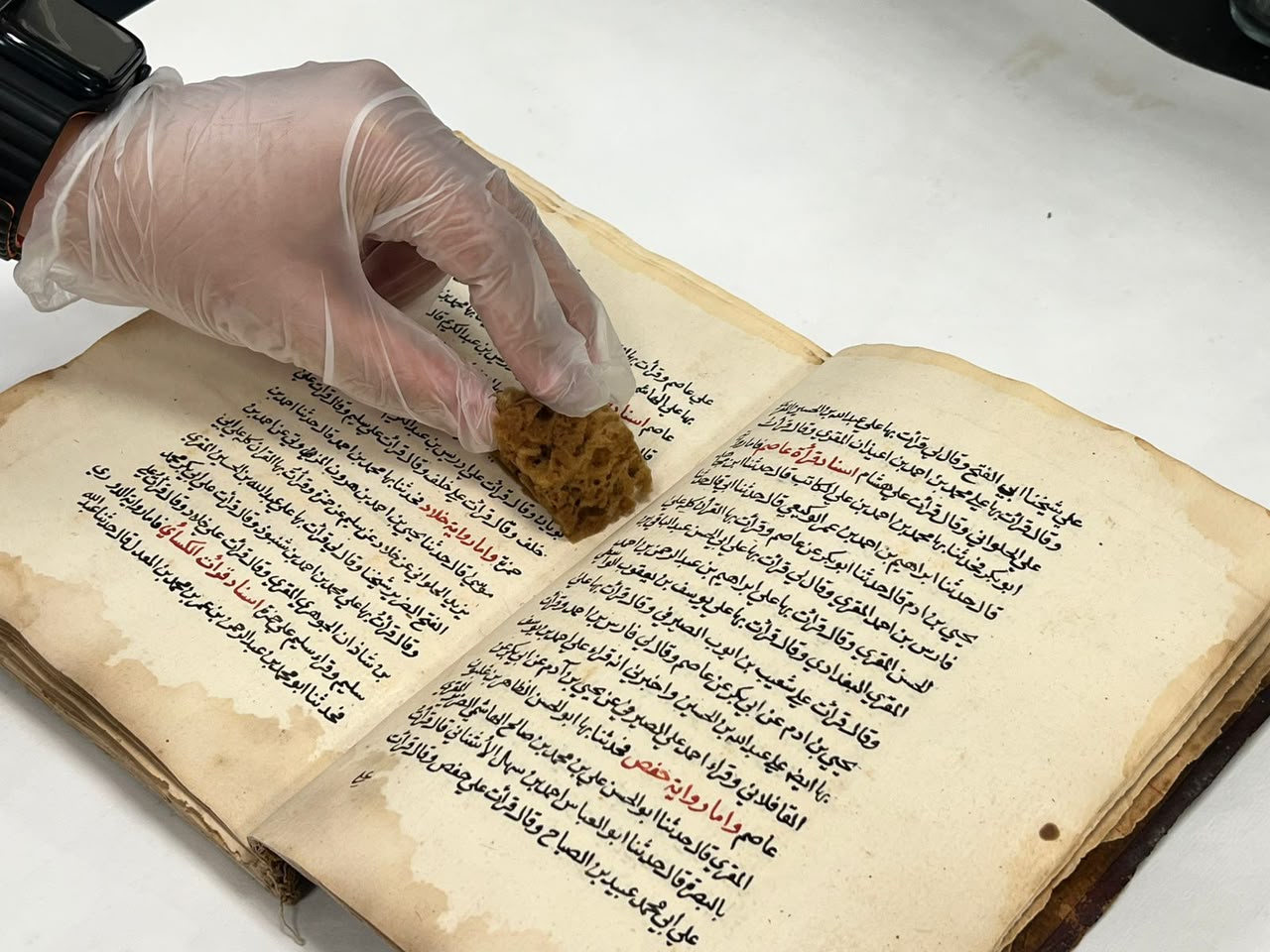
The Restoration Center at the King Abdulaziz Public Library treats over 10,000 cultural heritage items.
The Restoration and Treatment Center at the King Abdulaziz Public Library has achieved a new milestone by restoring and treating over 10,861 items from the library’s collections—including historical photographs, documents, maps, rare books, manuscripts, newspapers, and periodicals. This work was carried out using the latest scientific and professional methods for restoration, treatment, sterilization, and preventive maintenance, thereby helping to preserve these holdings, extend their lifespan, and ensure their sustainability for future generations.
Read More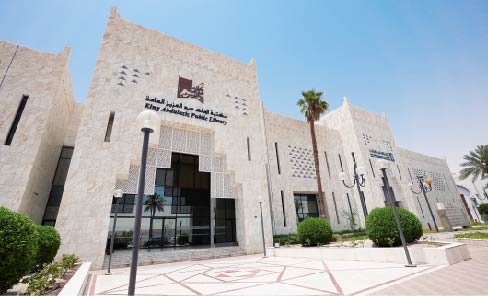
The King Abdulaziz Public Library hosts cultural gatherings and publishes novels for young adults.
The King Abdulaziz Public Library continues to offer diverse cultural and intellectual programs aimed at fostering cultural awareness within the Kingdom, strengthening the cultural elements that bridge heritage and modernity, and showcasing the Kingdom’s cultural identity through activities that promote the presence of national, Arab, Islamic, and global cultures.
Read More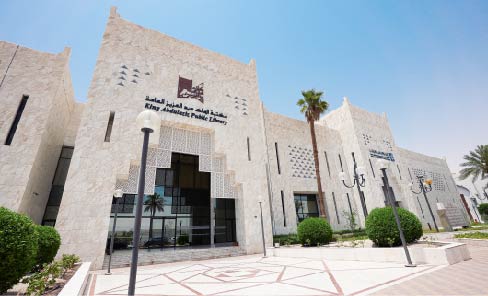
King Abdulaziz Public Library Launches "AI Generation" Summer Camp
The King Abdulaziz Public Library, represented by its General Department for Children, has launched the "AI Generation" summer camp. This distinctive initiative aims to develop the skills of children and youth in the fields of technology, artificial intelligence, and innovation through an educational experience that combines technical, cultural, and recreational elements.
Read More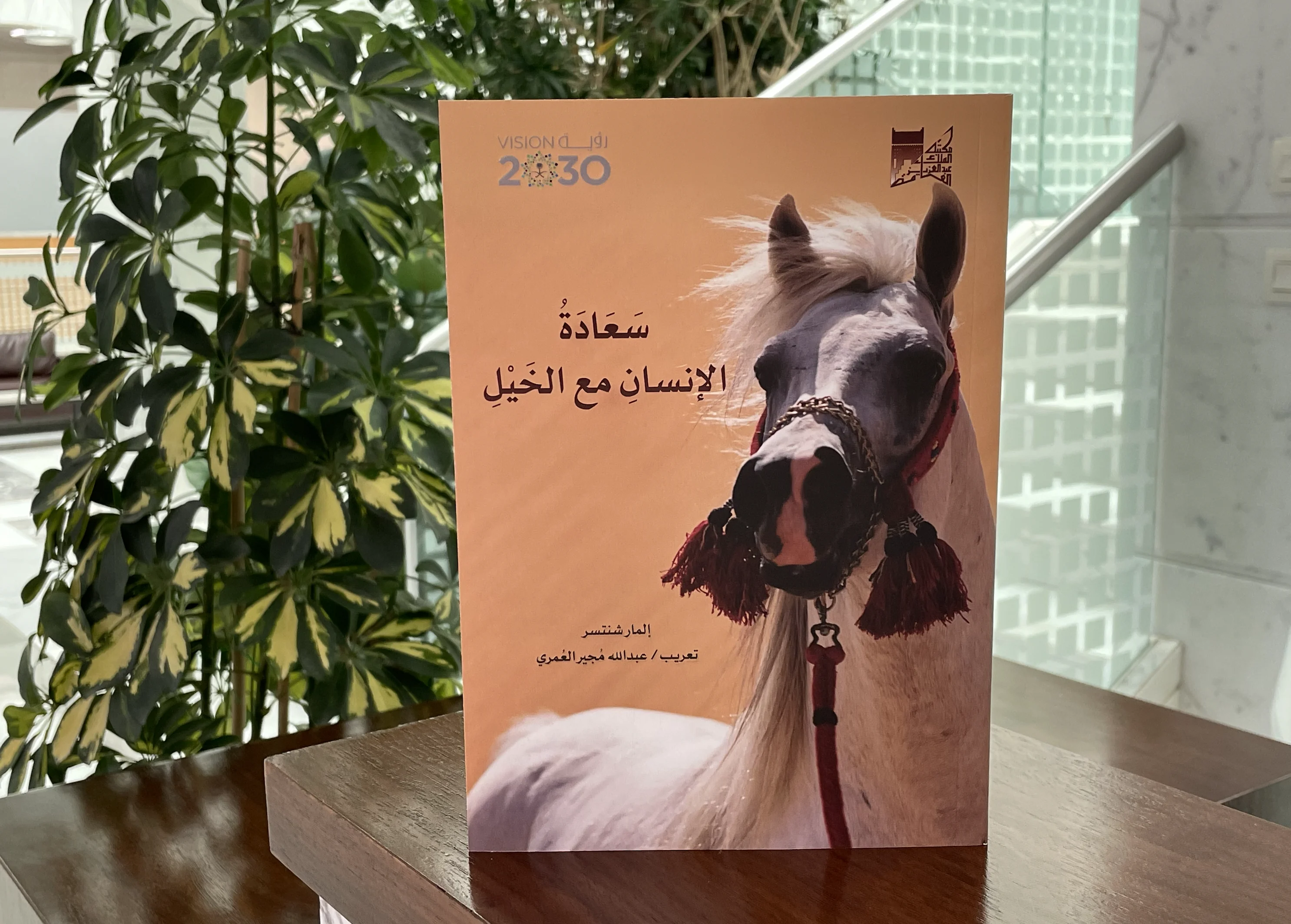
On World Horse Day, the King Abdulaziz Public Library highlights its efforts to document Arabian horse heritage.
On World Horse Day, the King Abdulaziz Public Library highlights its efforts to document Arabian horse heritage.
Read More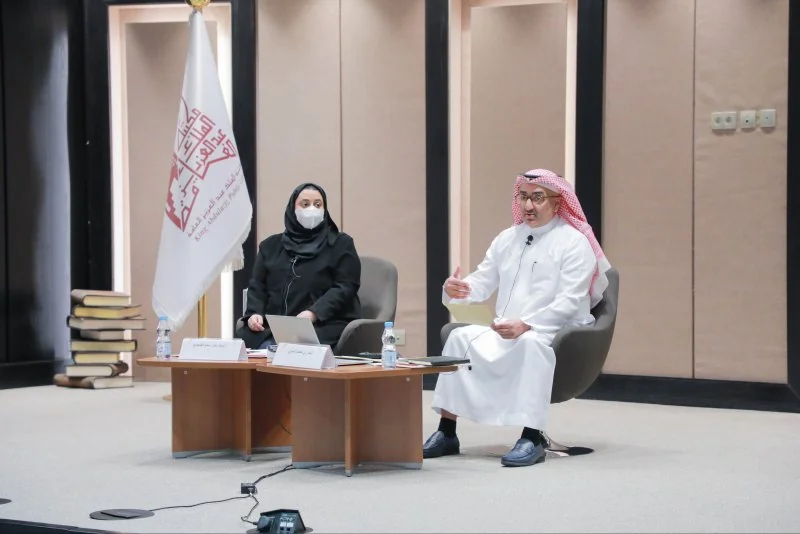
Bandar Al-Harbi discusses transforming events into a national story in a lecture at the King Abdulaziz Library.
Bandar Al-Harbi discusses transforming events into a national story in a lecture at the King Abdulaziz Library.
Read More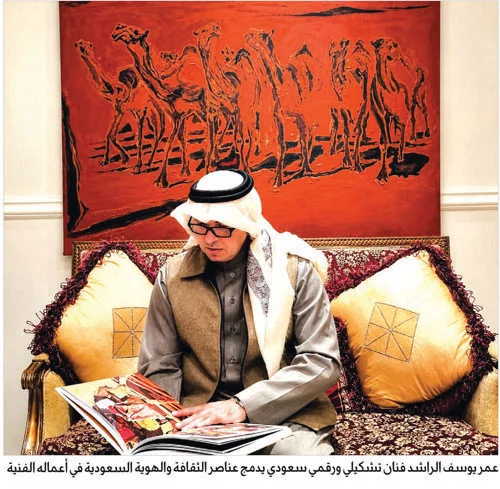
When Camels Become a Language of Beauty... King Abdulaziz Library Explores the Desert’s Memory Through Saudi Art
When Camels Become a Language of Beauty... King Abdulaziz Library Explores the Desert’s Memory Through Saudi Art
Read More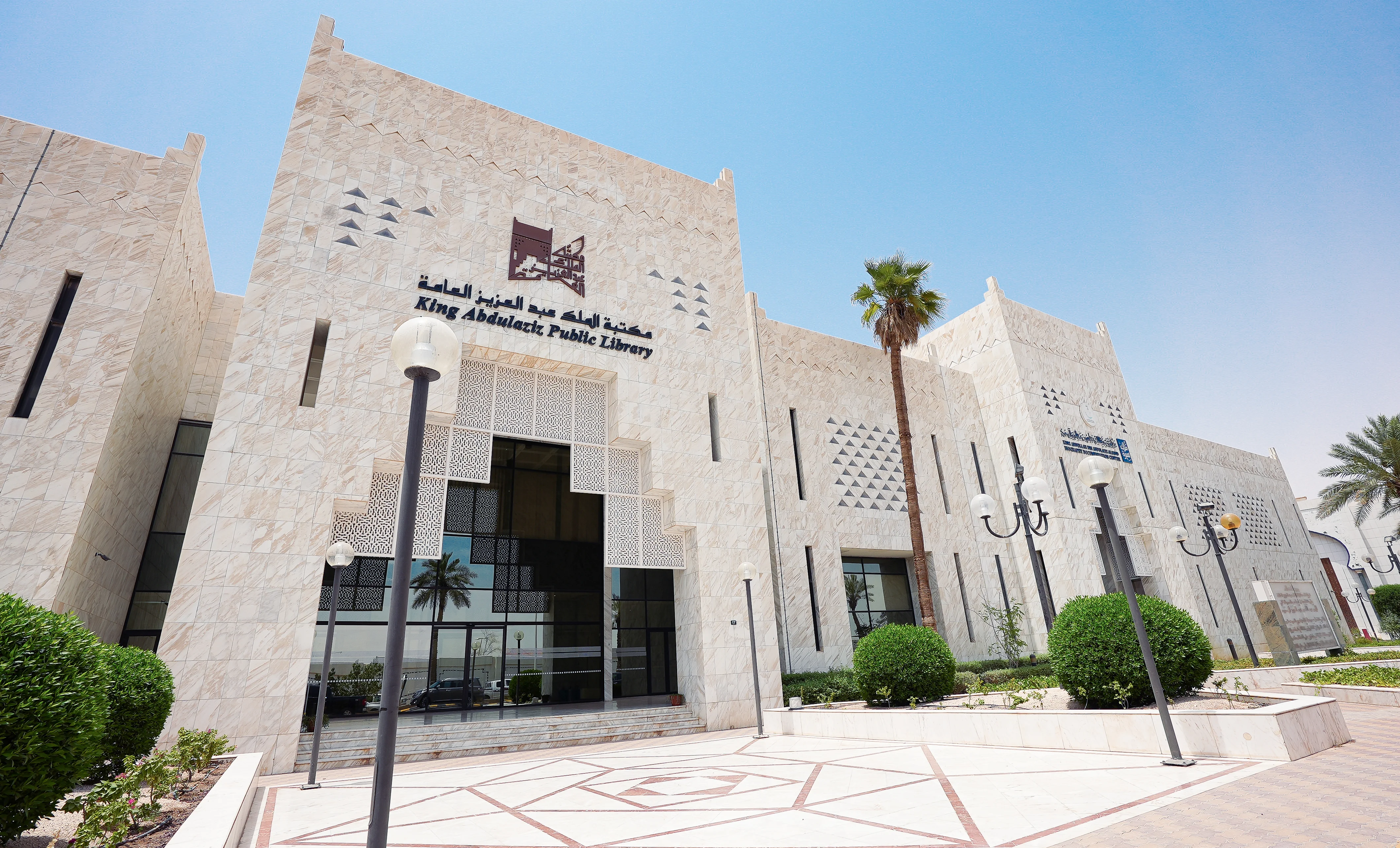
With over 218,000 diverse items, the King Abdulaziz Public Library preserves heritage and renews the national memory.
With over 218,000 diverse items, the King Abdulaziz Public Library preserves heritage and renews the national memory.
Read More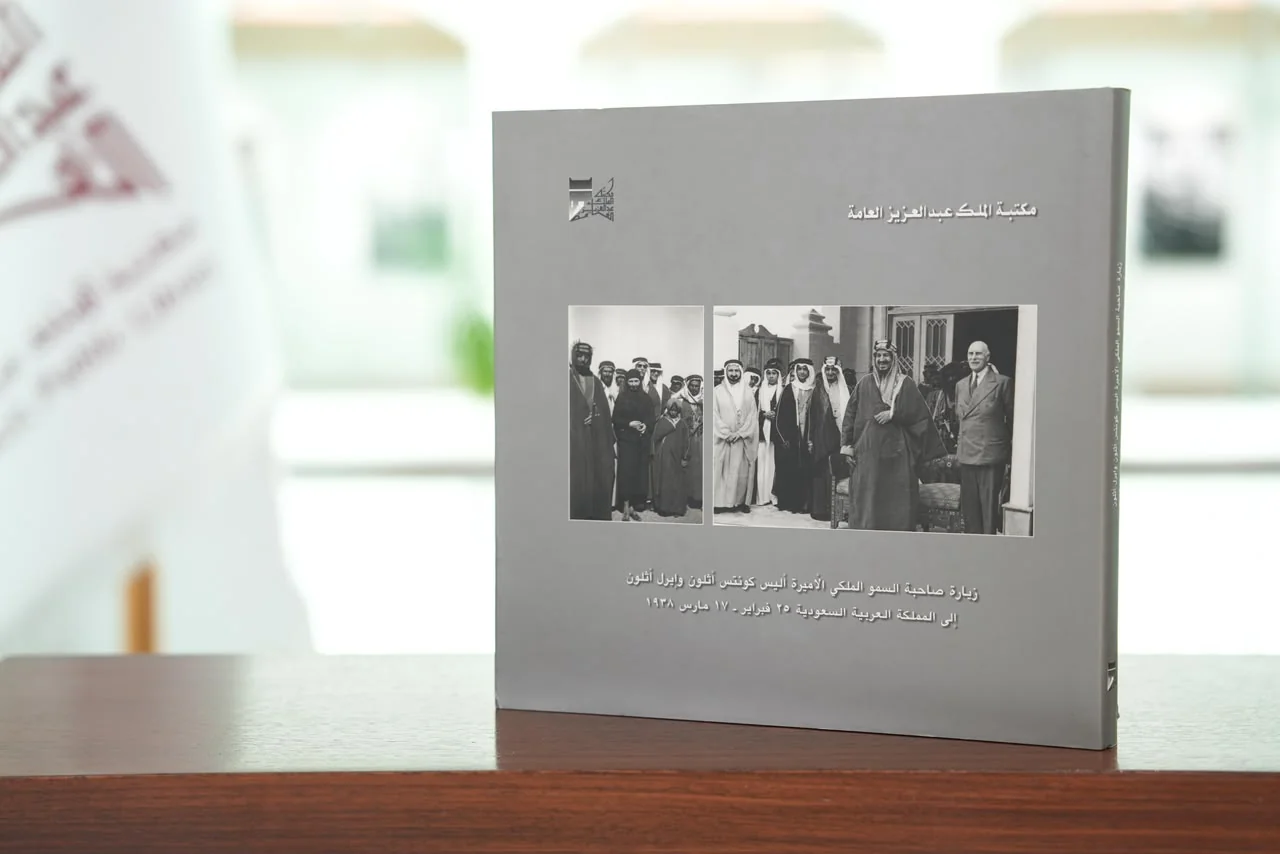
The King Abdulaziz Public Library leads the revival of travel literature and documents the history of the Arabian Peninsula and the Kingdom.
The King Abdulaziz Public Library leads the revival of travel literature and documents the history of the Arabian Peninsula and the Kingdom.
Read More
